
How To
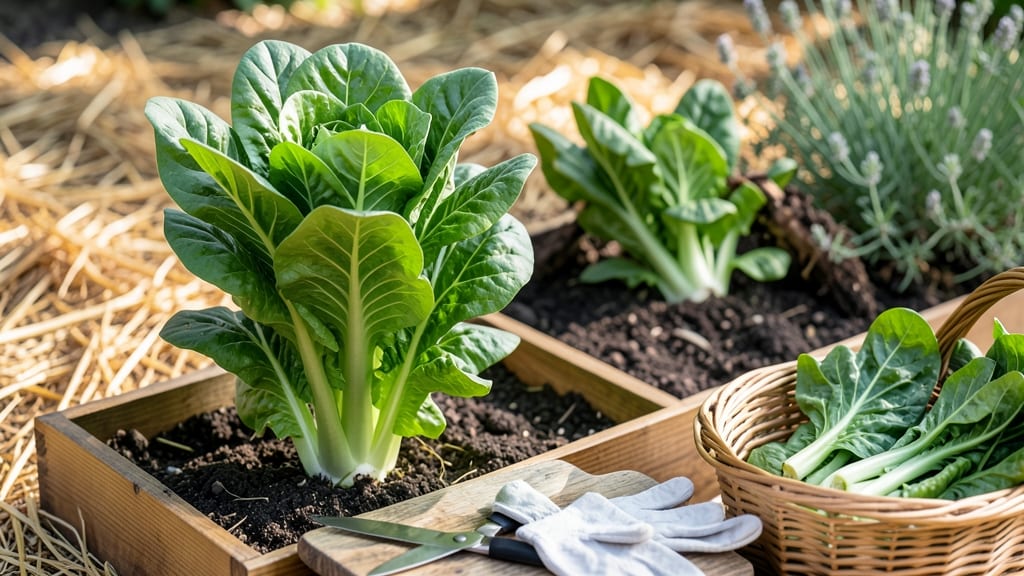
Harvesting romaine lettuce from your garden at the right time and with the right technique ensures crisp stems, sweet flavor, and even regrowth 🥬 — but one wrong cut can ruin everything.
Picture this: you’ve nurtured your romaine for weeks, only to pull it too early and end up with limp, flavorless leaves. Or worse, you wait too long and watch it bolt into bitter stems.
The difference between a perfect harvest and a wasted plant often comes down to knowing when to cut and how to do it.
In this guide, I’ll walk you through the exact signs to look for—leaf size, color, and stem firmness—so you never guess again. You’ll also learn the cut-and-come-again method that lets you harvest multiple times from the same plant, plus post-harvest care tips to keep your romaine thriving.
Whether you’re a first-time gardener or a seasoned green thumb, these steps will help you turn your garden into a steady supply of fresh, crisp romaine—without the frustration.
When to harvest romaine lettuce for crisp stems and optimal flavor
Timing is everything when harvesting romaine lettuce. Cut too early, and you’ll miss out on those crisp stems and robust flavor. Wait too long, and you risk bitterness or bolting.
The ideal window is between 45 and 60 days after sowing, but visual cues matter more than days alone. Pay attention to leaf size, color, and texture to ensure peak harvest quality.
For leaf-by-leaf harvesting, watch for outer leaves reaching 6-8 inches in length while maintaining a deep green hue. This method lets you enjoy multiple harvests from a single plant.
If you prefer a full-head harvest, wait until the entire head feels firm to the touch and the leaves are tightly packed but still pliable. Overlooking these signs often leads to disappointment.
Romaine lettuce is ready for harvest when the leaves are large, crisp, and tightly packed. The stems should be thick but not woody, and the leaves should split easily when gently pulled apart. Avoid harvesting when leaves appear pale, yellowing, or overly leggy—these are signs the plant is stressed or overripe.
| Harvest Method | Key Indicators | Best Time to Harvest | Regrowth Potential |
|---|---|---|---|
| Leaf-by-Leaf | Outer leaves 6-8 inches, deep green, crisp | Every 2-3 weeks, starting at 45 days | High (encourages continuous growth) |
| Full-Head | Tightly packed, firm stems, no bolting | 50-60 days after sowing | Low (plant may decline after harvest) |
| Cut-and-Come-Again | Leaves 4-6 inches, vibrant color | Every 7-10 days, starting at 30 days | Very High (multiple harvests possible) |
One of the biggest mistakes gardeners make is harvesting romaine lettuce during hot afternoons. The heat causes the leaves to wilt quickly, making them less crisp. Instead, harvest in the early morning when temperatures are cool, and the leaves are at their peak freshness.
This also reduces stress on the plant, promoting better regrowth.
Bolting is another common issue that ruins harvests. If your romaine lettuce starts sending up tall flower stalks, it’s already past its prime. To prevent bolting, avoid planting in hot summer months and provide consistent moisture and partial shade during peak heat.
Mulching around the base of the plant helps maintain even soil temperatures.
For the best flavor and texture, focus on harvesting when the leaves are crisp and fresh. Gently squeeze a leaf—if it snaps cleanly, it’s ready. If it bends without resistance, wait a few more days.
Overly mature leaves can become bitter, especially in warmer weather. Always prioritize visual cues over calendar dates for the best results.
If you’re growing romaine lettuce for regrowth, avoid cutting more than one-third of the plant at once. Use clean, sharp pruning shears or a knife to make clean cuts just above a leaf node.
This encourages new growth while minimizing damage to the plant. Post-harvest, water thoroughly and provide light shade to help the plant recover quickly.
In cooler climates, fall harvests often yield the crispiest romaine lettuce. The 45-60 day window still applies, but the slower growth in fall means you might need to extend it slightly.
Always check for firm stems and vibrant color before harvesting, regardless of the season. These are your best indicators of a successful harvest.
Store harvested romaine lettuce in the crisper drawer of your refrigerator to maintain freshness. For whole heads, wrap them loosely in a damp paper towel before sealing in a plastic bag.
Leaf-by-leaf harvests should be stored similarly, but use them within 5-7 days for the best texture. Proper storage ensures your harvest stays crisp and flavorful longer.
Mastering the art of harvesting romaine lettuce takes practice, but with these tips, you’ll enjoy crisp stems and optimal flavor every time. Pay attention to the plant’s signals, harvest at the right time, and give it the care it needs to thrive. Your garden—and your salads—will thank you! 🥬✂️🌱
Step-by-step harvesting techniques to encourage regrowth in romaine lettuce
Harvesting romaine lettuce properly is key to getting multiple harvests from a single plant. The cut-and-come-again method ensures your lettuce keeps producing crisp, flavorful leaves all season long. I’ve learned that using the right technique—like proper cutting angles and sharp tools—makes all the difference in encouraging regrowth.
When harvesting, always use clean, sharp scissors or a knife to avoid damaging the plant. The goal is to cut just above the lowest set of leaves while leaving the inner growth point intact.
This allows the plant to regenerate new leaves. I’ve found that harvesting in the morning gives me the freshest leaves and reduces stress on the plant.
How to Harvest Romaine Lettuce for Regrowth
- Step 1: Choose the right harvesting tool. Use sharp pruning shears or a clean knife to make precise cuts.
- Step 2: Cut outer leaves first at a 45-degree angle, leaving the inner core intact. This prevents damage to the growing point.
- Step 3: Avoid cutting more than one-third of the plant at once. This ensures the plant has enough energy to regrow.
- Step 4: Harvest in the morning when leaves are crisp and hydrated. This reduces stress on the plant.
- Step 5: After harvesting, water deeply to replenish moisture lost during cutting.
- Step 6: Provide light shade for 1-2 days post-harvest to help the plant recover faster.
- Step 7: Apply a balanced fertilizer (5-10-10) every 4-6 weeks to support regrowth.
After harvesting, your romaine lettuce needs immediate post-harvest care to bounce back. I always water deeply right after cutting to replenish moisture and help the plant recover. Providing light shade for a day or two protects the plant from midday sun stress, which can slow down regrowth.
To maximize regrowth, I recommend adding a layer of compost around the base of the plant. This provides essential nutrients and organic matter that encourage new leaf production. Romaine lettuce is a cut-and-come-again crop, so with proper care, you can expect 3-4 harvests per season from a single planting.
One common mistake I’ve seen is harvesting too much at once. Always leave the inner core of the plant intact to ensure it can regenerate. If you cut too aggressively, the plant may bolt or produce bitter leaves.
Instead, focus on selective harvesting to keep your romaine lettuce productive all season.
With these techniques, you’ll enjoy a steady supply of fresh, crisp romaine lettuce all season long. The key is patience and consistency—harvest little, harvest often, and your lettuce will keep giving you delicious results! 🥬✂️🌱