
Tools
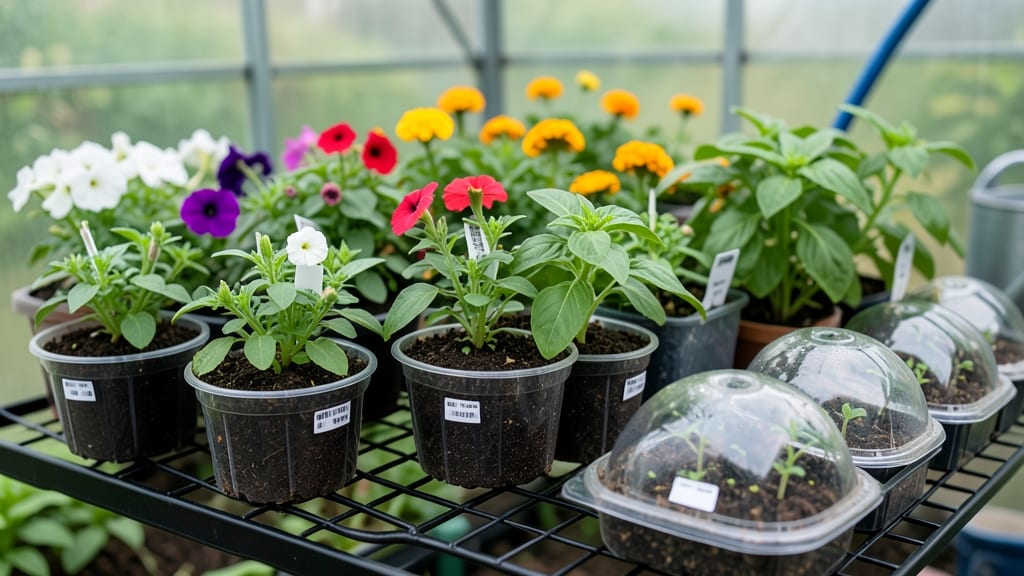
A garden nursery is a specialized facility where young plants, seeds, and gardening supplies are cultivated, sold, and distributed to support both home gardens and professional landscaping projects. These centers offer healthy plant starts, expert gardening advice, and climate-specific varieties to help gardeners succeed.
A garden nursery serves as the foundation for any successful gardening project by providing carefully nurtured plants ready for transplanting. 🌱 These facilities use controlled environments like greenhouses to protect plants from harsh weather, ensuring they develop strong root systems and vibrant foliage before reaching customers.
Whether you're a beginner or an experienced gardener, nurseries offer tailored solutions—from rare heirloom varieties to hardy native species—that thrive in your local growing conditions.
Beyond plant sales, many nurseries provide valuable services like soil testing, pest management consultations, and seasonal workshops to educate customers. This hands-on approach helps gardeners make informed choices, whether they're selecting drought-resistant plants or learning proper pruning techniques.
The expertise available at a nursery can make the difference between a struggling garden and a lush, thriving landscape.
💡 In This Article
- How Garden Nurseries Cultivate Healthy Plants for Optimal Growth
- Types of Garden Nurseries and Their Specialized Services
How garden nurseries cultivate healthy plants for optimal growth
Garden nurseries employ precise horticultural science to produce vigorous, disease-resistant plants ready for transplanting. The process begins with soil preparation, where nurseries blend organic matter like compost with mineral-rich substrates to create ideal growing conditions.
For example, a well-managed nursery might use a mix of 50% peat moss, 30% perlite, and 20% coconut coir to balance drainage and moisture retention—critical for delicate seedlings.
Controlled environments play a pivotal role in plant development. Greenhouses maintain temperatures between 65-85°F and use automated irrigation systems that deliver 0.5-1 inch of water weekly, depending on plant type. Shade houses filter 30-50% of sunlight to prevent scorching while allowing sufficient light for photosynthesis.
These environments also enable nurseries to propagate plants through cuttings, grafting, or seed germination, each method carefully chosen based on the plant species' needs.
The propagation process enhances plant hardiness by ensuring genetic compatibility and disease resistance. For instance, grafting fruit trees combines the hardy rootstock of one variety with the desirable fruit-bearing scion of another. This technique produces trees that yield better-quality fruit while surviving local pests and weather conditions.
Nurseries also use sterile growing mediums and biological pest control (like ladybugs for aphids) to prevent chemical residues that could harm new plants.
Nurseries monitor plant health through regular inspections for signs of stress, such as yellowing leaves or stunted growth. They adjust care routines based on these observations—like increasing humidity for tropical plants or reducing water for succulents.
This meticulous attention ensures that each plant sold has a strong root system and vibrant foliage, ready to thrive in home gardens or landscapes.
Seasonal timing is another critical factor. Nurseries strategically time plantings to align with local growing seasons, often using cold frames or row covers to extend the growing period.
For example, a nursery in Zone 5 might start cool-season crops like broccoli in early spring under protective covers, ensuring they're ready for transplant by late May. This precision reduces transplant shock and maximizes success rates for gardeners.
Beyond physical care, nurseries often provide post-sale support, such as care guides or follow-up consultations. This holistic approach ensures gardeners have the knowledge to maintain their new plants, whether it's learning how to prune roses correctly or adjusting watering schedules for drought-tolerant species.
The result? Plants that not only survive but flourish in their new environments.