
Planting
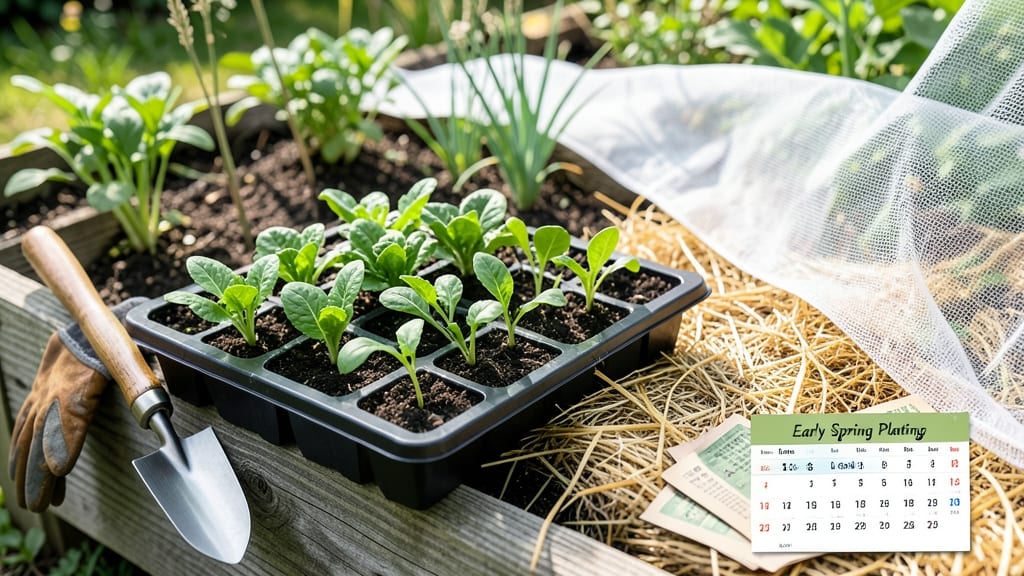
Planting a garden in New Brunswick at the right time can mean the difference between a fast, bountiful harvest and a season of disappointment.
Timing your garden planting in New Brunswick’s USDA Zone 4B can mean the difference between a thriving harvest and a frustrating failure—avoid these critical deadlines at your own risk.
With frost lingering until mid-April and heat arriving by early June, knowing when to start seeds indoors, transplant seedlings, and sow directly in the soil is the key to success. Whether you’re growing cool-season crops like lettuce or heat-loving tomatoes, the timing matters more than you might think.
Below, I break down the exact planting windows for spring and fall, how to adjust for New Brunswick’s microclimates, and the one soil trick that can add weeks to your growing season—no matter where you live in the province.
New Brunswick’s USDA Zone 4B planting deadlines by season
New Brunswick’s USDA Zone 4B presents unique challenges for gardeners, with its short growing season and unpredictable last frost dates (typically around May 15). Getting your planting schedule right ensures you maximize your harvest yield and avoid wasted effort.
Whether you're growing cool-season vegetables, warm-season crops, or perennial flowers, timing is everything.
In Zone 4B, the average frost-free period lasts just 150 days, so planning ahead is critical. Early spring planting should begin indoors in March for heat-loving plants like tomatoes and peppers, while hardy kale and spinach can go straight into the garden as soon as soil is workable.
Fall planting offers a second chance for cool-season crops like broccoli and carrots, but don’t wait too late—first frost usually arrives by October 15.
Below is your month-by-month planting guide for New Brunswick’s Zone 4B, including soil temperature requirements, ideal transplant windows, and last-minute adjustments for microclimates. Use this as your roadmap to a bountiful garden!
For warm-season vegetables like tomatoes and peppers, always wait until the soil reaches at least 12°C (54°F) before transplanting outdoors. In Zone 4B, this usually aligns with late May to early June.
If you’re eager to get a head start, use black plastic mulch or row covers to warm the soil faster and protect young plants from late frosts.
Don’t overlook succession planting—this technique lets you stretch your harvest by sowing radishes, lettuce, or bush beans every 2-3 weeks throughout the summer. It’s especially useful in Zone 4B, where the growing season is short.
For example, plant a quick-maturing radish variety every 10 days from May through July to enjoy fresh harvests all season.
When it comes to flowers and perennials, early spring is the best time to plant bulbs like tulips and daffodils (late March to April), while hardy perennials such as con
How to adjust planting times for New Brunswick’s microclimates
New Brunswick’s diverse landscapes create unique microclimates that can shift your planting schedule by weeks. Coastal areas like Saint John enjoy milder springs, while inland regions near Fredericton face earlier frosts.
Even urban gardens in Moncton can experience heat islands that delay frost. Understanding these variations lets you fine-tune your planting for the best results.
Urban gardens often warm up faster due to concrete and buildings, allowing you to plant warm-season crops like tomatoes and peppers 2 weeks earlier than rural areas. Meanwhile, coastal gardens benefit from the Gulf Stream’s moderating influence, extending your growing season by 3-4 weeks compared to inland spots.
These differences mean your neighbor’s perfect timing might not work for your plot.
To extend your growing season, row covers can add 2-4°C to soil temperatures, letting you plant spinach and kale 3 weeks earlier in spring or harvest pumpkins 2 weeks later in fall.
For high-value crops like strawberries or blueberries, consider cold frames which can keep roots protected down to -10°C. These tools are especially valuable in Zone 4B’s short growing season.
Succession planting works differently across microclimates too. In coastal Saint John, you might sow lettuce every 10 days from April to September, while inland gardeners should space plantings 14 days apart.
For bush beans or zucchini, this means starting your first batch on May 15 in coastal areas but waiting until June 1 inland. Timing is everything for avoiding gluts or shortages.
Monitor local frost dates from Environment Canada’s alerts, but adjust by 1-2 weeks based on your microclimate. For example, if the official last frost is May 15, coastal gardeners can plant tomatoes on May 1, while inland gardeners should wait until May 15.
These small shifts can mean the difference between a bountiful harvest and a disappointing one.
Don’t forget to test your soil’s warmth with a soil thermometer—most vegetables need at least 10°C (50°F) before planting. In cooler microclimates, use black plastic mulch to raise soil temperatures by 3-5°C. With these adjustments, you’ll maximize your garden’s potential no matter where in New Brunswick you’re growing.