
Advice
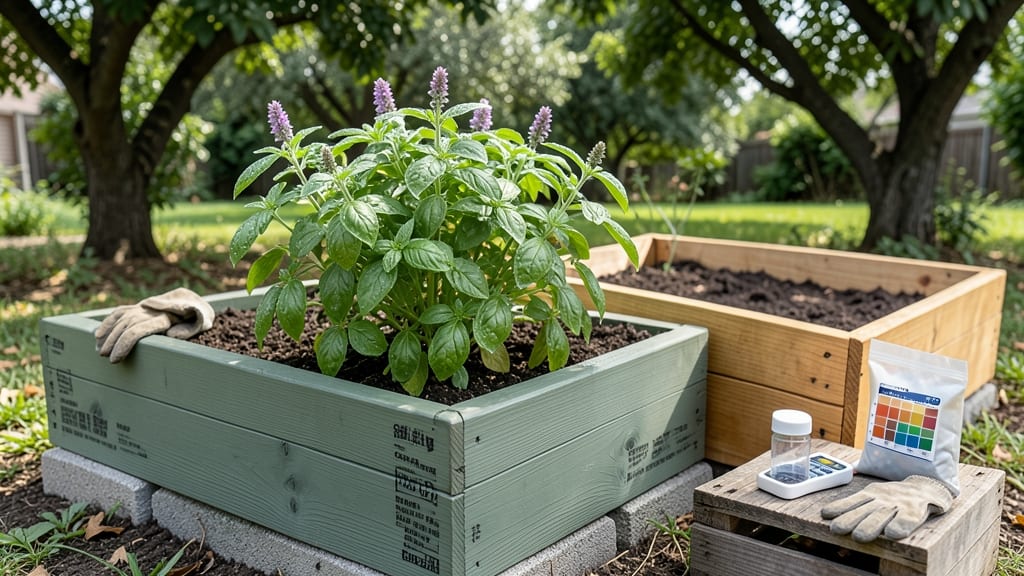
Is treated lumber safe for gardens? No—the chemicals in it, like chromated copper arsenate (CCA) or alkaline copper quaternary (ACQ), can leach into soil and poison plants, pets, and humans over time. Always choose untreated wood or certified plant-safe materials instead.
Most treated lumber contains toxic chemicals designed to resist rot and insects, but these same preservatives pose serious risks to garden ecosystems. 🌱 For example, CCA-treated wood releases arsenic, which accumulates in soil and can stunt plant growth or even kill vegetation over time.
Even newer ACQ treatments contain copper compounds that disrupt beneficial soil microbes, reducing fertility. The problem worsens with moisture—rain or irrigation speeds up chemical leaching, spreading contamination beyond the wood itself.
If you're building raised beds, planters, or garden structures, untreated cedar or redwood are safer natural options that resist rot without harmful additives. For long-term projects, composite lumber made from recycled plastics or bamboo offers durability without chemical risks.
Just be sure to check certifications—some "natural" products still contain hidden preservatives.
💡 In This Article
- Chemicals in Treated Lumber and Their Plant Toxicity
- Safe Lumber Alternatives for Garden Projects
Chemicals in treated lumber and their plant toxicity
Most treated lumber contains chemical preservatives designed to extend its lifespan, but these same compounds make it hazardous for garden use. The most common treatment, chromated copper arsenate (CCA), combines chromium, copper, and arsenic—all of which are toxic to plants and soil organisms.
Arsenic, in particular, accumulates in the soil over time, disrupting root growth and nutrient absorption. Studies show that CCA-treated wood can release arsenic at levels high enough to inhibit plant photosynthesis and stunt development, especially in vegetables and herbs that absorb nutrients directly from the soil.
The newer alkaline copper quaternary (ACQ) and micronized copper quaternary (MCQ) treatments replace arsenic with copper compounds, but they still pose risks.
Copper is essential in trace amounts for plants, but excessive levels—like those leaching from treated wood—can cause copper toxicity, leading to brown leaf edges, stunted growth, and even plant death. 🌱 For example, a 2019 study in the Journal of Environmental Quality found that ACQ-treated wood raised copper levels in nearby soil by up to 400% over two years, far exceeding safe thresholds for most garden crops.
Leaching happens fastest in moist conditions, which is why treated lumber in raised beds or planters is especially dangerous. Rainwater and irrigation accelerate the release of these chemicals, spreading contamination beyond the wood itself.
Even if the lumber is buried or buried partially, the chemicals can migrate through soil, affecting nearby plants and even groundwater. The environmental impact isn’t just limited to your garden—these chemicals can harm beneficial insects, earthworms, and soil microbes that maintain healthy ecosystems.
Another critical factor is the long-term degradation of treated wood. Over time, the chemical coatings break down, releasing higher concentrations of toxins into the soil. Unlike natural wood, which decomposes harmlessly, treated lumber becomes a slow-release source of pollutants.
For instance, a 10-year-old CCA-treated fence can still leach arsenic at detectable levels, posing ongoing risks to garden soil fertility and plant health. This is why many municipalities now ban CCA-treated wood in residential gardens and food-growing areas.
If you’ve already used treated lumber in your garden, don’t panic—but take action. Test your soil for elevated copper or arsenic levels using a home kit, and consider replacing contaminated wood with safer alternatives.
For existing structures, you can mitigate risks by lining them with heavy-duty plastic or using barrier fabrics to prevent direct contact between wood and soil. However, the safest approach is to avoid treated lumber entirely and opt for natural, non-toxic materials from the start.