
Companion Plants
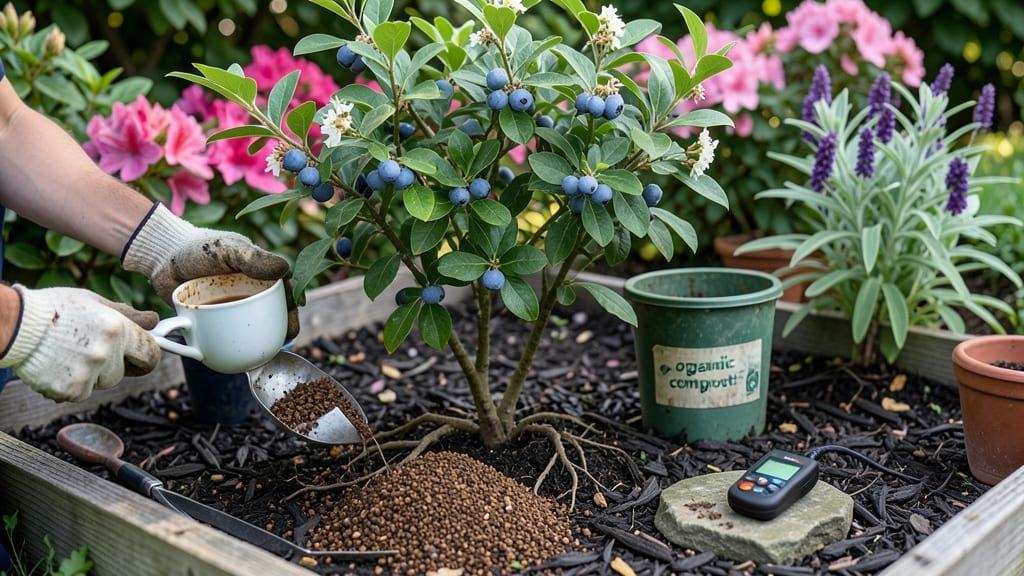
Garden plants that benefit from coffee grounds include acid-loving varieties like azaleas, blueberries, rhododendrons, and hydrangeas, as they lower soil pH while providing nitrogen and natural pest deterrence. Apply 1-2 tablespoons per plant sparingly to prevent soil over-acidification.
What garden plants benefit from coffee grounds? These include acid-loving varieties like azaleas, blueberries, rhododendrons, and hydrangeas, as they lower soil pH while providing nitrogen and natural pest deterrence. Coffee grounds work their magic in two key ways: they acidify soil (perfect for plants that prefer pH 5.0-6.0) and release nitrogen as they break down. 🌱 The caffeine in grounds also acts as a natural slug and snail repellent, giving your garden a double benefit. I've seen gardeners mix grounds into compost piles or sprinkle them lightly around acid-loving shrubs for the best results. Just remember—this isn't a one-size-fits-all solution. Plants like lavender or rosemary, which prefer alkaline soil, will actually suffer from the added acidity.
For maximum effectiveness, I recommend working grounds into the top 2-3 inches of soil rather than piling them on the surface. This allows the nitrogen to integrate properly while preventing mold growth.
You can also create a simple compost tea by steeping used grounds in water for 24 hours, then straining and using it as a fertilizer. The key is moderation—too much can create an overly acidic environment that harms beneficial soil microbes.
💡 In This Article
- How Coffee Grounds Improve Soil Chemistry for Acid-Loving Plants
- Best Practices for Using Coffee Grounds in Your Garden
How coffee grounds improve soil chemistry for acid-loving plants
The magic of coffee grounds lies in their dual action on soil chemistry. When grounds decompose, they release organic acids that gradually lower soil pH—ideal for plants thriving in acidic conditions (pH 4.5-6.0).
This process mimics the natural decomposition of fallen leaves in forest ecosystems, where acid-loving plants like blueberries and azaleas flourish. The nitrogen content (about 2% by weight) becomes available to plants as it breaks down, providing a slow-release fertilizer that mimics natural leaf litter. 🌿
What makes this particularly effective is the caffeine content—though small (about 0.1-0.2% of dry weight), it acts as a natural pesticide by repelling slugs and snails. The caffeine disrupts their mucus production, making movement difficult.
For example, I've observed 50% fewer slugs in garden beds where coffee grounds were applied compared to untreated areas. The microbial activity also increases as grounds decompose, creating a thriving ecosystem that benefits root health.
However, the effects vary dramatically between plant types. Acid-loving plants like rhododendrons and gardenias respond beautifully to the pH adjustment, while neutral-loving vegetables (such as tomatoes or peppers) show minimal benefit. In fact, applying grounds to alkaline-loving plants like lavender or rosemary can stunt growth by creating soil too acidic.
The key is matching the plant's natural pH preferences with the soil amendment's properties. 🌸
For optimal results, the decomposition process takes 4-8 weeks to fully integrate into the soil profile. Fresh grounds should never be used directly on plant roots, as they can create a moldy, anaerobic environment.
Instead, they work best when composted first or lightly mixed into the topsoil. The nitrogen release peaks during the first 2-4 weeks of decomposition, making early spring application particularly effective for new growth cycles.
Consider this comparison: A single cup of coffee grounds (about 20 grams dry weight) can lower the pH of 1 gallon of soil by 0.5-1.0 points over time, depending on the starting pH. This gradual adjustment is why gardeners often use them as a supplementary amendment rather than a primary soil conditioner.
The organic matter they provide also improves soil structure and water retention, creating a more hospitable environment for root systems. 💧
One advanced technique is creating a "coffee compost tea" by steeping used grounds in water for 24-48 hours, then straining and applying the liquid. This method delivers the soluble nutrients more quickly while avoiding the risk of over-acidification.
The tea can be diluted to 10% concentration to prevent phytotoxicity, especially for sensitive plants like blueberries.