
Size
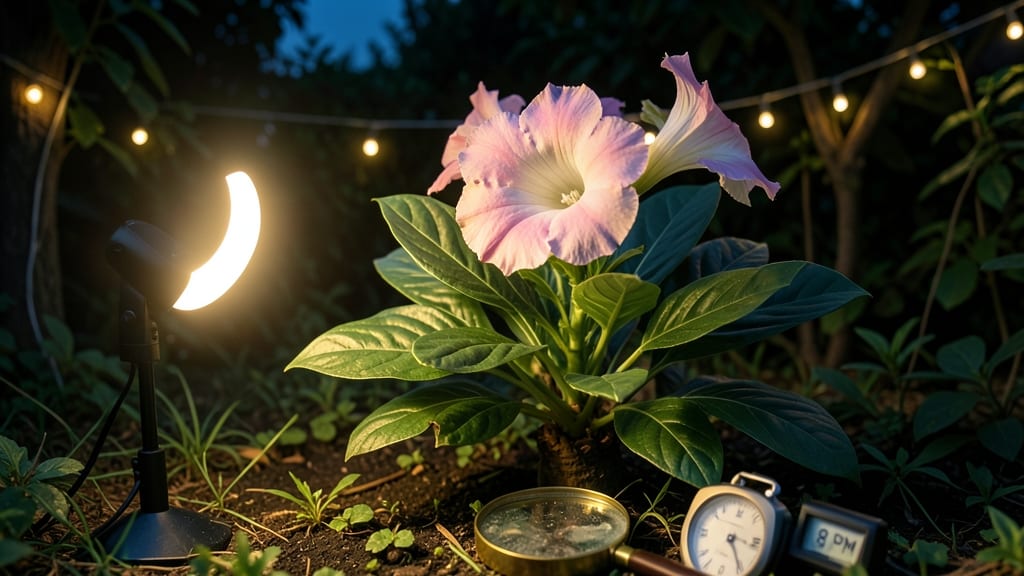
Night owls can grow fast-maturing plants like radishes, leafy greens, bush beans, and cherry tomatoes, which thrive in cooler evening temperatures and deliver quick harvests for impatient gardeners. Opt for varieties with short growing seasons (30-60 days) to enjoy fresh produce without waiting months.
When you're most productive after dark, you can still enjoy a thriving garden by focusing on plants that love the cooler night air. 🌙 These varieties grow quickly because they take advantage of the evening's natural humidity and slower temperature shifts, which reduce stress on young plants.
The key is choosing crops that mature before the heat of summer arrives, giving you a head start on the growing season.
For example, radishes can be ready in as little as 25 days, while leafy greens like spinach or kale take about 30 days to harvest. Bush beans and cherry tomatoes also fit the bill, with varieties that produce fruit in under 60 days.
The trick is to start seeds indoors or use young transplants so they're ready to thrive once the sun goes down.
💡 In This Article
- Why Fast-Maturing Plants Thrive for Night Gardeners
- Top 5 Night-Owl-Friendly Plants for Quick Harvests
Why fast-maturing plants thrive for night gardeners
Cooler evening temperatures actually supercharge the growth of certain plants by slowing their metabolic processes just enough to reduce stress while maintaining optimal photosynthesis.
When daytime heat spikes (often above 85°F), many plants enter a form of dormancy or heat shock, but the drop to 60-70°F at night triggers faster cell division in fast-maturing varieties.
This temperature shift creates what botanists call "thermal time accumulation" - the plant accumulates growth units more efficiently in cooler conditions than in constant high heat.
Evening humidity plays a crucial role too. Night air typically holds 10-20% more moisture than daytime, creating ideal conditions for seed germination and early root development. For example, radish seeds germinate at 90% efficiency in 50-60°F soil with high humidity, compared to just 60% efficiency in hot, dry conditions.
The slower, steadier growth pattern also means fewer resources are wasted on heat defense mechanisms, letting the plant focus on producing edible parts faster. 🌱
Light exposure becomes strategic for night gardeners. Fast-maturing plants like lettuce and spinach actually prefer 12-14 hours of daylight but can complete their life cycle with just 8-10 hours when supplemented with artificial grow lights during evening sessions.
This is why varieties like 'Black Seeded Simpson' lettuce (ready in 30 days) thrive - they've been bred to maximize growth during shorter daylight periods, making them perfect for nighttime tending.
Soil temperature matters just as much as air temperature. Ideal germination temperatures for most fast-maturing crops sit between 60-75°F, which is exactly what you'll find in evening soil. For instance, cherry tomato seeds germinate most reliably at 70°F, while bush bean seeds prefer 65-70°F.
Night gardeners can leverage this by planting seeds directly in garden beds during evening hours when soil temperatures are perfect for germination without the risk of drying out.
What most people don't realize is that these plants also benefit from the natural circadian rhythms of the garden. The daily temperature fluctuations act like a built-in growth regulator, preventing the bolting (premature flowering) that often occurs in constant heat.
This is why radishes and leafy greens stay tender and sweet when grown in nighttime conditions - their development stays perfectly balanced between leaf production and root development. 🌿
For night owls, this means you can actually get a head start on the growing season. Many fast-maturing varieties can be planted 4-6 weeks earlier than traditional schedules because they don't need to endure prolonged heat stress.
The result? Harvests that arrive weeks before your neighbors' gardens even get started, giving you fresh produce when others are still waiting for their seeds to sprout.