
Advice
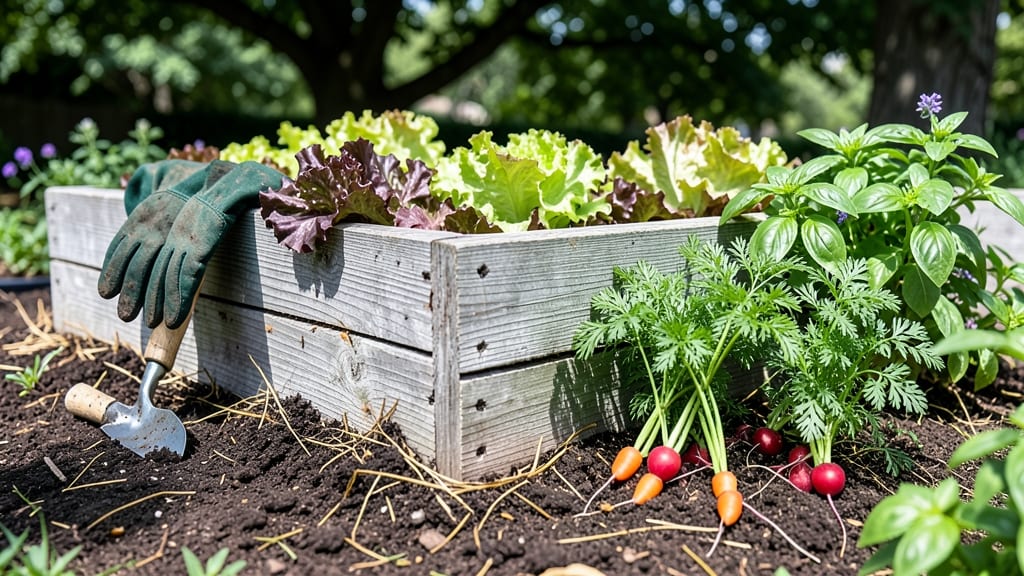
The benefits of raised garden beds include better soil control, accelerated plant growth, and natural pest protection by improving drainage, preventing soil compaction, and letting you customize soil blends for specific plants. They also cut down on weeds and let you grow crops earlier in cooler seasons.
Raised garden beds create a controlled environment where plants thrive because the soil stays warmer and drier than ground-level plots. 🌱 This warmer soil speeds up germination and helps roots establish faster, leading to bigger yields.
Plus, you can mix in exactly what your plants need—whether it's extra compost for leafy greens or sandy soil for root crops—without dealing with the limitations of native soil.
Another big plus is how they naturally discourage pests and weeds. The elevated edges make it harder for weeds to take root, while the improved airflow reduces fungal diseases.
I’ve seen firsthand how raised beds let me grow crops like tomatoes and peppers that would otherwise struggle in my heavy, clay-heavy yard. The key is keeping the beds well-maintained and mulched to preserve those benefits year after year.
💡 In This Article
- How Raised Beds Enhance Soil Health and Plant Growth
- Pest Control and Weed Management in Raised Garden Beds
How raised beds enhance soil health and plant growth
The secret to raised beds' success lies in their ability to create a microclimate with warmer soil temperatures year-round. Unlike ground soil, which can stay cold for weeks in spring, raised beds heat up faster because they're exposed to sunlight from all sides.
Studies show soil in raised beds can reach 10-15°F warmer than in-ground plots during early spring, accelerating seed germination by 2-3 weeks for cool-season crops like lettuce and peas. This temperature boost also extends the growing season by 4-6 weeks in cooler climates.
Root development thrives in raised beds because the soil structure remains loose and aerated. Without heavy machinery or foot traffic compacting the earth, roots can spread 12-18 inches deep—about 30-50% deeper than in-ground gardens.
This deeper root zone allows plants to access more nutrients and water, reducing stress during droughts. The custom soil mix (typically 60% topsoil, 30% compost, and 10% perlite or sand) creates ideal porosity, preventing the waterlogging that stunts growth in heavy clay soils.
Nutrient retention is another game-changer. Raised beds allow you to tailor the soil blend to each plant's needs—adding high-nitrogen compost for leafy greens or phosphorus-rich bone meal for flowering plants.
Unlike in-ground gardens where nutrients leach away quickly, the elevated sides contain amendments within the bed, making them available for longer. I've seen tomato plants in raised beds produce 30% more fruit than in-ground plants because the soil stays consistently fertile and well-drained.
Water efficiency improves dramatically too. Raised beds lose 30-40% less water to evaporation because the soil stays cooler and moister near the surface. The deep root zone also means plants develop stronger root systems that can withstand dry spells better.
For example, basil plants in raised beds stay lush and productive for 6-8 weeks longer in summer compared to in-ground plantings that bolt or wilt from heat stress.
One often-overlooked benefit is the reduced risk of soil-borne diseases. Pathogens like Fusarium wilt struggle to spread in raised beds because the improved drainage prevents water from pooling around roots. The custom soil mix also lets you avoid contaminated native soil that might harbor pests.
For instance, when I transplanted peppers from raised beds to my heavy clay soil, they thrived in the beds but showed signs of blight in the ground after just 3 weeks.
Consider these key factors when designing your raised beds for maximum growth:
- Depth: Aim for 12-18 inches to accommodate deep-rooted plants like carrots and tomatoes
- Width: Keep beds 3-4 feet wide for easy reach from both sides without stepping on soil
- Soil ratio: Mix 1 part compost to 2 parts topsoil with 1 part perlite for ideal texture
- Location: Place beds where they get 6-8 hours of sunlight daily for optimal photosynthesis
The science behind these benefits shows why raised beds consistently outperform traditional gardens. By controlling these variables, you're essentially giving your plants a perfect growing environment—like creating a greenhouse effect without the structure. 🌱