
Planting
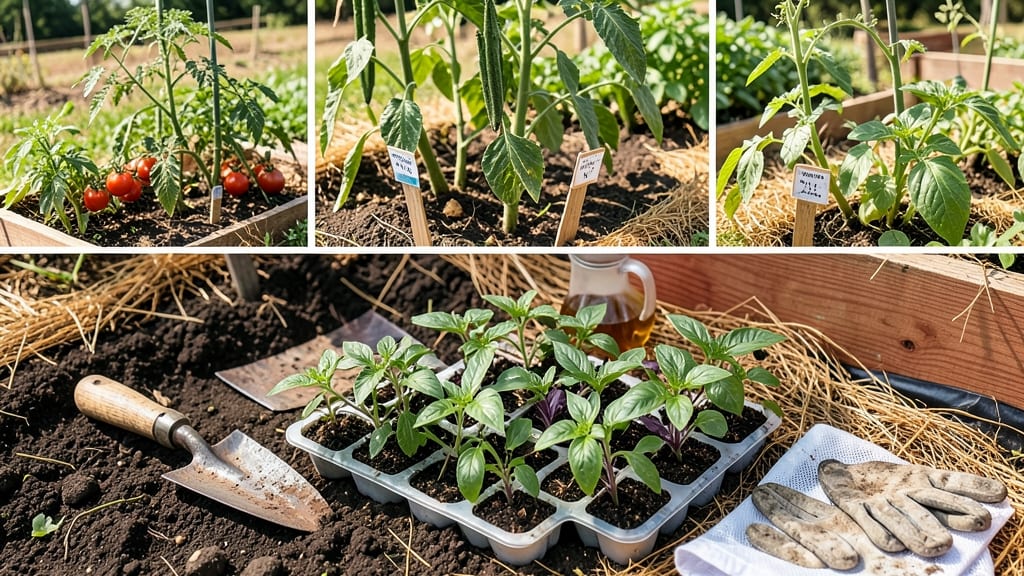
Planting a vegetable garden in Florida requires knowing exactly when to plant each crop—because the wrong timing can turn your hard work into a battle against heat, humidity, or pests.
Florida’s frost-free year-round climate might sound like a gardener’s dream, but it also means your 🥕 garden faces extreme summer heat and relentless pests if you don’t align planting with the seasons. Unlike northern states, there’s no "last frost" to guide you—just temperature thresholds, rainfall patterns, and crop-specific needs.
This guide breaks down the best months to plant in Florida’s three distinct growing seasons, from heat-loving tomatoes to cool-season greens, plus how to adjust for North vs. South Florida’s microclimates.
You’ll learn which crops thrive in Florida’s summer, how to stretch harvests with succession planting, and the one mistake that wipes out entire gardens—so you can grow more with less stress.
Florida planting calendar: best months for vegetables by season
Florida’s frost-free growing season and warm climate create a unique opportunity to grow vegetables year-round—but success depends on understanding your three distinct growing seasons. Unlike northern states, Florida’s spring, summer, and fall each offer ideal conditions for different crops, while winter is limited to cold-hardy varieties in North Florida.
The key is matching heat-tolerant crops to summer months and cool-season staples to milder periods.
For example, tomatoes and peppers thrive in Florida’s spring (March-May) and fall (September-November) when temperatures hover between 70°F and 85°F. Summer’s 90°F+ heat stresses these crops, while okra, sweet potatoes, and southern peas love the intense summer sun.
Meanwhile, leafy greens like lettuce and spinach prefer Florida’s coolest months (December-February) in North Florida or year-round in South Florida’s microclimates.
Below is your Florida vegetable planting calendar, broken down by season with temperature thresholds and regional considerations for North vs. South Florida. Use this as your guide to avoid common mistakes like planting heat-sensitive crops in summer or overlooking Florida’s hurricane season (June-November), which can disrupt planting schedules.
🌱
| Season | Best Planting Months | Ideal Temperature Range (°F) | Top Crops | Florida-Specific Tips |
|---|---|---|---|---|
| Spring | March-May | 65°F-85°F | Tomatoes, Peppers, Eggplant, Okra, Sweet Corn, Green Beans | Start seeds indoors in Feb for early harvests. Use shade cloth in May to protect from heat stress. |
| Summer | June-August | 80°F-95°F | Okra, Sweet Potatoes, Southern Peas, Malabar Spinach, Peanuts, Cucumbers | Mulch heavily to retain moisture. Avoid planting heat-sensitive crops like lettuce. |
| Fall | September-November | 70°F-85°F | Tomatoes, Peppers, Eggplant, Broccoli, Cabbage, Carrots, Beets | Plant transplants in Sept for fall harvests. Use row covers in Oct to extend season. |
| Winter (North FL) | December-February | 50°F-70°F | Leafy Greens (Lettuce, Spinach, Kale), Radishes, Turnips, Collards, Peas | Grow under shade cloth or in protected microclimates. South FL can grow these year-round. |
| Year-Round (South FL) | Any Month | 70°F-90°F | Sweet Potatoes, Okra, Eggplant, Peppers, Tomatoes (with shade), Herbs (Basil, Cilantro) | Leverage microclimates like coastal areas or shaded spots for cool-season crops. |
In North Florida (Zones 8a-9a), winter planting is possible for cool-season crops like lettuce and broccoli, but even these may bolt in January’s occasional light frosts.
Meanwhile, South Florida (Zones 10a-11) enjoys year-round growing, with tropical vegetables like okra and sweet potatoes thriving in summer and heat-tolerant tomatoes producing well under shade cloth.
For succession planting, aim to stagger crops every 2-3 weeks during peak seasons (spring/fall) to ensure a continuous harvest. For instance, plant bush beans every 3 weeks from March to June for a steady supply. In summer, focus on quick-maturing crops like okra (50-60 days) and
Top 5 Florida-friendly vegetables and their ideal planting times
Florida’s unique climate lets you grow vegetables year-round, but some crops thrive better during specific seasons. The top 5 Florida-friendly vegetables—tomatoes, peppers, okra, collards, and sweet potatoes—are hardy, productive, and perfect for Florida’s heat and humidity.
Each has ideal planting windows to maximize yields while avoiding stress from extreme temperatures.
Unlike northern gardens, Florida’s frost-free growing season means you can plant almost anytime, but timing still matters. For example, tomatoes and peppers love summer’s heat, while collards and lettuce prefer cooler fall and winter months.
Below, I’ll share the best months to plant these powerhouse crops, plus Florida-specific tips to keep them thriving.
Best planted: February–March (spring) and August–September (fall). Avoid summer planting—the heat causes blossom drop.
Best planted: March–April (spring) and July–August (summer). They handle heat better than tomatoes but need consistent moisture.
Best planted: April–June (summer). This drought-tolerant crop loves Florida’s heat and produces prolifically with minimal care.
Best planted: August–September (fall) and January–February (winter). They thrive in cooler weather and handle Florida’s mild winters well.
Best planted: March–April (spring). They need warm soil to germinate, so avoid planting until temperatures stay above 70°F.
For tomatoes and peppers, focus on spring and fall plantings to avoid the brutal summer heat. Start seeds indoors 6–8 weeks before the last frost (though Florida rarely has frost, timing still matters for transplant shock). Use mulch to keep roots cool and retain moisture—critical in Florida’s sandy soil.
Okra is a summer superstar, but it also benefits from succession planting every 2–3 weeks from April to June. This ensures a steady harvest before the heat becomes overwhelming. In contrast, collards are a winter staple. Plant them in late summer for a fall harvest, then again in early spring for a second crop before summer’s intensity sets in.
Don’t overlook sweet potatoes, which are perfect for Florida’s climate. Plant slips (young plants) in well-draining, sandy soil after the last frost risk (usually by March). They’ll thrive with minimal care, producing sweet, starchy tubers that store well for months.
For all these crops, fertilize lightly with compost or a balanced 10-10-10 mix to avoid excessive leafy growth at the expense of fruit.
Pro tip: Use shade cloth in peak summer (June–August) for heat-sensitive crops like tomatoes and peppers. This simple trick can boost yields by 30–50% by reducing stress.
Pair it with drip irrigation to keep roots moist without wetting foliage, which minimizes fungal diseases like early blight—a common issue in Florida’s humidity.
With these Florida-friendly vegetables and their ideal planting times, you’ll enjoy a bountiful garden year-round. Start with just one or two crops to master the timing, then expand as you gain confidence. Happy growing!