
Planting
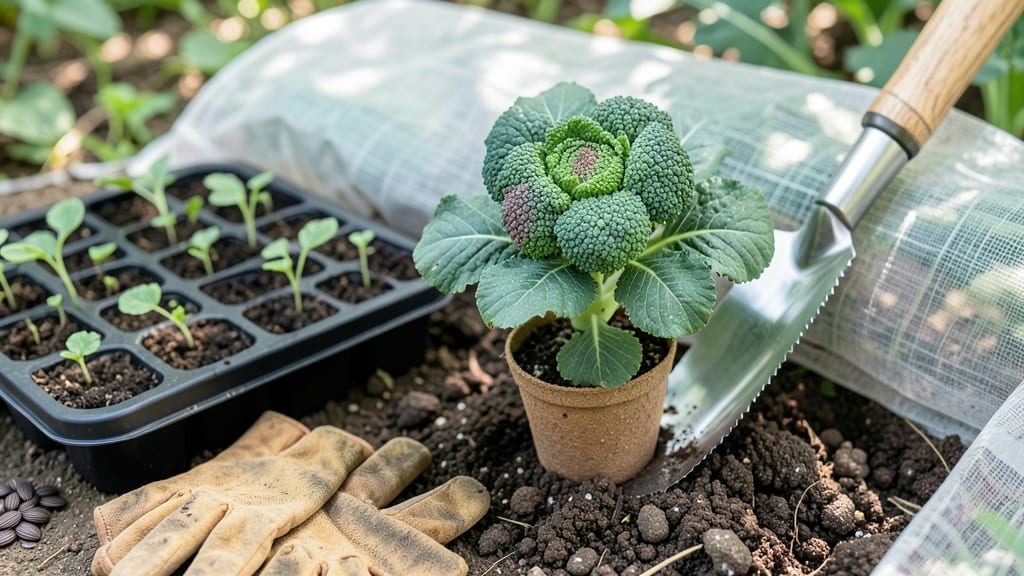
Planting a vegetable garden in Northern California at the right time means the difference between a bountiful harvest and a sad, wilted disappointment — and your local microclimate dictates the schedule.
Northern California’s diverse microclimates—from coastal fog to inland heat—mean your vegetable garden’s success hinges on planting at the perfect time. Get the wrong timing, and your tomatoes could bolt in June or your lettuce wilt in September. But with the right schedule, you can enjoy fresh harvests year-round.
If you’ve ever stared at a seed packet wondering, "When exactly should I plant this?" while the weather forecast seems to change daily, you’re not alone.
The key lies in understanding your specific region—whether you’re in the chilly Bay Area, the hot Central Valley, or the cooler Sierra foothills—and adjusting your planting windows accordingly.
In this guide, I’ll break down the exact planting windows for your microclimate, including when to start seeds indoors, when to transplant, and how to extend your growing season for continuous harvests. No more guessing—just a clear, actionable plan tailored to where you live.
Northern California planting zones: when to start seeds vs. transplants by region
Northern California’s diverse planting zones create unique challenges for gardeners. The San Francisco Bay Area (USDA Zone 8b-9a) enjoys milder winters, while the Central Valley (Zone 9a-10a) bakes under summer heat, and the Sierra foothills (Zone 7b-8a) face earlier frosts.
These differences mean your tomato seeds might thrive in Sacramento but bolt in Santa Rosa if planted at the wrong time.
Understanding last spring frost dates and first fall frosts is critical. Coastal areas like San Francisco average March 15 for last frost, while inland cities like Sacramento see theirs around March 1. The Sierra foothills can experience frost as late as April 15, delaying warm-season planting by weeks.
Cool-season crops like broccoli or kale thrive in these cooler zones but need protection in heat-prone areas.
| Region | Last Spring Frost | First Fall Frost | Warm-Season Start (Seeds) | Warm-Season Transplant | Cool-Season Planting |
|---|---|---|---|---|---|
| San Francisco Bay Area (Zone 8b-9a) | March 15 | November 1 | April 15-May 1 | April 1-April 30 | August 15-September 15 |
| Central Valley (Sacramento, Zone 9a-10a) | March 1 | October 31 | March 15-April 1 | February 15-March 15 | July 15-August 15 |
| Sierra Foothills (Chico, Zone 7b-8a) | April 15 | October 15 | May 1-June 1 | May 1-May 15 | July 1-August 1 |
For warm-season crops like tomatoes and peppers, timing is everything. In the Bay Area, start seeds indoors by April 15 for transplanting after the last frost. Inland areas can begin two weeks earlier, while the Sierra foothills should wait until May 1 to avoid frost damage.
Use row covers to extend seasons in cooler zones.
Cool-season crops like lettuce and broccoli have different rules. Plant them in late summer (August) for fall harvests, but avoid planting too early in hot zones like Sacramento.
The Central Valley's heat can cause bolting in spinach or radishes, so opt for heat-tolerant varieties like 'Florence Everbearing' spinach or plant in partial shade.
Microclimates within regions add complexity. Urban heat islands in Sacramento can be 5-10°F warmer than rural areas, while coastal fog belts near Half Moon Bay create cooler pockets. Adjust planting dates by 1-2 weeks based on your specific location's soil temperature and sun exposure.
A soil thermometer ($10 at garden centers) is your best friend for tracking readiness.
Transplants often outperform seeds in Northern California's short growing seasons. For tomatoes and peppers, buy 6-week-old seedlings from nurseries in early spring. Hardy transplants like cabbage or brussels sprouts can handle cooler soils, giving you a 2-week head start over seeds.
Just avoid transplant shock by watering deeply before and after planting.
Frost-sensitive plants like eggplants and okra need special attention. In Zone 9a areas, plant them after May 15 and use black plastic mulch to warm soil faster. For Zone 7b regions, consider container gardening to move plants indoors before October 15.
My Sierra foothills garden uses 5-gallon pots for peppers, letting me bring them under a hoop house when nights cool.
Don't forget about succession planting! In the Bay Area, you can squeeze in two
Year-round planting calendar: month-by-month schedule for Northern California gardens
Northern California’s microclimates create unique growing windows—coastal areas stay cooler longer, while inland zones like the Central Valley warm up faster. This calendar aligns planting with your local frost dates and soil temperatures, ensuring continuous harvests from January through December.
For coastal gardens (e.g., San Francisco), adjust timelines 2–4 weeks later than inland areas.
Use this guide as a starting point, but always check soil temperatures (ideal: 60°F+ for warm-season crops) and monitor local frost predictions from UC Master Gardener programs. Succession planting—sowing seeds every 2–3 weeks—maximizes yields for crops like lettuce and radishes, while row covers extend seasons by 4–6 weeks in both spring and fall.
| Month | Action | Coastal (SF) | Central Valley (Sac) | Notes |
|---|---|---|---|---|
| January | Direct Sow | Peas, spinach, kale | Lettuce, carrots, onions | Use row covers for frost protection |
| March | Transplant | Broccoli, cabbage | Tomato starts, peppers | Harden off transplants gradually |
| May | Direct Sow | Beans, cucumbers | Okra, sweet potatoes | Mulch to retain moisture |
| July | Succession Plant | Lettuce, radishes | Green onions, arugula | Shade cloth for heat-sensitive crops |
| September | Transplant | Kale, Brussels sprouts | Cabbage, cauliflower | Fertilize with compost for fall growth |
| November | Direct Sow | Garlic, winter wheat | Spinach, peas | Plant heirloom varieties for early spring harvests |
For container gardening, prioritize fast-maturing crops like bush beans (50 days) and radishes (25 days) in 5-gallon pots. Coastal gardeners can grow winter squash and peppers year-round in greenhouses, while inland areas benefit from drip irrigation to conserve water during summer heat.
Always rotate crops annually to prevent soil depletion.
Extend your harvest season with season extenders like cold frames (adds 4–6 weeks of growing time) or low tunnels (protects from light frosts).
In USDA Zone 9b (e.g., Sacramento), you can grow tomatoes and peppers year-round with minimal protection, while coastal Zone 8b areas (e.g., Santa Cruz) may need row covers until May.
Track your garden’s progress with a planting journal, noting when you sow seeds, transplant, and harvest. Adjust timelines yearly based on your observations—some years, spring frosts arrive later, giving you extra weeks for warm-season crops. With this calendar and a little flexibility, your Northern California garden