
Container Gardens
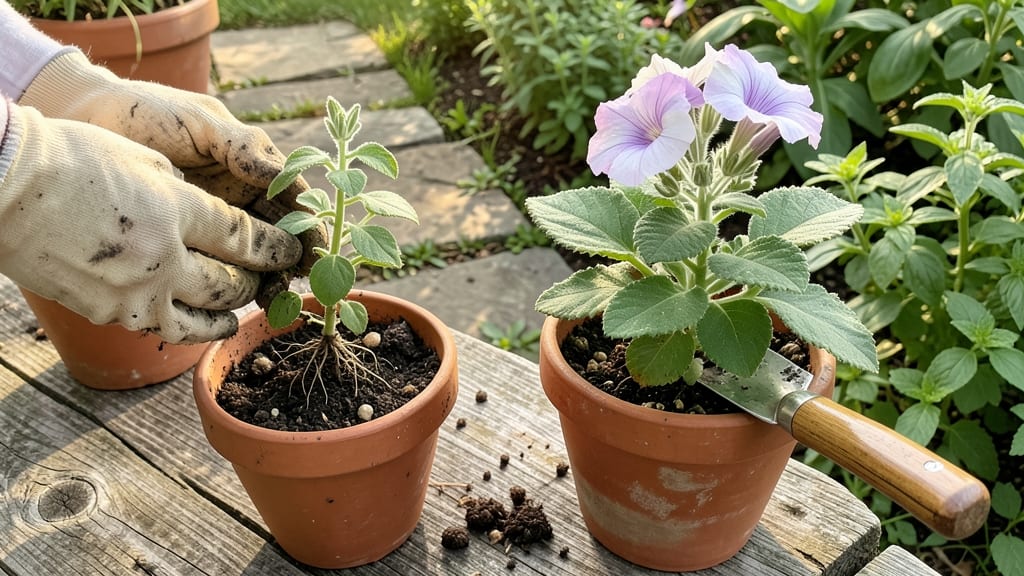
Using garden soil in pots harms plants because it compacts easily, drains poorly, and may contain weed seeds or harmful pathogens. For healthier growth, blend it with perlite or coconut coir, or switch to lightweight potting mixes designed for containers.
Garden soil's dense structure suffocates roots by blocking airflow and trapping excess moisture, which leads to root rot. 🌱 The heavy clay particles also prevent water from draining properly, leaving plants thirsty one moment and drowning the next.
I've seen even drought-resistant succulents struggle in garden soil alone—it's like giving them a soggy blanket instead of breathable air. For repurposing garden soil, I recommend mixing in 30% perlite or vermiculite to improve aeration while keeping the soil's natural nutrients intact.
Another critical issue is the hidden contaminants in garden soil, like weed seeds and fungal spores, which can quickly take over a small pot. These unwanted guests compete with your plants for water and nutrients, stunting growth.
That's why professional potting mixes are formulated with sterilized ingredients—giving your container plants a clean slate to thrive. If you're working with vegetables or herbs, this difference becomes even more important for both yield and food safety.
💡 In This Article
- Why Garden Soil Fails in Container Gardening
- Best Soil Amendments for Repurposing Garden Soil in Pots
Why garden soil fails in container gardening
Garden soil's dense composition creates a suffocating environment for container plants. The heavy clay and silt particles pack tightly together, reducing pore space by up to 70% compared to ideal potting mixes.
This compaction restricts oxygen flow to roots, which need at least 10-15% air space in the soil matrix to function properly. Without adequate aeration, roots suffocate and can't absorb water or nutrients efficiently, leading to stunted growth or death.
The moisture dynamics also shift dramatically in pots. Garden soil holds water like a sponge, creating waterlogged conditions that promote root rot within 24-48 hours of overwatering. This is because clay particles form tight bonds with water molecules, preventing proper drainage.
In contrast, quality potting mixes contain 20-30% perlite or vermiculite, which creates channels for excess water to escape while retaining moisture for roots when needed. 🌱
Pathogen risks escalate in confined container environments using garden soil. The same soil that nurtures your garden may contain dormant weed seeds that germinate rapidly in warm pots, competing aggressively with your plants.
Fungal spores like Phytophthora also thrive in the moist, compacted conditions, creating ideal breeding grounds. These issues are particularly problematic for edible plants, where soil-borne pathogens can contaminate harvests.
Nutrient availability becomes another critical challenge. Garden soil's nutrients are bound tightly to organic matter and minerals, releasing slowly over time. However, container plants deplete these nutrients much faster due to their confined root systems.
Without regular fertilization, plants show signs of deficiency within 4-6 weeks, manifesting as yellowing leaves or poor flowering. Potting mixes are formulated with balanced, readily available nutrients to prevent this cycle.
Consider the texture difference: garden soil feels heavy and dense when moist, while potting soil has a lighter, almost fluffy consistency. This physical difference translates directly to plant health. The loose structure of potting mixes allows roots to spread easily, accessing both air and water simultaneously.
In garden soil, roots struggle to penetrate the compacted layers, creating a root-bound situation even in large containers.
For example, basil plants in garden soil often develop yellow leaves within 2 weeks due to nutrient lockout, while the same plants in potting mix thrive for 6-8 weeks with proper care.
The visual difference is striking—healthy green leaves versus wilting, discolored foliage. This demonstrates why soil structure matters more than most gardeners realize.