
Tools
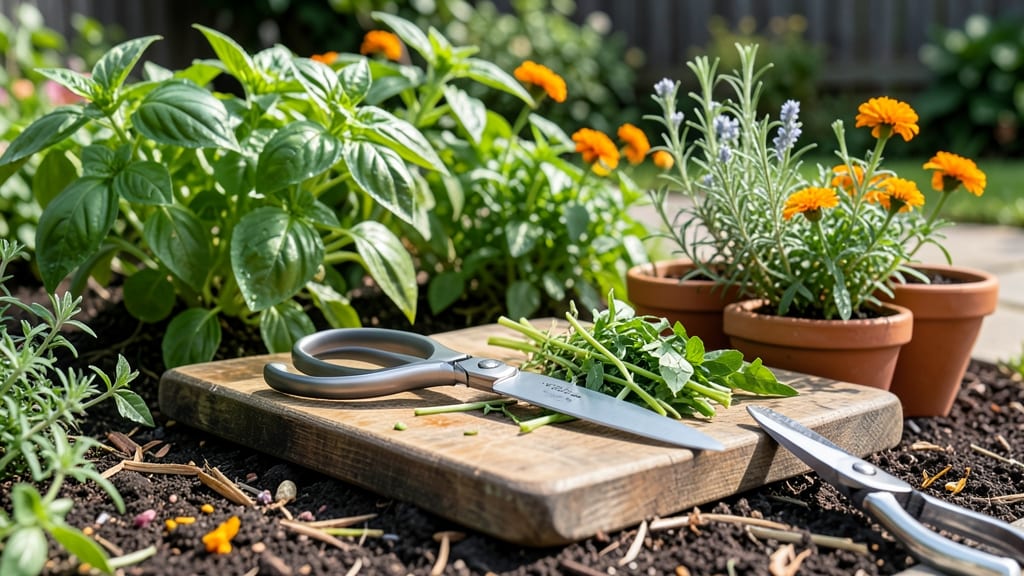
When you're talking about garden scissors called pruning shears, they come in specialized varieties like bypass, anvil, and loppers for different gardening needs.
These tools are the backbone of any gardener's arsenal, and the type you choose makes all the difference. 🌿 Bypass pruners, for example, feature two sharp blades that slide past each other, creating a clean cut ideal for live branches and delicate plants.
Anvil pruners, on the other hand, have one sharp blade crushing against a flat edge, which works better for thicker, dead wood where precision isn't as critical. Loppers take this further by offering extended handles and larger cutting capacity for heavier branches up to 2 inches in diameter.
The right choice depends on your gardening tasks—whether you're shaping roses, trimming hedges, or clearing dead growth. Carbon steel blades stay sharper longer but require more maintenance, while stainless steel resists rust but may dull faster.
For most home gardeners, a good-quality bypass pruner is the versatile workhorse you'll use most often.
💡 In This Article
- How Pruning Shears Work: Bypass vs Anvil Cutting Mechanics
- Choosing the Right Pruning Shears for Your Garden Tasks
How pruning shears work: bypass vs anvil cutting mechanics
The core difference between bypass and anvil pruning shears lies in their blade mechanics. Bypass shears feature two sharp, curved blades that slide past each other like scissors, creating a clean, precise cut.
This design minimizes tissue damage to live plants by sealing the cut immediately, which is why they're ideal for pruning roses, hedges, or any green growth. The blades typically measure around 3-4 inches long, allowing for controlled cuts on branches up to 3/8 inch in diameter.
Anvil pruners, on the other hand, use a single sharp blade that crushes against a flat anvil surface. This crushing action creates more friction and heat, which can crush plant fibers and cause ragged cuts.
While this makes them less ideal for live plants, it's perfect for dead or dry wood where precision isn't critical. The anvil design also handles thicker materials better, making it suitable for pruners with 4-6 inch blades that can cut through branches up to 1/2 inch thick.
What most gardeners don't realize is how these mechanics affect plant recovery. Bypass cuts heal faster because the clean edges allow the plant to seal off the wound more efficiently. Anvil cuts, meanwhile, create crushed fibers that can trap moisture and invite disease.
This is why professional arborists almost exclusively use bypass pruners for live plants—it's not just about sharpness, but about how the cut interacts with the plant's biology. 🌱
The blade material also plays a role in performance. High-carbon steel blades stay sharper longer but require regular oiling to prevent rust, while stainless steel blades resist corrosion but may dull faster.
For bypass shears, the blade angle (typically 15-20 degrees) is designed to create a scissor-like action that reduces resistance when cutting through plant fibers. Anvil blades, with their 25-30 degree angle, are built to handle the crushing force needed for tougher materials.
Consider this when choosing: Bypass shears are your go-to for anything green, while anvil pruners shine when dealing with dead wood or thicker branches. The right choice depends on what you're cutting—and how you want that plant to heal afterward.
For most home gardeners, a quality bypass pruner will handle 90% of your needs, with anvil or loppers reserved for specific tasks.