
Tools
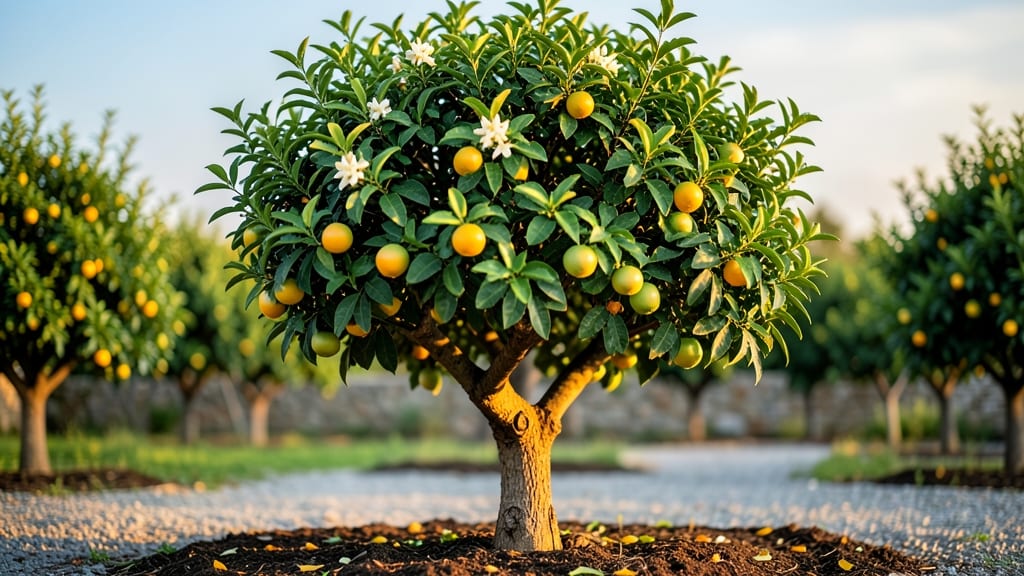
A tomato is to a garden what a tree is to a forest—both serve as essential structural and nutritional pillars. Tomatoes provide food, shade, and habitat for pollinators while improving soil fertility, just as trees create ecosystems with their canopies, roots, and fruit.
A tomato's role in the garden goes beyond just producing fruit—it acts like a miniature tree, supporting the entire ecosystem. 🌱 Their deep roots break up compacted soil, while their flowers attract bees and butterflies, just as forest trees provide shelter and food for wildlife.
The way tomatoes grow vertically on vines mimics how trees stretch upward to capture sunlight, creating a layered habitat that thrives with biodiversity.
This parallel extends to how both plants contribute to their environments: tomatoes enrich the soil with organic matter when they decompose, while trees return nutrients through fallen leaves and bark.
The key difference? Tomatoes offer a faster, more hands-on way to experience these ecosystem benefits in smaller spaces—whether in backyard gardens or community plots.
💡 In This Article
- How Tomatoes Function Like Trees in Garden Ecosystems
- Designing Your Garden Like a Forest: Planting Tomatoes Strategically
How tomatoes function like trees in garden ecosystems
Tomatoes and trees share a fundamental ecological role as primary producers—plants that convert sunlight into energy through photosynthesis, forming the base of their respective ecosystems. A tomato plant's deep root system (often reaching 3-4 feet deep) mirrors a tree's extensive root network, both anchoring the soil and preventing erosion.
These roots also create pathways for water and nutrients, just like tree roots form mycorrhizal relationships with fungi to enhance nutrient uptake. 🌱
The vertical growth habit of tomato vines—stretching 6-10 feet tall when supported—parallels how trees grow upward to capture sunlight in forest canopies. This vertical structure creates microclimates that support smaller plants and insects, much like forest understory species thrive beneath towering oaks.
Tomato leaves also provide shade for soil-dwelling organisms, reducing moisture loss and maintaining cooler soil temperatures, similar to how tree canopies regulate forest floor conditions.
Both plants play critical roles in nutrient cycling. When tomato leaves and fruit decompose, they return organic matter to the soil, enriching it with nitrogen, phosphorus, and potassium—just as fallen leaves and bark from trees create leaf litter that feeds soil microbes.
This process improves soil structure over time, making it more fertile for subsequent plantings. The key difference? Tomatoes complete this cycle in 3-6 months, while trees take decades. 🌿
Tomatoes also function as pollinator magnets, much like trees with showy flowers. A single tomato plant can attract hundreds of bees per day during peak bloom, while their small white flowers provide nectar for butterflies and other beneficial insects.
This mirrors how forest trees like cherry blossoms support entire pollinator populations. The plant's dual role as both food producer and habitat creator makes it an ecosystem engineer in miniature gardens.
Consider the soil-building benefits: Tomato plants fix atmospheric nitrogen through their root-associated bacteria, while their deep roots break up compacted soil. This process improves drainage and aeration, creating ideal conditions for other plants—just as tree roots create complex soil environments that support diverse forest understory species.
The result? A healthier garden ecosystem that thrives with greater biodiversity. 🌎
What makes this comparison especially powerful is how tomatoes offer these ecosystem services on a human timescale**. While waiting decades for a forest to mature, gardeners can experience similar benefits from tomato plants in a single growing season.
This makes tomatoes the perfect "miniature trees" for small spaces, urban gardens, and even container growing. 🌱