
Tools
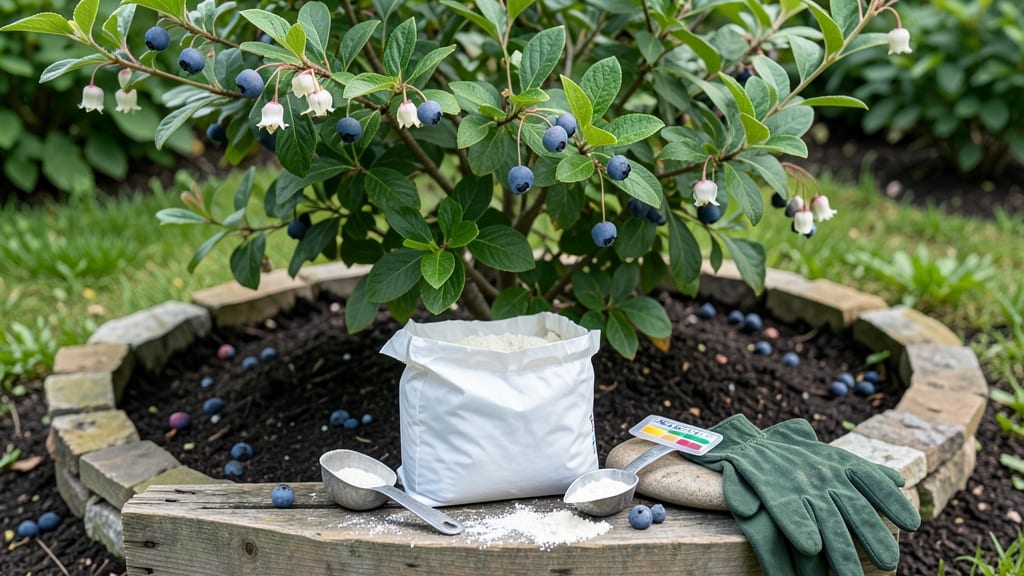
Putting lime in your garden at the right time—ideally in fall or early spring—can save your plants from struggling with acidic soil.
Struggling with yellowing leaves or stunted plant growth? Your soil might be too acidic—adding lime at the right time can transform your garden from struggling to thriving in just a few months.
Most gardeners wait until fall to apply lime because it gives the soil time to absorb and adjust before spring planting. But if you live in a warmer climate, early spring might be better to avoid summer heat stress on your plants.
Before you grab that bag of lime, though, you’ll want to test your soil’s pH first. I’ll walk you through how to do that and the best ways to apply lime for maximum benefits without overdoing it.
Best times to apply lime for optimal soil pH balance
If your garden soil feels too acidic—think yellowing leaves or stunted growth—lime can be a game-changer. But timing matters. Applying lime at the wrong season can waste your effort or even harm plants.
The best times to add lime are fall or early spring, when soil is cool and plants aren't actively growing. This gives lime time to break down and adjust pH before planting season.
Why wait? Lime works best when soil temperatures are below 60°F. In warmer months, lime can burn plant roots or get washed away before it has a chance to work. Plus, cooler weather means slower microbial activity, which helps lime spread evenly.
If you're prepping for spring planting, aim to apply lime 2-3 months in advance—that means fall application for most regions.
Climate plays a big role too. In humid southern climates, lime can dissolve faster, so you might need to apply it earlier in fall. Meanwhile, in dry northern regions, winter snow can protect lime from washing away, making late fall a safer bet.
Always check your local frost dates—lime needs time to integrate before the ground freezes.
Before you grab that bag of lime, test your soil pH. Most garden plants thrive in a 6.0–7.0 pH range. If your soil is below 6.0, lime is likely needed.
But if it's already neutral or alkaline, skip it—too much lime can raise pH too high, locking out essential nutrients like iron and manganese. Think of lime as a precision tool, not a one-size-fits-all fix.
| Season | Best Time to Apply | Soil Temp | Why It Works |
|---|---|---|---|
| Fall | 2-3 months before spring planting | Below 60°F | Lime breaks down slowly; avoids summer washout |
| Early Spring | Before seeds sprout or plants emerge | 40-50°F | Gives lime time to integrate before active growth |
| Summer | Avoid | Above 70°F | Risk of burning roots and rapid washout |
| Winter | Only in mild climates | Below freezing | Frozen soil prevents absorption; risky |
Once you’ve tested your soil and picked the right season, spread lime evenly over the garden bed using a broadcast spreader for uniform coverage. Lightly rake it into the top 2-3 inches of soil to help it integrate.
Watering after application isn’t required, but a light rain within a few days can help it settle. Avoid heavy watering right after—it can create lime pockets that won’t adjust pH evenly.
How often should you reapply lime? It depends on your soil type. Sandy soils may need lime every 1-2 years, while clay soils can hold pH adjustments longer—every 3-4 years. Always retest your soil 6 months after application to check pH changes.
If your garden is home to acid-loving plants like blueberries or azaleas, you might need to limit lime use or apply it sparingly to avoid shocking their roots.
Pro tip: Mix lime with compost or organic matter before spreading. This helps buffer pH changes and improves soil structure. For example, if you’re amending a vegetable garden, blend lime with compost in a 50/50 ratio and spread it like mulch.
This combo keeps the soil healthy while gradually adjusting pH over time.
Remember, lime isn’t a quick fix. It can take 2-3 months to fully adjust soil pH, so patience is key. If you’re planting new perennials or shrubs, apply lime a full season ahead of planting.
For annuals, aim for a fall application so the soil is ready by spring. With the right timing, lime can turn your struggling garden into a thriving ecosystem in no time.
Ready to give it a try? Grab a soil test kit, mark your calendar for fall, and get ready to see your plants flourish next season. 🌱
How to test soil pH before adding lime: step-by-step guide
Testing your soil pH before applying lime is the first step to fixing acidic soil and creating an ideal growing environment. Most plants thrive in a slightly acidic to neutral pH between 6.0 and 7.0, so knowing your soil’s current pH helps you determine how much lime to add.
Without testing, you risk over- or under-applying lime, which can harm your plants or leave your soil still too acidic.
You have two main options for testing: DIY home test kits or professional lab testing. Home kits are quick, affordable, and perfect for beginners, while lab tests offer precise results and additional soil analysis.
I’ll walk you through both methods so you can choose what works best for your garden and budget.
Applying lime at the wrong time can disrupt plant growth. Never add lime when plants are actively growing (spring/summer) or during freezing temperatures (winter). The best times are early fall or late winter, allowing 2–3 months for the lime to break down before planting. Over-application can raise soil pH too quickly, making nutrients like iron and manganese unavailable to plants.
For DIY testing, grab a soil pH test kit from your garden center. These kits typically include a probe, color chart, and instructions. Collect soil samples from multiple spots in your garden—at least 5–6 inches deep—and mix them in a clean bucket.
Moisten the sample with distilled water (tap water can skew results), then insert the probe for a 30-second reading. Compare the color to the kit’s chart for your pH level.
If you prefer lab testing, send a soil sample to your local cooperative extension service or a private lab. They’ll analyze your soil’s pH, organic matter, and nutrient levels for a detailed report.
This method costs more but provides accurate, actionable data for long-term soil health. Many labs include recommendations for lime application rates based on your soil type and target pH.
Once you know your soil pH, calculate how much lime to add using a lime application calculator or follow general guidelines: 1–2 lbs of lime per 100 sq ft for slightly acidic soil (pH 5.5–6.0) or 5–10 lbs for very acidic soil (pH below 5.5).
Always double-check with your test results, as soil type (clay vs. sandy) affects how lime interacts with your soil.
After testing, mark your lime application date on your garden calendar. Apply lime evenly over the soil surface, then lightly till it into the top 2–3 inches of soil. Water the area thoroughly to help the lime dissolve and integrate.
Re-test your soil 3–6 months later to confirm the pH adjustment and adjust as needed for your plants’ specific needs.