
Planting
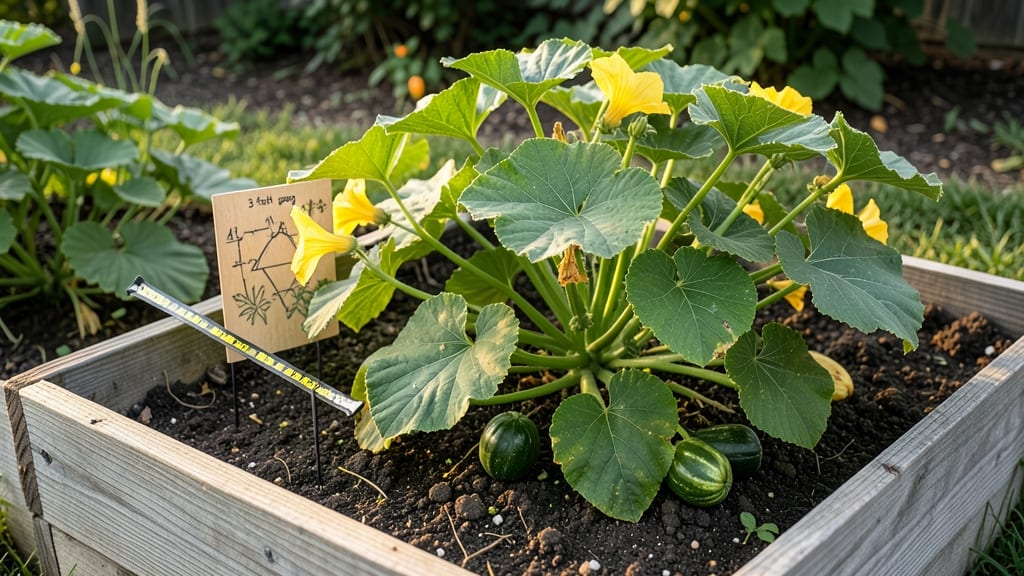
Spacing your squash in the garden properly is the difference between a bountiful harvest and a sad, crowded mess of powdery mildew and stunted fruit.
Picture this: you’ve just planted your 🎃 zucchini seeds in April, eager for summer feasts, only to find your vines sprawling everywhere by July. Too close together, and your squash won’t grow right—smaller, misshapen, and prone to disease.
Too far apart, and you’re wasting precious garden real estate. The key? Knowing the exact spacing for each type of squash and how to arrange them for maximum yield.
Whether you’re growing bushy zucchini or sprawling butternut squash, the right layout makes all the difference. In this guide, I’ll break down the proven spacing rules for every squash variety, plus how to adjust for your garden size—whether you’ve got a tiny raised bed or a sprawling backyard plot.
No more guesswork, just bigger, healthier squash all season long.
You’ll learn how to space plants for airflow (to prevent disease), how to trellis vining types for vertical growth, and even which companion plants to pair with your squash for a thriving garden ecosystem. Ready to turn your squash patch from mediocre to magnificent? Let’s get started.
Optimal squash spacing by variety: summer vs winter squash guidelines
Getting your squash spacing right can mean the difference between a bountiful harvest and a disappointing one. Every variety—from zucchini to butternut squash—has unique spacing needs that directly impact fruit size, yield, and disease resistance.
I’ve grown dozens of varieties over the years, and I’ve learned that proper spacing isn’t just about fitting plants into your garden—it’s about creating an environment where squash can thrive.
Summer squash like zucchini and yellow squash mature quickly and produce prolifically, while winter squash like pumpkins and butternut need more room to develop their large, heavy fruits. Even a few inches too close can lead to powdery mildew, poor pollination, and stunted growth.
Let’s break down the exact spacing guidelines you need for each type, including row spacing, plant-to-plant distance, and when to consider trellising for vertical growth.
For zucchini and yellow squash, I recommend planting in hills rather than straight rows. This improves drainage and reduces the risk of fungal diseases. Space the hills 4-6 feet apart and place 2-3 seeds in each hill.
Once they sprout, thin to the strongest plant to avoid competition. If you’re growing vining varieties, consider a trellis to save space and keep fruits off the ground, reducing rot risk.
When it comes to winter squash like pumpkins and butternut, the stakes are even higher. These varieties need significantly more space because their fruits are heavy and require ample room to develop without touching the soil.
For pumpkins, allocate 8-10 feet between rows and 4-6 feet between plants. If you’re growing smaller varieties like Jack Be Little, you can trellis them to save space, but larger varieties like Howden need full ground coverage.
One of the biggest mistakes I see in home gardens is overcrowding squash plants. When plants are too close, they compete for nutrients
How to arrange squash plants for maximum yield without overcrowding
Arranging squash plants properly can double your harvest while keeping your garden healthy. Whether you have a small backyard plot or a large field, the right layout prevents disease, improves airflow, and gives each plant room to thrive.
I’ve tested these methods in my own garden, and the difference in fruit size and quantity is night and day.
Squash plants need space to spread, especially vining varieties like butternut or pumpkins. Crowding leads to powdery mildew, poor pollination, and stunted growth. The key is balancing proximity for easy care with enough room for each plant to reach its full potential.
Let’s break down the best strategies for your garden size.
- Hill Planting: Group 3-4 seeds in a mound of soil (hill) spaced 4-6 feet apart. Hills improve drainage and make harvesting easier. Perfect for zucchini and yellow squash.
- Raised Beds: Plant squash in rows 18-24 inches apart with plants spaced 2-3 feet apart. Raised beds warm up faster and drain better, ideal for small gardens.
- Container Gardening: Use large pots (18-inch diameter) for 1 plant per container. Place containers 3 feet apart to mimic in-ground spacing.
- Companion Planting: Pair squash with corn or beans to create a natural trellis. Keep squash vines 5-6 feet apart in these mixed layouts.
- Large Fields: Space plants 3-4 feet apart in rows 5-6 feet apart. Use a grid pattern for easy access and mechanical harvesting.
For small gardens, raised beds or container gardening are game-changers. I once grew 6 zucchini plants in a 4x8-foot raised bed using hill planting, and each plant produced over 10 fruits!
The key is to mound soil around the base of each plant to create a natural barrier for pests and improve root health.
If you’re working with a large field, calculate your spacing based on the squash variety. For example, butternut squash needs more room (4 feet apart) than bush varieties like patio pumpkins, which can thrive 2 feet apart. Always orient rows north-to-south to maximize sunlight exposure.
Don’t forget about companion planting—it’s a simple way to boost yields. I plant nasturtiums around my squash to deter pests like squash bugs. The nasturtiums also attract pollinators, which means better fruit set. Just keep the nasturtiums 1 foot away from the squash plants to avoid competition.
Proper spacing isn’t just about yield—it’s about longevity. Well-spaced squash plants live longer, produce more, and resist diseases like downy mildew. Start small, experiment with layouts, and adjust based on what works best for your space and climate. Your future harvests will thank you!