
Flowers
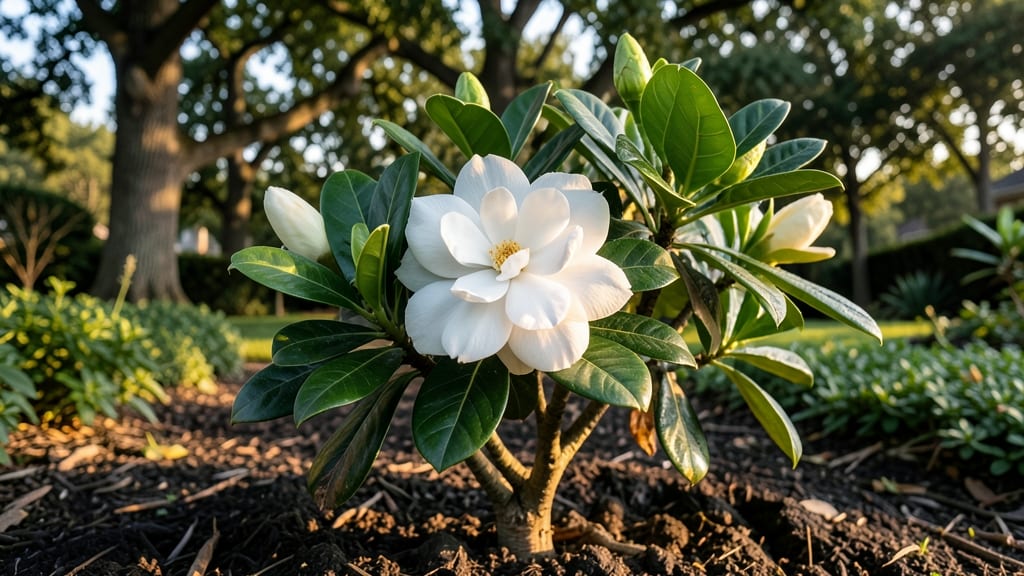
Gardenias in winter often look like they’ve given up—shedding leaves, baring branches, and leaving you wondering if they’re dead or just resting.
If you’ve ever wondered whether your gardenia shrubs still hold life beneath the winter chill—or if they’ve completely vanished—this guide reveals the surprising truth about their dormant appearance and how to identify them before spring.
Most gardenias in zones 7-10 enter a semi-dormant state, where they drop leaves but keep a few stubborn ones or even a few hidden buds waiting for warmth. The branches may look bare, but the bark often stays smooth, and the roots stay alive just beneath the soil.
Below, I’ll show you how to spot the subtle signs of life—like flexible stems, tiny leaf buds, or even a faint scent when you brush the branches—and share the simple care tips to keep them thriving until spring blooms return.
How gardenias appear during winter dormancy: leaves, branches, and bark clues
Winter can turn your vibrant gardenia shrubs into a puzzle—do they stay alive beneath the frost, or have they completely given up? The truth is, gardenias enter a dormant state where they slow down but don’t die.
Their leaves, branches, and bark all change in subtle ways that reveal whether your plant is just resting or struggling. Understanding these winter clues helps you care for them properly until spring.
Unlike deciduous plants that shed all their leaves, gardenias often retain some foliage through winter, though it may look different. The leaves might yellow, brown, or even drop partially, but the plant’s structure remains intact. This partial leaf retention is a key sign of dormancy, not death.
The branches also darken and stiffen, and the bark may develop a slightly rougher texture as moisture levels drop. Let’s break down these visual winter indicators so you can tell if your gardenia is alive and well.
| Feature | Dormant Gardenia | Dead Gardenia |
|---|---|---|
| Leaves | Yellowing or brown patches, some may drop | Completely fallen off or mushy black |
| Branches | Dark brown, stiff, but flexible when bent | Brittle, snaps easily, or covered in mold |
| Bark | Rougher texture, may peel slightly | Cracked, oozing sap, or peeling in large patches |
| Stems | Greenish-brown, firm to touch | Soft, hollow, or covered in dark spots |
| Roots (if checked) | White or light brown, firm | Black, mushy, or smelly |
The leaves of a dormant gardenia often start to yellow or brown at the edges, a sign the plant is conserving energy. Some varieties, like the Gardenia jasminoides, may drop most of their leaves, while others like Gardenia augusta retain a few.
If you see green buds forming along the branches, your plant is still alive and preparing for spring. These buds are a positive sign that the plant is just resting and not dead.
When examining the branches of a winter gardenia, look for stiffness rather than brittleness. Healthy branches should bend slightly without snapping, while dead branches will break easily or feel hollow. The bark may also develop a rougher texture due to reduced moisture, but it shouldn’t crack or ooze sap.
If you gently scratch the bark and see green underneath, that’s another clue your gardenia is alive and storing energy for spring growth.
One of the most overlooked clues is the color shift in the stems. Dormant gardenia stems often turn a greenish-brown, while dead stems appear black or gray. Run your fingers along the stem—if it feels firm and slightly woody, the plant is likely dormant.
However, if the stem feels soft or mushy, it’s a red flag that the plant has died, possibly from root rot or frost damage. Always check for these subtle differences before assuming the worst.
If your gardenia is potted, the soil moisture level can also indicate dormancy. Dormant plants require less frequent watering, typically every 2-3 weeks in winter, depending on your climate. Overwatering can lead to root rot, which mimics dormancy symptoms but is far more serious.
Let the top 1-2 inches of soil dry out between waterings to keep the roots healthy during their resting phase.
Another trick to test for life is the "scratch test". Use your fingernail to gently scratch a small area of the bark or stem. If you see green tissue beneath, the plant is alive. If the area beneath is brown or black, the plant has likely died.
This simple test can save you from unnecessary worry or replacing a plant that’s still holding on. Remember, gardenias are tropical plants and prefer warmth, so their winter dormancy is a survival strategy, not a sign of failure.
Even if your gardenia looks bare, don’t assume it’s dead. The roots remain active beneath the soil, absorbing moisture and storing nutrients. In early spring, you’ll often see new growth emerge from the base of the plant, proving it was just resting.
To encourage this, avoid heavy pruning in winter—wait until spring to shape the plant and remove dead branches. This gives your gardenia the best chance to bounce back when temperatures rise.
Finally, pay attention to the overall structure of your gardenia. A dormant plant will have a compact, upright shape, while a dead plant may collapse or lean heavily to one side.
If you notice mold or mildew on the branches or leaves, that’s a sign of fungal issues, not dormancy. In this case, prune the affected areas and consider applying a fungicide to protect your plant until spring.
With these clues in mind, you’ll be able to confidently identify whether your gardenia is just taking a winter nap or if it needs your help to survive. Even if it looks bare, your plant might be preparing for a spectacular spring comeback
5 Key signs your gardenia is still alive (even without flowers)
Winter can leave your gardenia looking like a bare skeleton, but don’t assume it’s dead just yet! Many gardenia shrubs enter a natural dormancy phase when temperatures drop, conserving energy for spring’s return. The key is knowing what to look for—subtle clues that reveal life beneath the winter chill.
I’ve spent years observing gardenias through dormancy, and these 5 signs will help you confirm whether your plant is simply resting or truly struggling.
First, check the stem flexibility. A living gardenia’s stems should bend slightly without snapping—like a young willow branch. If stems are brittle and snap easily, that’s a red flag. But if they bend with a little give, your plant is likely alive.
Next, look for bud formation along the branches. Tiny, swollen buds (often green or pink) mean the plant is preparing for spring growth, even if no flowers are visible yet.
-
1. Bud Formation
Look for tiny green or pink buds along branches—these signal spring prep, even without flowers.
-
2. Stem Flexibility
Healthy stems bend slightly (like willow wood), while dead ones snap like dry twigs.
-
3. Root Health Check
Gently dig near the base—white or light-brown roots mean life; black/mushy roots mean rot.
-
4. Bark Color Shift
Living bark turns dull gray-green in winter; dead bark stays dark brown or black.
-
5. Seasonal Leaf Retention
Some gardenias keep 20-30% of leaves—thin but green or yellow-green, not crispy.
Don’t overlook the root health check. Carefully dig around the base (just 2-3 inches deep) to inspect the roots. Healthy roots are white or light tan and firm to the touch.
If you find dark, mushy roots, your gardenia may be suffering from rot—a common winter issue. But if the roots are firm and alive, your plant is just hibernating.
Another telltale sign is a bark color shift. Living gardenia bark often turns a dull gray-green during winter, while dead bark remains dark brown or black. Run your fingers along the trunk—smooth bark is a good sign, but rough or peeling bark may indicate stress or death.
Even if your gardenia looks bare, these color shifts can be your saving grace.
Finally, pay attention to seasonal leaf retention. Some gardenias hold onto a few leaves through winter—typically 20-30% of their foliage. These leaves may appear thin or yellow-green, but they’re not crispy or brown.
If you see any green life clinging to the branches, your plant is still alive and likely just conserving energy for spring.
Remember, gardenias in USDA Zones 7-10 often enter dormancy when nights drop below 50°F (10°C). With these signs in mind, you’ll know exactly whether your gardenia is just resting—or if it needs your help to make it through the winter.
A little patience and observation can make all the difference! 🌿