
Tools
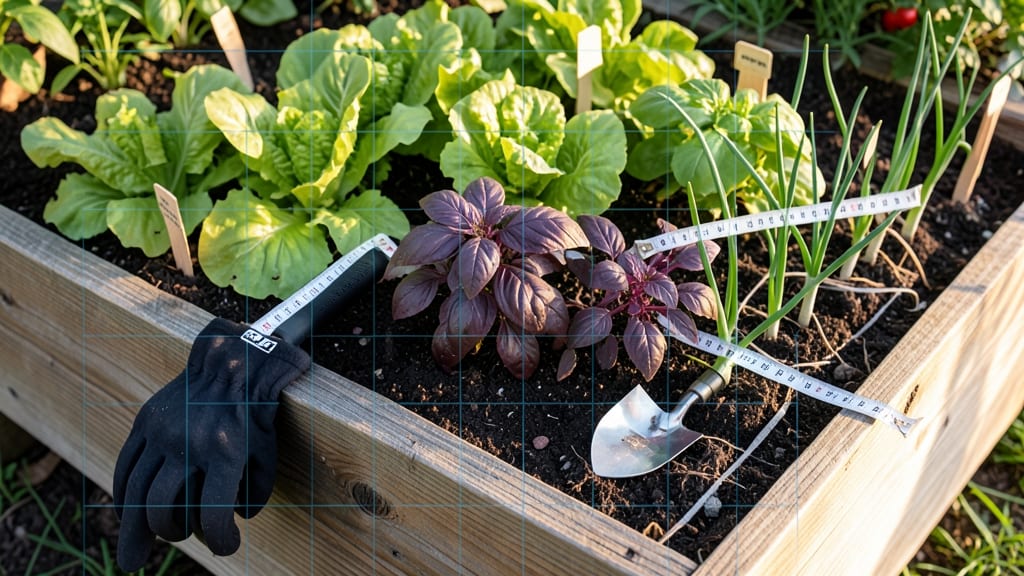
A sqft gardening chart transforms small spaces into high-yield gardens by mapping out exact plant spacing and potential harvests per square foot, making it ideal for efficient vegetable, herb, and flower cultivation.
A sqft gardening chart isn't just about cramming plants together—it's a science of balance. 🌱 Each plant type has unique spacing needs (like 4-inch squares for lettuce versus 16-inch squares for tomatoes), and the chart accounts for that while predicting how many carrots or basil plants you can realistically fit.
This system works particularly well for raised beds or containers, where every inch counts. I've found that pairing fast-growing plants like radishes with slower ones like peppers prevents overcrowding and maximizes both space and sunlight exposure.
What makes these charts so powerful is their ability to turn guesswork into precision. Instead of eyeballing plant placement, you get a visual roadmap that accounts for mature plant sizes and companion planting benefits.
For example, placing bush beans next to cucumbers in the same square foot creates natural support while optimizing space. The real magic happens when you combine this with your local climate data—knowing which plants thrive in your USDA hardiness zone lets you fine-tune your layout for maximum productivity.
💡 In This Article
- How to Read and Use a Square Foot Gardening Chart
- Customizing Your Square Foot Garden Layout
How to read and use a square foot gardening chart
A square foot gardening chart uses a grid system where each square represents one foot of growing space. The key to reading it lies in understanding the spacing requirements listed for each plant type.
For example, leafy greens like lettuce typically occupy 4-inch squares, while root vegetables such as carrots need 1-inch spacing per plant to prevent overcrowding. The chart accounts for mature plant sizes, so a tomato plant might require a full 16-inch square despite starting small.
This precision ensures roots have room to spread without competing for nutrients.
The yield calculations on these charts are based on real-world data from agricultural studies. For instance, a 1-square-foot plot of radishes might yield 16 radishes (4 per inch), while the same space for bush beans could produce 9 plants (3 per square).
The chart often includes notes about plant height and sunlight needs—tomatoes, for example, need full sun and vertical support, which may require adjusting neighboring plants to avoid shading. This data-driven approach eliminates the trial-and-error common in traditional gardening.
To use the chart effectively, start by identifying your space constraints. A 4'x8' raised bed equals 32 square feet, so you'll need to select plants whose spacing requirements multiply to fit this area.
For instance, you could dedicate 8 squares to lettuce (4-inch spacing) and 4 squares to carrots (1-inch spacing)4-inch squares. The chart also helps visualize companion planting—pairing onions with carrots deters pests naturally while optimizing space.
Adjustments are necessary for different growing conditions. In cooler climates, you might plant more cold-hardy crops like kale in larger squares, while warmer regions could focus on heat-tolerant varieties like okra.
The chart's flexibility allows you to swap plants seasonally—spring might be dedicated to leafy greens, while summer shifts to tomatoes and peppers. This adaptability is why square foot gardening thrives in both urban containers and rural plots.
One common misconception is that smaller spacing means higher yields. In reality, overcrowding leads to stunted growth, disease, and reduced harvests. For example, packing 16 basil plants into a square foot might seem efficient, but they'll compete for water and nutrients, resulting in weak stems and fewer leaves.
The chart's spacing recommendations are tested to balance density with plant health, ensuring you get the maximum yield without sacrificing quality.
For visual learners, color-coding the chart by plant family or sun exposure needs can simplify planning. I've found that using different colored markers for full-sun, partial-sun, and shade-tolerant plants helps prevent shading issues.
Pairing this with a simple sketch of your garden layout—whether it's a raised bed, container, or in-ground plot—makes it easier to see how plants will interact as they grow. 🌿