
Planting
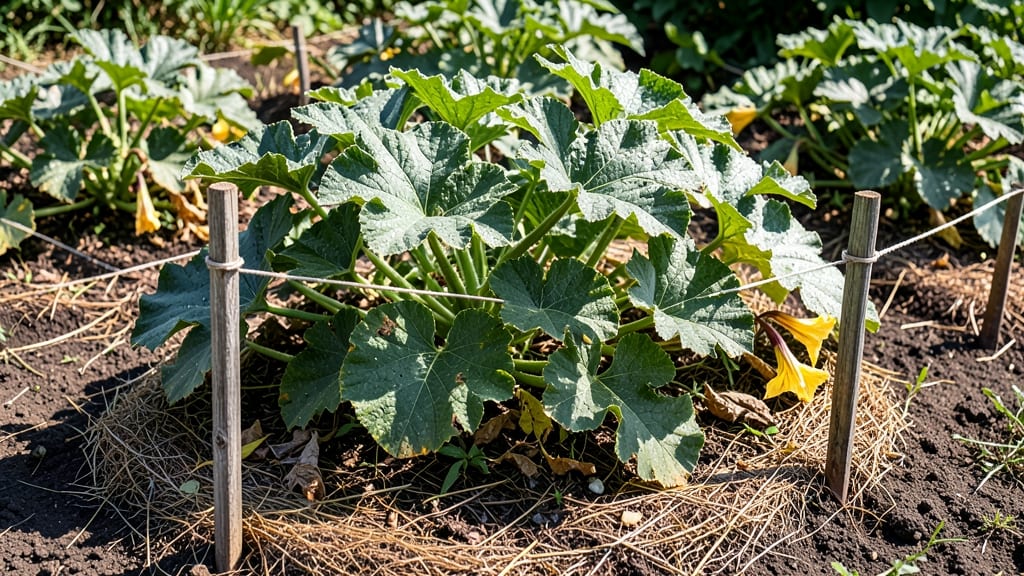
Proper watermelon garden spacing is the foundation of a bountiful harvest—3 to 6 feet apart between plants ensures vines spread without competing for nutrients or sunlight.
Struggling to grow watermelons that reach their full potential? The secret isn’t just soil or seeds—it’s the spacing between your plants that determines whether you’ll harvest juicy giants or stunted disappointments.
Too close, and your melons fight for space, leaving you with small, bitter fruit and inviting pests. Too far apart, and you waste precious garden real estate. Getting it right means maximizing yield while keeping your plants healthy and productive.
In this guide, I’ll walk you through the exact spacing rules for vining versus bush varieties, how to adjust for row layouts, and the common mistakes that sabotage even the best-intentioned gardens.
Optimal watermelon garden spacing by variety type (vining vs. bush)
Getting the watermelon spacing right is the difference between sweet, vine-ripened fruit and stunted, bitter disappointments. Not all watermelons grow the same—vining varieties like Sugar Baby sprawl aggressively, while bush types like Crimson Sweet stay compact.
Even a 1-foot miscalculation can mean powdery mildew or poor fruit development. Let’s break down the science behind spacing to maximize your harvest.
Proper plant spacing isn’t just about giving roots room—it’s about airflow, sunlight exposure, and even soil nutrient distribution. A crowded watermelon patch traps moisture, inviting fungal diseases, while too much space wastes garden real estate. The key? Balance row spacing with plant-to-plant distance, tailored to your variety.
For example, vining types need 3–4 feet between plants, while bush varieties thrive with 2–3 feet apart. But here’s the catch: row spacing matters just as much.
If you’re growing vining watermelons like Sugar Baby, aim for 3–4 feet between plants and 5–7 feet between rows. These varieties send out long, sprawling vines that can stretch 10+ feet, so giving them space prevents competition for nutrients.
For bush types like Crimson Sweet, tighten it up to 2–3 feet apart with 4–5 feet between rows. The narrower rows still allow airflow while saving space in your garden.
Here’s a pro tip: Mulch heavily around your watermelons to retain moisture and suppress weeds. Use straw or black plastic mulch—both reduce soil-borne diseases by keeping foliage dry. And if you’re short on space, consider trellising vining varieties.
While watermelons aren’t traditional climbers, training vines upward with a strong trellis can save space and improve fruit quality by reducing soil contact.
One common mistake? Ignoring row orientation. Plant rows north-to-south in the Northern Hemisphere (or south-to-north in the Southern Hemisphere) to maximize sunlight exposure throughout the day. This simple adjustment can boost yields by 20–30% by ensuring all plants get equal light.
And if you’re in a small-space garden, try hill planting: mound soil into small hills, plant 2–3 seeds per hill, and space hills 4–5 feet apart.
Let’s talk soil health, too. Watermelons are heavy feeders, so proper spacing ensures roots access nutrient-rich soil. Work in compost or aged manure before planting, and side-dress with balanced fertilizer (like 5-10-10) when vines start running.
Overcrowded plants compete for nutrients, leading to smaller fruit and poor flavor. Think of spacing as an investment in your melons’ future.
For container growing, choose bush varieties like Black Diamond and use 5-gallon pots with 2–3 feet of space between containers. Vining types need at least 15-gallon pots and more aggressive pruning to control growth.
Containers dry out faster, so water deeply twice daily during hot spells. Pro tip: Place pots on reflective surfaces (like white trays) to boost root zone warmth.
Finally, rotate your crops every year to prevent disease buildup. Watermelons are heavy feeders and deplete soil nutrients, so follow them with legumes or grasses to restore nitrogen. And if you notice yellowing leaves or stunted growth, it’s a red flag—either overcrowding or nutrient deficiency.
Thin plants early if needed, and watch your yield soar.
With the right watermelon spacing, you’re not just growing fruit—
Common mistakes in watermelon spacing (and how to Fix them)
Even experienced gardeners sometimes struggle with watermelon spacing, leading to disappointing harvests. Overcrowding is the #1 culprit—it creates a perfect storm of powdery mildew, stunted vines, and small, underdeveloped fruit.
I’ve seen gardens where plants were packed too close, resulting in only 20% of the expected yield because the melons couldn’t develop properly.
Another common mistake is ignoring variety-specific spacing. A vining variety like Sugar Baby needs 3–4 feet between plants, while bush types like Crimson Sweet thrive with 2–3 feet of space.
Mixing these up without adjusting spacing can lead to tangled vines and poor airflow, inviting pests and diseases.
⚠️ Overcrowding Alert: The Hidden Yield Killer
Symptoms: Yellowing leaves, powdery white fungus, small melons, weak vines.
Root Cause: Poor airflow + excess moisture = powdery mildew and poor fruit set.
Quick Fix: Thin plants to 3–4 ft apart immediately and prune excess vines to improve circulation.
If you’ve already planted too close, don’t panic. Pruning is your best friend—remove excess vines near the base to redirect energy to fruit development. I’ve rescued overcrowded patches by cutting back 30–50% of the foliage, which surprisingly boosted melon size within weeks.
For trellising, vertical growth can save space but requires strong support. If your melons are sprawling uncontrollably, install a trellis or cage early to guide vines upward. This not only saves space but also reduces soil-borne diseases by keeping foliage off the ground.
Mid-season adjustments are key. If your plants look stressed, reassess spacing and consider staggered thinning. Remove the weakest plants first, leaving the healthiest 2–3 feet apart for bush types or 4–6 feet apart for vining varieties.
Pro tip: Use mulch around plants to retain moisture and suppress weeds, which compete for nutrients. A 3-inch layer of straw can make a huge difference in crowded beds by reducing stress on the plants.
Remember, proper spacing isn’t just about numbers—it’s about creating an environment where your watermelons can thrive. With these fixes, you’ll see bigger, healthier fruit and fewer headaches come harvest time. 🌱