
Pests
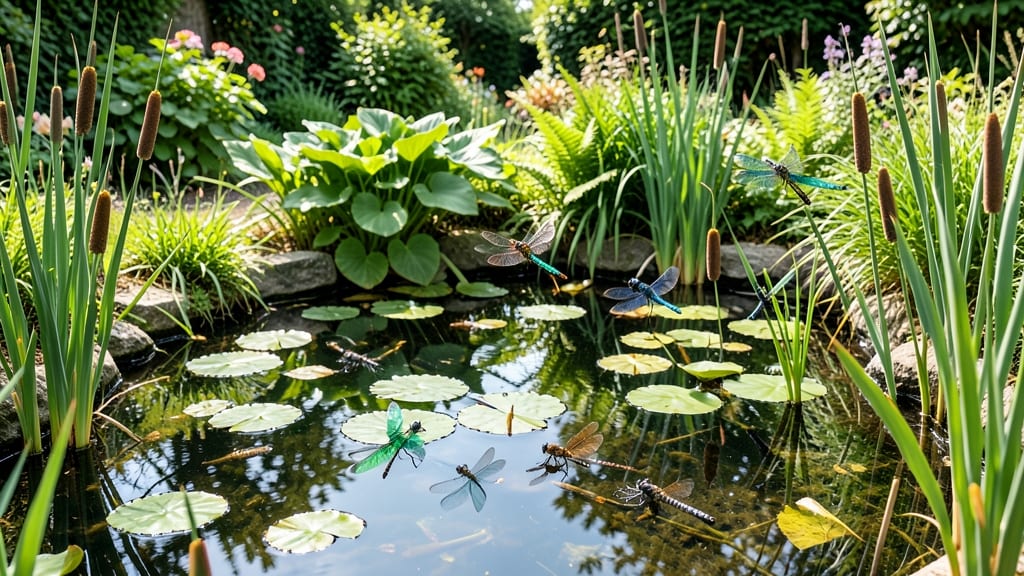
Dragonflies are good for the garden as natural predators, feasting on mosquitoes, flies, and other flying pests while their larvae devour mosquito larvae and gnats in water features or damp soil. Their presence boosts biodiversity and reduces chemical pesticide needs.
Dragonflies act like nature's pest control squad, with adults snatching flying insects mid-air and their aquatic larvae gobbling up mosquito eggs and gnat larvae in standing water. 🌿 This dual-phase hunting makes them far more effective than many chemical alternatives, especially for organic gardeners.
Their presence also encourages other beneficial insects to thrive, creating a balanced ecosystem that naturally keeps pest populations in check.
What's fascinating is how their lifecycle supports this pest control—larvae spend months in water before emerging as winged hunters, so a garden with both water sources and open spaces becomes a dragonfly magnet.
I've seen gardens where dragonfly activity reduced mosquito bites by over 50% during peak summer months, all without any human intervention.
💡 In This Article
- How Dragonflies Act as Biological Pest Control Agents
- Creating a Dragonfly-Friendly Garden Environment
How dragonflies act as biological pest control agents
Dragonflies are nature's flying insect hunters, with adults capable of consuming 50-100 mosquitoes per hour during peak activity. Their hunting technique is fascinating: they use their large, multifaceted eyes to spot prey with 360-degree vision, then snatch it mid-air with their spiny legs.
This aerial acrobatics makes them particularly effective against flying pests like gnats, flies, and even small beetles that plague gardens. 🔥 Their larvae, which live in water for up to two years, are equally voracious—some species can eat 200 mosquito larvae per day.
Their predatory impact extends beyond just mosquito control. Studies show dragonfly larvae in garden ponds can reduce mosquito populations by up to 90% during their growth phase. This two-stage pest control—adults handling flying insects while larvae tackle aquatic pests—creates a comprehensive defense system that chemical sprays simply can't match.
The best part? They're selective predators, focusing on pests rather than beneficial pollinators like bees or butterflies.
What makes dragonflies especially valuable is their role in ecosystem balance. When dragonfly populations thrive, they create a ripple effect: fewer mosquitoes mean fewer diseases for humans, while their hunting pressure keeps other insect populations in check.
This natural regulation reduces the need for chemical interventions that can harm pollinators and beneficial insects. In organic gardening systems, dragonflies often become the cornerstone of integrated pest management strategies.
Their presence also indicates a healthy ecosystem. Dragonflies require clean water and abundant insect prey, so their appearance suggests your garden has reached a balanced state.
Unlike many beneficial insects that need specific plants to thrive, dragonflies adapt to various garden types—from formal landscapes to wild meadows—as long as they have water sources and open hunting spaces. 💫 This adaptability makes them one of the most universally helpful insects for gardeners.
Scientifically, their impact is measurable. Research from the University of Florida found gardens with dragonfly activity showed 30-40% fewer pest insects compared to similar gardens without them.
The key mechanism is their hunting efficiency: dragonflies can process prey 10 times their body weight daily, making them one of nature's most effective pest control agents.
For gardeners concerned about specific pests, dragonflies offer targeted solutions. Their diet includes:
- Mosquitoes: Both adults and larvae target these disease vectors
- Flies: House flies, fungus gnats, and fruit flies are common prey
- Beetles: Soft-bodied beetles and their larvae fall victim
- Aphids: While not their primary food, they'll consume them when available