
Tools
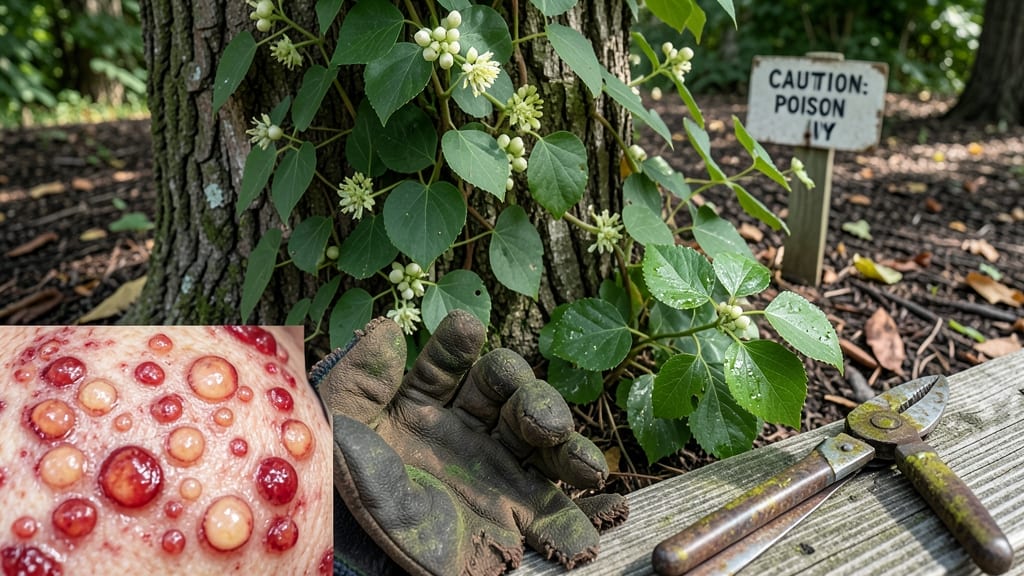
A skin rash after gardening often appears due to plant irritants, bacteria in soil, or insect reactions, causing itchy red patches or bumps. Cleanse the area with mild soap and water right away, apply a cold compress, and use hydrocortisone cream if irritation continues. Stop scratching to avoid infection.
A gardening rash typically develops within minutes to hours after exposure. 🌿 The culprits range from poison ivy's oils to bacteria lurking in garden soil, which can trigger allergic reactions or bacterial infections.
I've noticed that even simple tasks like weeding or handling mulch can cause reactions—especially if you have sensitive skin or existing allergies. For stubborn itching, I keep a small bottle of calamine lotion in my gardening tool belt for quick relief.
Prevention starts with protective gear like gloves and long sleeves, but if you already have a rash, acting fast makes all the difference. 💛 The sooner you cleanse and soothe the skin, the less likely it is to spread or worsen.
For severe cases, I recommend seeing a dermatologist to rule out infections or more serious allergic reactions.
💡 In This Article
- Common Gardening Triggers for Skin Rashes
- Fast Home Remedies for Gardening Rashes
Common gardening triggers for skin rashes
Poison ivy, poison oak, and poison sumac are the most notorious culprits behind gardening rashes, thanks to their urushiol oil. This sticky, colorless compound binds to your skin within 10-30 minutes of contact, triggering an immune response that causes blisters and intense itching.
Even touching contaminated tools or pets can spread the oil, which remains potent for years on surfaces. 🔥 The rash typically appears as red, raised patches that ooze fluid when scratched.
Soil-borne bacteria like Pseudomonas aeruginosa thrive in damp garden beds and can cause hot tub folliculitis—a painful rash with small, pus-filled bumps—when they enter minor skin breaks. These bacteria love moisture, so working in wet soil or wearing sweaty gardening clothes increases your risk.
Insect bites from mosquitoes, chiggers, or spider stings add another layer of irritation, with chiggers embedding into skin to feed on lymph fluid, creating itchy red welts that last 1-2 weeks without treatment.
Stinging nettles deliver a different kind of sting through tiny hair-like structures called trichomes, which inject formic acid—a compound also found in ant venom—into your skin. The immediate burning sensation gives way to red, swollen welts within minutes.
Unlike poison ivy, nettle rashes usually fade within 24-48 hours but can be excruciating during the first few hours. 💛 The key difference is that nettle reactions are purely irritant-based, while plant saps like urushiol trigger allergic responses.
Even seemingly harmless plants can cause reactions. For example, the sap of milkweed contains cardiac glycosides that can irritate sensitive skin, while the spines of cacti often carry bacteria that lead to secondary infections.
The texture of soil itself—especially if it contains high levels of organic matter—can trap irritants and bacteria against your skin, worsening reactions. This is why gardeners who work barehanded in compost piles or mulch are particularly vulnerable to persistent rashes.
Your skin's natural barrier plays a huge role in susceptibility. People with eczema or dry skin have compromised outer layers, making them 30-50% more likely to develop rashes from gardening exposures.
The pH of your skin (typically 4.5-5.5) also matters—alkaline soaps or harsh detergents can strip away protective oils, leaving you more vulnerable to irritants. 🌟 That's why gentle, fragrance-free cleansers work best for post-gardening skin care.
Here's what happens under the microscope: When urushiol oil penetrates your skin, it binds to proteins in your epidermis, creating an antigen that your immune system attacks. This triggers the release of histamine, which causes blood vessels to dilate (redness) and nerves to become hypersensitive (itching).
The process is similar to how your body reacts to bee stings, but the delayed onset (often 12-48 hours) makes it harder to trace the source.