
Tools
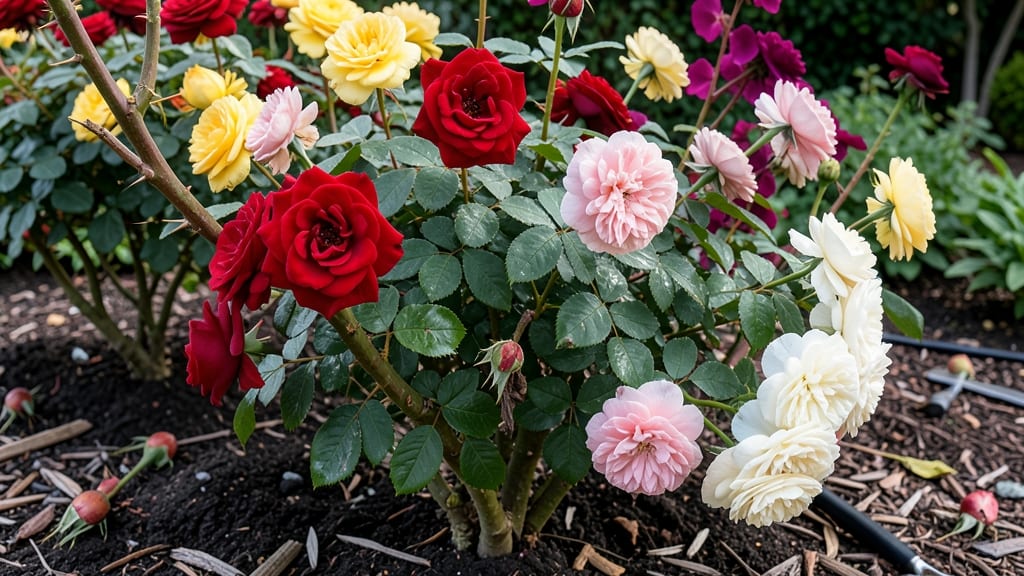
Creating a rose garden at Stanley Park means choosing hardy, coastal-adapted roses like Rosa nutkana, amending the soil with compost for drainage, and arranging beds to capture Vancouver's abundant sun while protecting from salty sea breezes. Arrange plants by bloom season to ensure continuous color from spring through fall.
A rose garden at Stanley Park thrives when you leverage Vancouver's unique microclimates. 🌸 The park's coastal location means you'll need roses that tolerate both salt spray and occasional fog, while still blooming reliably in the mild USDA Zone 8 conditions.
I've found that disease-resistant hybrids like 'Knock Out' roses perform exceptionally well here, as they handle the damp coastal air without developing fungal issues.
The key is to position your beds where they'll receive at least 6-8 hours of sunlight daily, while still benefiting from the natural humidity that reduces watering needs during summer droughts.
What sets Stanley Park gardens apart is the opportunity to incorporate native roses alongside cultivated varieties. 🌿 The Nootka rose (Rosa nutkana), for example, not only survives but thrives in the park's conditions, offering fragrant blooms and wildlife benefits.
When planning your layout, consider creating a "bloom calendar" by grouping early spring roses like 'Iceberg' with late summer varieties such as 'Double Delight' to maintain vibrant color throughout the growing season.
💡 In This Article
- Best Rose Varieties for Stanley Park’s Climate
- Stanley Park-Specific Design and Maintenance Tips
Best rose varieties for Stanley Park’s climate
Stanley Park’s coastal climate—marked by mild winters and damp summers—favors roses that resist fungal diseases like black spot and powdery mildew.
The Nootka rose (Rosa nutkana), a native species, thrives here thanks to its natural resistance to local pests and its ability to handle salt spray from nearby ocean breezes.
This hardy shrub produces delicate pink blooms from late spring to early fall, offering both fragrance and wildlife value by attracting pollinators. 🌿 For cultivated varieties, disease-resistant hybrids like 'Knock Out' roses are ideal—they bloom continuously from spring to frost, with minimal care required.
Color selection matters too. In Vancouver’s USDA Zone 8, cooler coastal nights can delay blooming in heat-sensitive varieties, so opt for cool-tolerant colors like pale pinks ('Iceberg') or deep reds ('Double Delight'). These shades also reflect sunlight better, reducing heat stress on plants during summer.
The key is matching bloom times: early spring roses like 'Bonica' pair well with late-season varieties such as 'The Fairy' to ensure year-round interest. 🌸 What’s often overlooked is the fragrance—many coastal-adapted roses, including 'David Austin' English roses, retain their scent even in humid conditions, enhancing the garden’s sensory appeal.
Soil conditions in Stanley Park’s sandy, acidic soils require amendments to prevent root rot. Incorporate 3-4 inches of compost into the top 12 inches of soil before planting to improve drainage while retaining moisture.
Native roses like Rosa gymnocarpa (wild rose) naturally adapt to these conditions, but cultivated varieties need this boost. Mulch with 2-3 inches of wood chips to regulate soil temperature and suppress weeds, which is especially important in the park’s shaded microclimates where fungal spores thrive.
Another critical factor is pruning timing. In Vancouver’s mild climate, prune roses in early spring (March-April) before new growth begins, removing dead wood and thinning crowded branches. Avoid heavy pruning in fall, as this can stimulate tender new growth vulnerable to winter dampness.
For native roses, minimal pruning is needed—their natural shape supports wildlife habitats, like providing nesting sites for birds. 🐦 This low-maintenance approach aligns with Stanley Park’s focus on sustainable, biodiverse landscapes.
Consider the park’s seasonal transitions when selecting varieties. Early bloomers like 'Julia Child' (spring) transition naturally to summer roses like 'Mister Lincoln' (deep red), while fall varieties such as 'Cinderella' extend the season.
This layered approach ensures your garden remains vibrant even when some roses finish blooming. The result? A dynamic, low-maintenance display that thrives in Stanley Park’s unique conditions.