
Fertilization
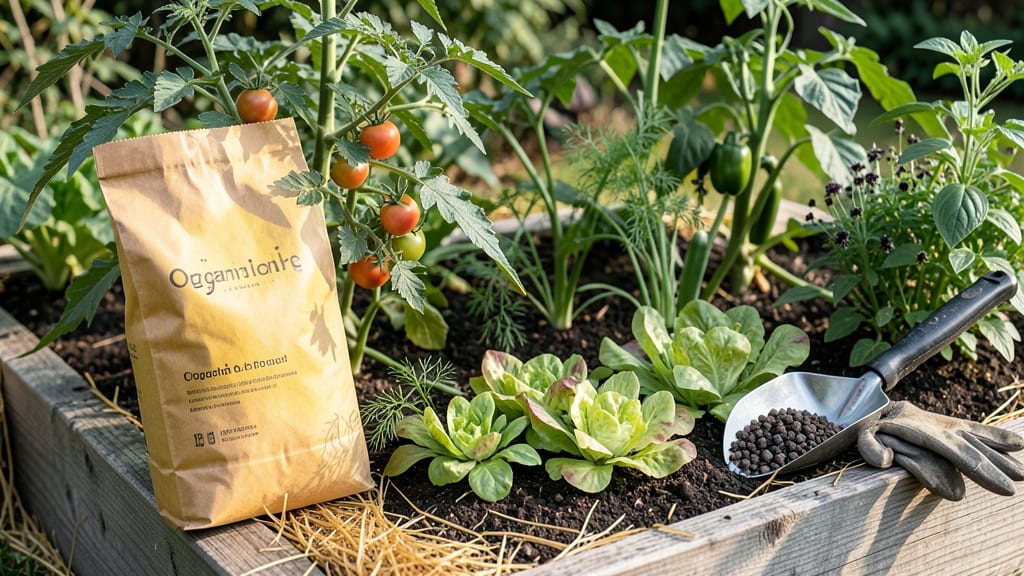
Fertilizing your veg garden at the right times makes all the difference between lush, productive plants and stunted, struggling crops 🥬.
Timing your vegetable garden fertilization can mean the difference between a thriving harvest and struggling plants—so when exactly should you apply fertilizer for maximum results?
Most gardeners overlook the fact that different crops need nutrients at different stages, and applying fertilizer too early or too late can waste money and harm your plants.
In this guide, I’ll break down the best times to fertilize based on plant growth stages, seasonal changes, and even your local climate—so you can feed your garden the right way, every time.
Seasonal fertilization schedule for vegetable gardens by climate zone
Fertilizing your vegetable garden at the right time is like giving your plants a perfectly timed energy boost—too early or too late, and they won’t perform their best. The key lies in understanding your climate zone and aligning fertilization with your plants’ natural growth cycles.
In cool climates (Zones 1-5), spring and fall are your prime fertilization windows, while warm climates (Zones 6-10) focus on late winter through early summer. Let’s break down the exact timing for each season to maximize your harvest.
Most gardeners make the mistake of fertilizing once and forgetting—but vegetables need nutrients at specific stages. For example, leafy greens like lettuce and spinach benefit from light feedings every 3-4 weeks, while heavy feeders like tomatoes and peppers need stronger doses during flowering and fruiting.
Your soil type also plays a role: sandy soils drain nutrients faster, requiring more frequent applications than clay soils. Start by testing your soil in early spring to tailor your schedule.
Now, let’s dive into the seasonal fertilization schedule tailored to your region. Whether you’re in the chilly Pacific Northwest or the sweltering Southeast, these guidelines will help you time your feedings perfectly for spring planting, summer blooming, and fall harvest prep.
Use this as your roadmap to avoid over- or under-fertilizing, and watch your veggies thrive.
In cool climates, your spring fertilization should happen right after the last frost date—usually in early April for Zones 1-5. This timing ensures your plants have the nutrients they need to establish strong roots before the growing season kicks into gear.
For example, if you’re planting broccoli or cabbage in early spring, a balanced fertilizer like 10-10-10 will give them the phosphorus and potassium needed for robust growth. In warm climates,
How to fertilize vegetables at each growth stage (seedling to harvest)
Fertilizing your vegetable garden at the right time isn't just about when—it's about matching your plants' hunger with their growth needs. Seedlings need gentle nourishment, while flowering tomatoes crave phosphorus, and fruiting peppers demand potassium.
Skipping these key stages means missing out on bigger yields and healthier plants. Let's break down the exact moments to feed your veggies for maximum success.
Most gardeners make the mistake of fertilizing only once or twice, but vegetables have five critical growth stages where nutrition makes all the difference. From pre-planting soil prep to post-harvest recovery, each phase requires a different approach.
Understanding these stages helps you avoid over- or under-feeding, which can lead to stunted growth or poor fruit quality.
-
1. Pre-Planting (Soil Prep)
Test soil pH (aim for 6.0-7.0) and amend with compost or balanced fertilizer (10-10-10). Do this 2-4 weeks before planting.
-
2. Early Growth (Seedling Stage)
Use low-nitrogen fertilizer (5-5-5) when seedlings have 2-3 true leaves. Focus on root development.
-
3. Flowering Stage
Switch to phosphorus-rich fertilizer (e.g., 10-20-10) when buds form. This boosts bloom production for tomatoes, peppers, and cucumbers.
-
4. Fruiting Stage
Apply potassium-heavy fertilizer (e.g., 0-10-10) when fruits appear. This improves flavor and disease resistance.
-
5. Post-Harvest (Recovery)
Add compost or organic matter after harvest to replenish soil. Avoid synthetic fertilizers to prevent nutrient buildup.
For example, leafy greens like spinach thrive with nitrogen-rich feedings during early growth but don’t need heavy fertilizing once harvested. Meanwhile, tomatoes and peppers demand phosphorus and potassium shifts as they transition from flowering to fruiting.
Pay attention to your plants' color and growth rate—yellowing leaves often signal a nitrogen deficiency, while weak stems may mean potassium lack.
Organic gardeners can use fish emulsion for early growth or bone meal during flowering, while synthetic users might opt for slow-release granules at planting. Always water fertilizer in thoroughly to prevent root burn.
The key is consistency: feed every 4-6 weeks during the growing season, adjusting for your climate and crop type.
Don’t forget that fall crops like kale need lighter feedings as temperatures drop. Over-fertilizing in late summer can lead to excessive leafy growth at the expense of roots or fruits. By tailoring your approach to each stage, you’ll ensure your veggies grow strong, productive, and delicious.
Pro tip: Keep a gardening journal to track when and how you fertilize. Note which stages your plants respond best to—this helps refine your strategy for next season. Happy growing!