
Vegetables
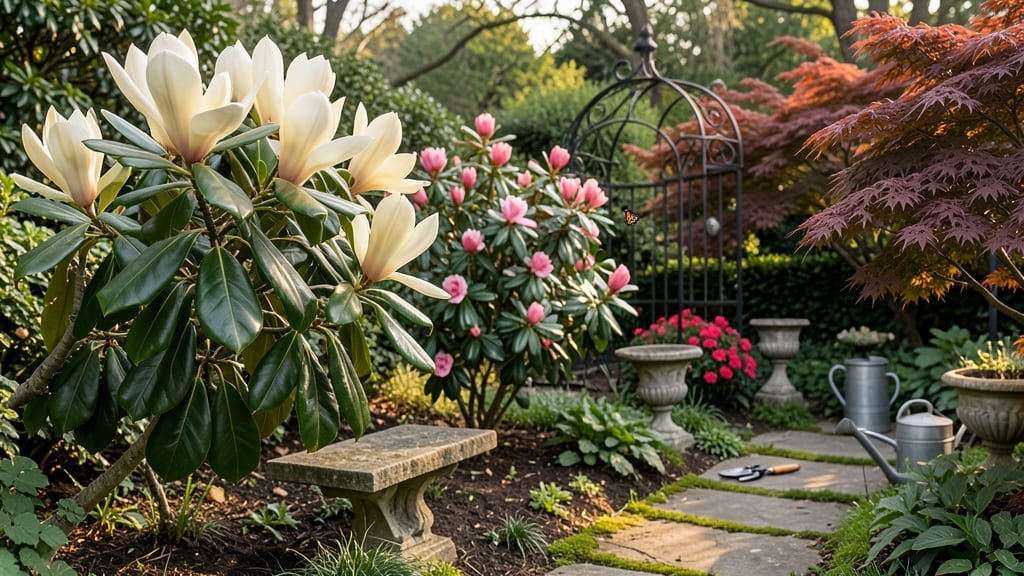
Filoli Gardens in Redwood City, CA, is a stunning 16-acre historic estate that blends meticulously curated gardens, rare botanical collections, and Victorian-era architecture into a breathtaking landscape. Its ever-changing seasonal displays—from vibrant spring blooms to enchanting winter holiday lights—create a magical experience for visitors year-round.
This historic estate isn't just a garden—it's a living museum of California's horticultural heritage. 🌿 The grounds feature over 1,500 plant varieties, including prized rhododendrons and camellias that transform with each season.
What makes Filoli special is how its landscape design tells a story of Victorian-era gardening techniques adapted to the local climate, creating a harmonious blend of history and nature.
The estate's carefully preserved architecture and lush gardens offer something new to discover every visit, whether you're admiring the spring tulips or the festive holiday decorations.
The Victorian-era mansion itself plays a key role in the experience—its grand rooms and historic interiors provide context for the gardens' design philosophy. 🏡 Guided tours often highlight how the original owners, William and Lillian Bohannon, cultivated their collection over decades, creating what's now considered one of Northern California's most significant garden estates.
This combination of natural beauty and architectural history makes Filoli more than just a garden visit; it's a journey through time and horticultural artistry.
💡 In This Article
- Filoli Gardens’ Historic Plant Collections and Landscape Design
- Seasonal Visitor Guide: Events, Blooms, and Best Times to Explore Filoli
Filoli gardens’ historic plant collections and landscape design
Filoli's garden design is a masterclass in Victorian-era horticulture adapted to Northern California's unique microclimate. The estate features over 1,500 plant varieties, including 200+ rhododendrons and 150 camellias, many of which were introduced during the 1920s-30s when the Bohannon family actively expanded their collection.
The landscape architecture follows the "picturesque" style popular in Victorian England—winding paths, layered plantings, and strategic viewpoints that create ever-changing perspectives as you explore. This approach wasn't just aesthetic; it was practical too, as the varied elevations (from 30 to 100 feet) create distinct microclimates perfect for different species.
The rhododendrons, for example, thrive in the cooler, shaded areas near the mansion, while sun-loving magnolias and azaleas dominate the south-facing slopes. 🌸 What's particularly fascinating is how the gardeners maintain this delicate balance—using organic mulch to regulate soil temperature and drip irrigation systems that deliver water precisely where needed.
The camellias, which bloom from fall through winter, were carefully selected for their cold tolerance, allowing them to flourish in Redwood City's mild but occasionally chilly winters. This thoughtful curation ensures each season brings a different star plant, from spring's tulips and daffodils to winter's holly and pine displays.
What makes Filoli's design so remarkable is how it tells California's horticultural story. The estate was one of the first in the region to experiment with Japanese maples and Chinese dogwoods, trees that became staples in West Coast gardens.
The 1-acre formal garden near the mansion, with its geometric patterns and clipped hedges, contrasts beautifully with the more naturalistic woodland garden beyond—showcasing how Victorian gardeners blended structure with wild beauty. This duality reflects the era's philosophy of "cultivated nature," where every plant had both ornamental value and ecological purpose.
The seasonal transformations are what truly bring the landscape to life.
In spring, the 20,000+ bulbs planted across the grounds create a sea of color that lasts for weeks, while summer brings the roses and hydrangeas to full bloom. 🌿 Autumn transforms the estate into a fiery palette of maple leaves and chrysanthemums, and winter maintains the magic with evergreens and holiday lights.
Each plant was chosen not just for its beauty, but for how it interacts with others—creating a living ecosystem that's both visually stunning and ecologically balanced. The result is a garden that feels timeless, yet always fresh and evolving.
One often-overlooked feature is the topiary collection, which includes rare specimens like the 30-foot-tall yew tree shaped into a spiral. These living sculptures were meticulously trained over decades, demonstrating the patience and skill required to maintain Filoli's historic standards.
The gardeners here follow 1930s-era techniques where possible, using hand tools and organic methods to preserve the estate's authenticity.
This dedication to historical accuracy extends to the 16-acre woodland garden, where native plants like coast live oak and toyons coexist with imported species, creating a harmonious blend of local and exotic flora.
For visitors, this means every walk through Filoli reveals something new about both horticulture and history.
The rhododendron collection, for instance, includes varieties from China, Japan, and the Himalayas, each with its own blooming window and cultural significance. 🌺 Understanding these connections adds depth to the experience—knowing that the Satsuki azaleas you're admiring were first cultivated in Japan during the Edo period, or that the camellias were introduced to California by early Spanish settlers.
This layering of stories is what makes Filoli's gardens so much more than just beautiful—they're a living archive of botanical exploration and landscape design.