
Tools
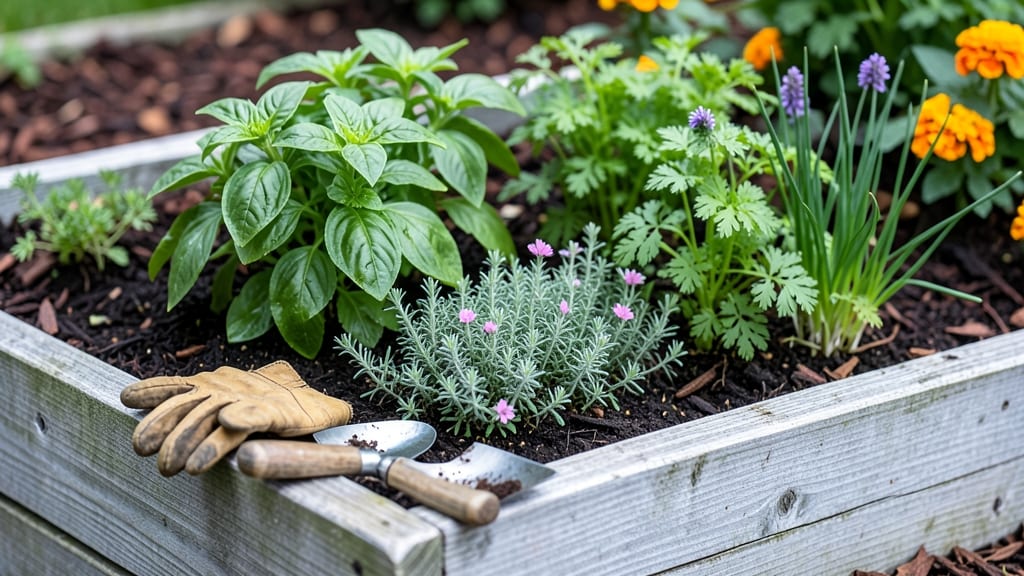
A raised patio garden bed creates ideal growing conditions by stacking layers of breathable materials—like landscape fabric, coarse sand, and nutrient-rich soil—in a 6- to 12-inch-deep frame, which prevents waterlogging while keeping roots oxygenated and healthy.
A raised patio garden bed isn't just about aesthetics—it's a game-changer for small-space gardening. 🌱 The layered approach prevents soggy roots by allowing excess water to drain while retaining moisture for delicate plants.
I've found that adding a 4-inch layer of compost at the bottom boosts fertility without compacting the soil, perfect for herbs like basil or lettuce that thrive in shallow beds. The key is balancing drainage with moisture retention, especially in hot climates where evaporation happens fast.
The beauty of this system is its adaptability. You can adjust layer depths based on your plants' needs—deeper for root crops like radishes, shallower for leafy greens. Bio-degradable options like straw or coconut coir make it easy to refresh the bed each season without heavy lifting.
For patio setups, I always recommend lightweight materials to avoid straining your outdoor space while maximizing growing area.
💡 In This Article
- How to Build a Drainage-Focused Raised Bed Layering System
- Best Plants for Small-Space Raised Patio Gardens
How to build a drainage-focused raised bed layering system
At the core of a well-functioning raised patio bed is the bottom barrier layer, which prevents soil loss while allowing water to escape.
I start with a thick sheet of landscape fabric (3-4mm) or cardboard (3+ layers) to block weeds and pests, but here's the trick: leave 1-inch gaps along the edges to let excess water drain freely. This prevents hydroponic conditions that suffocate roots.
For extra aeration, I add a 2-inch layer of coarse gravel or perforated drainage pipes at the very bottom—this creates air pockets that roots crave, especially for shallow-rooted herbs like thyme or chives.
The next layer focuses on moisture retention without waterlogging. A 4-inch mix of coconut coir and compost works wonders—coconut coir holds 3-4 times its weight in water while breaking down slowly, while compost adds nutrients without compacting.
For heavier soils, I blend in vermiculite (which holds moisture but drains fast) to maintain that perfect balance.
The science here is simple: porous materials like these create tiny air channels that prevent anaerobic (oxygen-free) zones where roots rot. 🌱 This is why your patio bed stays lush even during dry spells.
Now for the soil layer, where plant health truly thrives. I use a 6-inch blend of topsoil, peat moss, and perlite (50/30/20 ratio) for most herbs and greens. The peat moss retains moisture while the perlite keeps things fluffy—this combo mimics the loose, airy texture of forest floor soil.
For deeper-rooted plants like carrots, I extend this to 8-10 inches. The key measurement here is pH balance: most patio plants prefer 6.0-7.0, so I test my mix before planting.
A simple DIY test with baking soda (drop some in water, add soil—fizz means alkaline, no fizz means acidic) helps adjust with lime or sulfur.
Don't overlook the top dressing—a 1-inch layer of straw or wood chips on the surface regulates temperature swings and reduces evaporation. This is especially critical in patio settings where afternoon sun can turn soil into a dry, cracked wasteland.
For extra insurance, I mulch with composted leaves in fall, which break down slowly and add nutrients. The texture difference here is night-and-day: bare soil feels like baking in the sun, while mulched soil stays cool and moist, perfect for tender greens like spinach.
Pro tip: Adjust layer depths based on plant needs. Root crops like radishes need 8-10 inches of loose soil, while shallow herbs like parsley thrive in 4-6 inches. I mark my bed with wooden stakes showing depth zones—this prevents overcrowding and ensures each plant gets optimal growing space.
For patio efficiency, I always leave 2-3 inches of headspace at the top to accommodate seasonal soil settling. This small margin makes a huge difference when you're working with limited vertical space.
What most people miss is the seasonal refresh. Every spring, I replace the top 2 inches of soil with fresh compost to maintain fertility. The old layers break down naturally, but this top-up keeps nutrients cycling without overwhelming the system.
It's like giving your patio garden a spa day—renewed energy without the hassle of full rebuilds. 💫