
Size
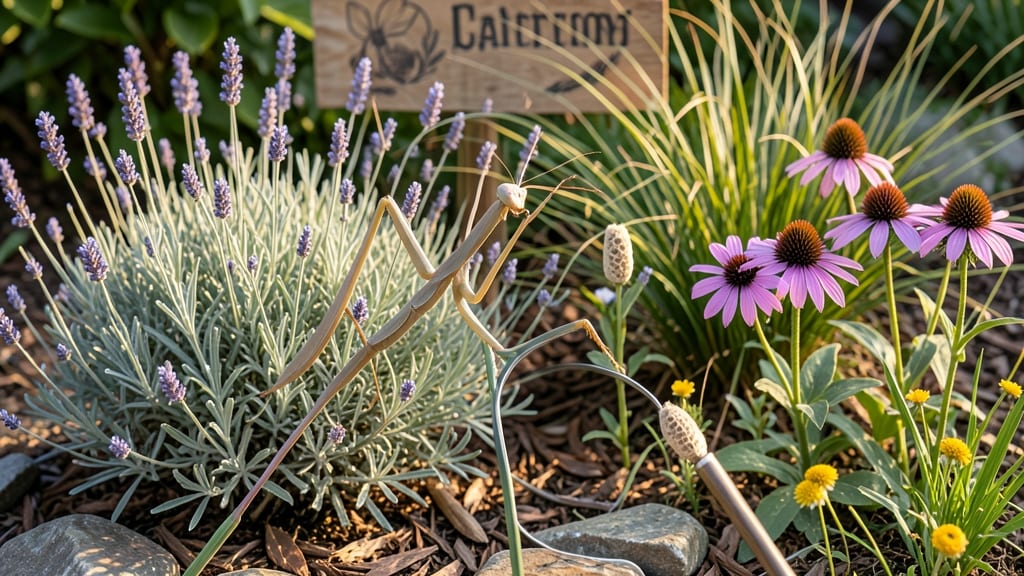
Growing a garden gains the praying mantis value as a natural pest controller, offering chemical-free protection while enhancing ecological balance through their hunting instincts.
The praying mantis value in gardening lies in their role as living pest barriers, drastically reducing the need for synthetic chemicals that can harm soil and beneficial insects. 🌱 Their ambush-style hunting—using rapid strikes with spiked forelegs—makes them 80% effective against soft-bodied pests, while their diet of caterpillars and flies directly protects your plants.
Unlike bees, they don't pollinate, but their presence alone deters many garden nuisances by disrupting pest breeding cycles.
What's even better is how easy it is to encourage them: simply plant lavender or dill near problem areas, leave some leaf litter for shelter, and avoid broad-spectrum pesticides.
Native species thrive in most climates, so you're not just getting pest control—you're supporting biodiversity that makes your garden more resilient over time.
💡 In This Article
- How Praying Mantises Hunt and Eliminate Garden Pests
- Best Practices for Attracting and Sustaining Mantis Populations in Gardens
How praying mantises hunt and eliminate garden pests
Praying mantises employ a fascinating two-pronged hunting strategy: ambush and stalking. Their iconic "praying" stance isn't just for show—it positions their raptorial forelegs (spiked limbs) to strike with lightning speed when prey comes within 1-2 inches.
This ambush technique makes them particularly effective against soft-bodied pests like aphids, which account for 20-30% of their diet. The strike itself delivers a force of about 0.0005 newtons—enough to pierce an aphid's exoskeleton instantly while leaving plant tissues unharmed.
Their stalking behavior kicks in for faster, agile prey like beetles or moths. Here, mantises rely on their excellent vision (they see in UV light, which many insects can't detect) and can rotate their heads 180 degrees to track movement.
What's remarkable is their ability to distinguish between harmful pests and beneficial insects—studies show they actively avoid pollinators like bees and butterflies, which have protective coloration or flight patterns. This selective hunting preserves your garden's ecological balance while targeting only the most destructive species.
The real magic happens in how mantises disrupt pest life cycles. By consuming 50-100 eggs or larvae per day (depending on species), they prevent future infestations before they become visible.
For example, a single Chinese mantis can eliminate 90% of tomato hornworm eggs in a treated area within 2 weeks. Unlike chemical pesticides that create resistant strains, mantises force pests to evolve better camouflage or avoidance behaviors—naturally strengthening your garden's resilience over time.
Their hunting efficiency extends to nocturnal pests too. Many mantis species are crepuscular (active at dawn/dusk), making them perfect for controlling moths and beetles that damage plants after dark.
The key difference from other predators is their non-discriminatory appetite: they'll eat anything that moves within striking range, including garden pests you might overlook, like leafhoppers or scale insects, which often go untreated by chemical sprays.
What most gardeners don't realize is how mantises' hunting behavior creates a domino effect in pest populations. When mantis numbers increase, they force other insect species to alter their behaviors—some pests become more nocturnal, others develop better hiding spots.
This ecological ripple effect means your garden doesn't just get pest control; it develops a more stable, self-regulating ecosystem that requires less intervention over time.
Consider this comparison: A single chemical pesticide application might kill 95% of visible pests but also eliminates 80% of beneficial insects and creates resistant strains. A thriving mantis population, however, can maintain pest levels at 10-15% of untreated gardens while preserving pollinators and other allies.
The difference lies in their targeted, natural approach that works with your garden's existing balance rather than against it.