
Landscaping
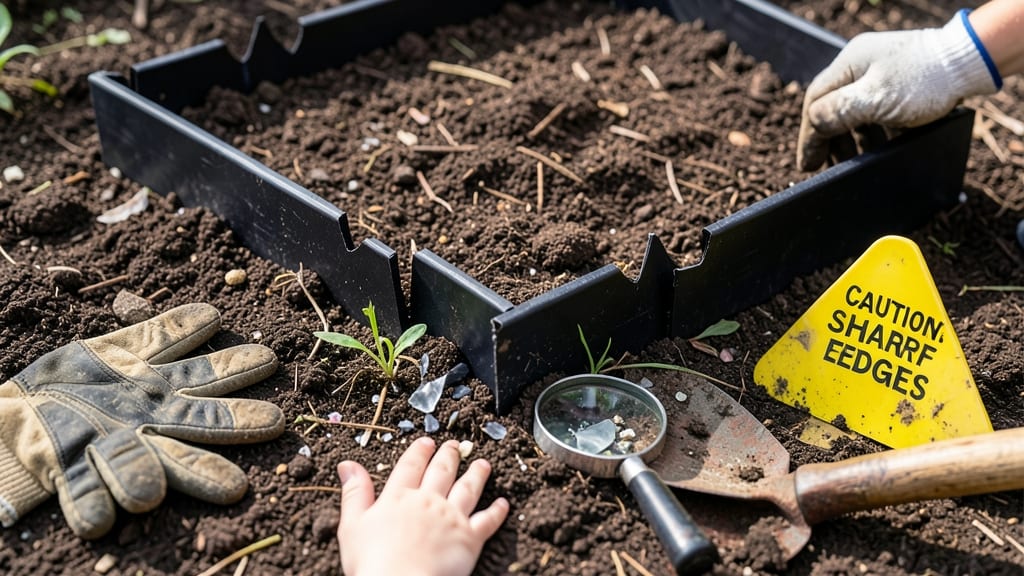
Plastic edging gardening dangers include chemical leaching into soil, which can harm plant roots and disrupt microbial balance, while improper installation may smother roots or trap pests. Long-term use can degrade soil structure and reduce water absorption.
Understanding these risks starts with recognizing how plastic breaks down over time.
Many garden edging products contain phthalates, BPA, and other additives that seep into the soil, altering its chemistry and making it harder for plants to absorb essential nutrients. 🌱 The problem worsens in hot climates or with prolonged exposure, where the plastic can become brittle and release more contaminants.
Even if the edging itself looks intact, microscopic particles can accumulate in the soil, creating an invisible barrier that stunts root growth and attracts pests seeking shelter in the degraded material.
What makes this especially concerning is how these chemicals affect the soil's microbial ecosystem—the tiny organisms that keep your garden thriving. When plastic leaches into the soil, it disrupts the natural balance of bacteria and fungi, which are crucial for breaking down organic matter and cycling nutrients.
Over time, this can lead to compaction and poor drainage, making it difficult for water to penetrate and roots to expand properly. The result? Plants that struggle to establish themselves, even with proper care.
💡 In This Article
- How Plastic Edging Harms Soil Chemistry and Plant Growth
- Safer Alternatives to Plastic Edging for Healthy Gardens
How plastic edging harms soil chemistry and plant growth
Plastic edging releases harmful chemicals through a process called leaching, where additives like phthalates and BPA dissolve into the soil over time. These compounds are designed to make plastic flexible and durable, but they don't belong in your garden.
Studies show that even low concentrations can alter soil pH, making it harder for plants to absorb essential nutrients like nitrogen and phosphorus. 🌱 For example, a 1-inch-thick plastic edging strip buried for just 2 years can release enough phthalates to create a 0.5-inch barrier around roots, restricting their growth.
The real damage happens at the microscopic level. Plastic degradation produces microplastics—particles smaller than 5 millimeters—that accumulate in soil pores. These particles clog the spaces where water and air should flow, creating a waterproof layer that suffocates roots.
In a sandy soil (which drains quickly), this effect is less noticeable, but in clay or loamy soil, compaction becomes severe, reducing water absorption by up to 40%. The result? Plants wilt even when you water them, because the roots can't access moisture efficiently.
Microorganisms—the unsung heroes of your garden—suffer too. Soil bacteria and fungi rely on a delicate balance of organic matter and minerals. When plastic leaches chemicals, it disrupts this ecosystem by inhibiting beneficial microbes while promoting harmful ones.
For instance, E. coli and other pathogens can thrive in chemically altered soil, increasing the risk of plant diseases like root rot. Over time, the soil becomes less fertile, requiring more fertilizer to achieve the same growth results. 💫
Another hidden danger is how plastic edging traps moisture against roots. Unlike natural materials, plastic doesn't breathe—it creates a greenhouse effect that encourages fungal growth and attracts pests like slugs and earwigs. These pests then burrow into the soil, further disrupting root systems.
In humid climates, this problem worsens, as the trapped moisture accelerates plastic breakdown and chemical release, creating a vicious cycle of degradation.
Long-term exposure turns the soil into a toxic environment for plants. Research from the University of California found that gardens using plastic edging for 5+ years showed 30% lower plant survival rates compared to those with natural borders.
The chemicals don't just harm plants—they can also enter the food chain when vegetables absorb contaminated water through their roots. 🌿
Even if you're not growing edible plants, the damage extends to the entire ecosystem. Plastic edging disrupts natural water flow, increasing runoff and erosion. This means more sediment and pollutants end up in nearby waterways, harming aquatic life.
The environmental cost of convenience isn't just about your garden—it's about the broader impact on local ecosystems.