
Advice
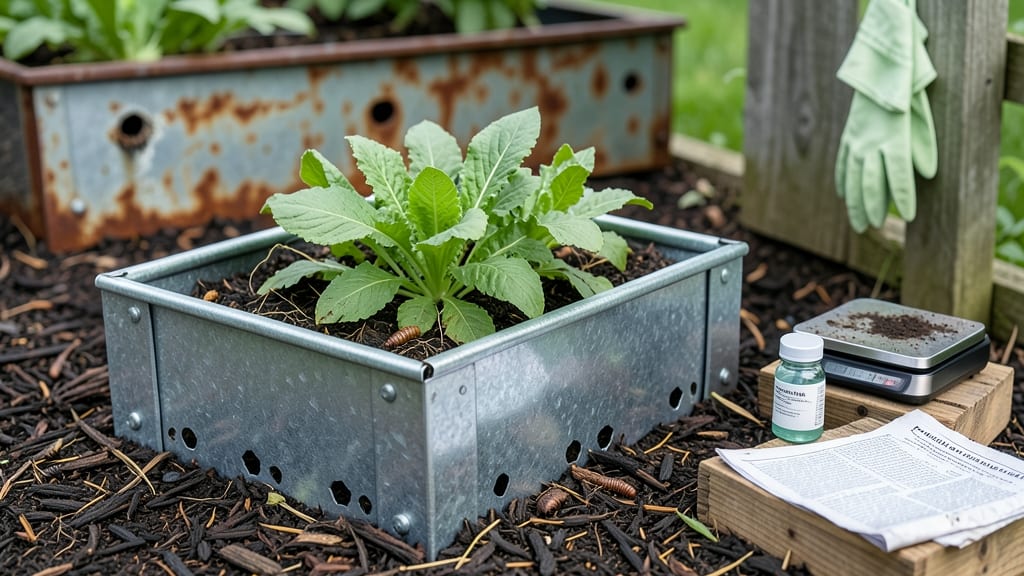
Metal raised garden beds can be safe when built with food-grade materials like galvanized steel, stainless steel, or coated aluminum, but poor-quality coatings or acidic soil conditions may release harmful chemicals into your plants. Always verify material safety and maintain proper soil pH to prevent contamination.
Metal raised garden beds are a popular choice for their durability and heat retention, but safety depends entirely on the materials used. 🌱 The biggest concern is chemical leaching—some metals like galvanized steel contain zinc coatings that can degrade over time, especially in acidic soil.
Even stainless steel isn't risk-free if it's not the food-grade 304 or 316 varieties. I recommend testing your soil annually, as pH levels below 6.0 can accelerate corrosion and increase the risk of toxins seeping into your plants' roots.
For peace of mind, opt for pre-treated metals with certifications or DIY kits that specify non-toxic coatings. Proper drainage and a layer of landscape fabric can also help contain any potential contaminants.
The key is balancing convenience with long-term plant health—metal beds can last decades if maintained correctly, but neglect turns them into a hidden hazard.
💡 In This Article
- Potential Risks of Metal Garden Beds for Soil and Plants
- Safe Metal Raised Garden Bed Materials and Setup Tips
Potential risks of metal garden beds for soil and plants
The primary concern with metal raised garden beds is corrosion, which releases harmful chemicals into the soil. Galvanized steel, for example, uses a zinc coating that can degrade over time—especially in acidic soil (pH below 6.0)—and leach zinc into the root zone.
Studies show that excess zinc can inhibit plant nutrient uptake, particularly phosphorus and iron, leading to stunted growth or yellowing leaves. 🌱 The process starts when moisture and oxygen break down the zinc layer, creating soluble zinc ions that plants absorb through their roots.
Cadmium is another toxin to watch for, often found in low-grade metals or improperly recycled materials. This heavy metal accumulates in plant tissues and can enter the food chain when harvested.
The EPA sets a soil cadmium limit of 3 mg/kg for agricultural use, but some metal beds exceed this when corroded. Acidic soils accelerate this process because they increase the solubility of metals—think of it like rust eating through a car frame, but underground where plants can't escape the fallout.
Even stainless steel isn't risk-free if it's not the right grade. Cheap stainless steel (like 200-series) contains nickel, which can leach in acidic conditions. Food-grade 304 or 316 stainless steel resists corrosion better, but over time, microscopic pitting can still occur.
The key is understanding that no metal is completely inert—it's about minimizing exposure through proper material selection and soil management.
Soil pH plays a critical role in chemical leaching. While acidic soils (pH <6.0) dissolve metals faster, alkaline soils (pH >8.0) can also cause issues by forming insoluble metal hydroxides that block root uptake of essential nutrients. For example, a pH of 7.5 might prevent zinc from leaching but could lead to iron deficiency in plants.
Regular soil testing every 1-2 years helps you adjust pH with lime (to raise) or sulfur (to lower) before corrosion becomes a problem.
Long-term exposure to leached metals can also harm beneficial soil microbes. Earthworms, for instance, are sensitive to zinc and cadmium—studies show their populations decline by 40-60% in contaminated soils. These creatures are vital for aeration and nutrient cycling, so their absence reduces soil fertility.
The ripple effect means even if your vegetables look fine, the hidden damage to soil health could reduce yields over time.
Visual signs of metal corrosion in garden beds include rust spots, white powdery residue (zinc oxide), or discolored soil near the metal edges. If you notice these, it's time to test your soil for heavy metals using a lab kit (available for $20-$50).
Early detection lets you replace contaminated soil or switch to safer materials before your plants show symptoms like poor growth or unusual leaf patterns.