
Planting
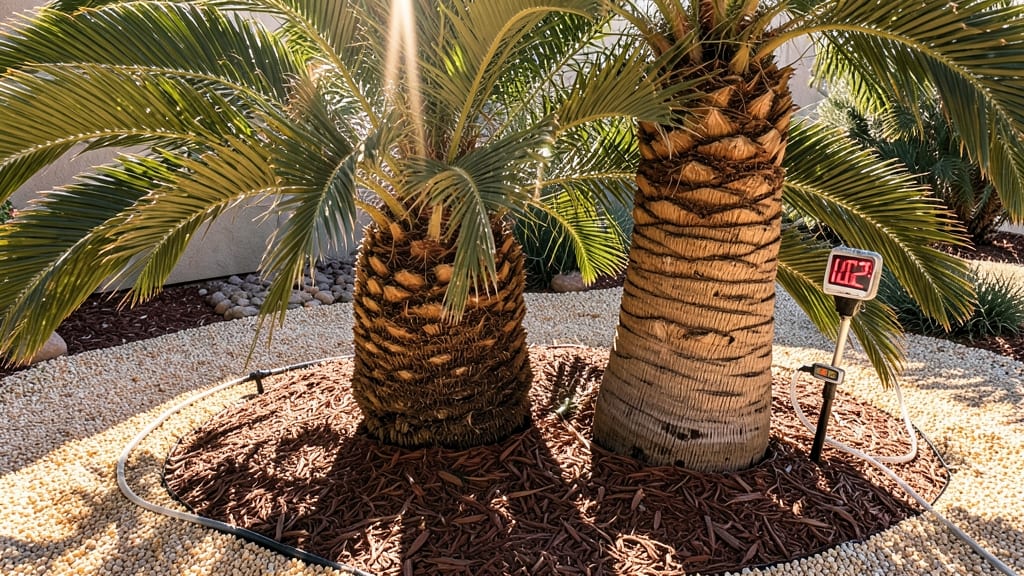
Gardening in Phoenix means working within USDA Hardiness Zones 9b-10a, where scorching summers, low humidity, and intense sun demand careful plant selection. Microclimates—from shaded city blocks to sunbaked desert foothills—create unique growing conditions that require tailored approaches to thrive.
Phoenix's extreme climate—with average winter lows dipping to 25°F in Zone 9b and rarely below 30°F in Zone 10a—means frost-sensitive plants like citrus and bougainvillea need winter protection. 🌵 The real challenge?
Microclimates can shift conditions dramatically: a north-facing yard might stay 10°F cooler than a south-facing desert slope, while urban heat islands trap heat like an oven.
I’ve seen palo verde trees thrive in full sun where olive trees struggle just a few blocks away—it’s all about matching plants to their microclimate’s specific heat and water needs.
For example, Zone 9b gardeners can grow lemon trees outdoors year-round, while Zone 10a residents might need to protect them with frost cloth. The key is observing your space: note where water pools, which areas stay dry, and how sunlight shifts throughout the day.
Even small adjustments—like mulching heavily in summer or choosing shade-tolerant succulents—can mean the difference between a struggling plant and a lush, low-maintenance garden.
💡 In This Article
- USDA Zone 9b vs 10a: Phoenix’s Heat Tolerance Limits Explained
- Phoenix Microclimate Planting: Shade, Elevation, and Soil Hacks
USDA Zone 9b vs 10a: Phoenix’s heat tolerance limits explained
The USDA Zone distinction between 9b and 10a in Phoenix comes down to average minimum winter temperatures.
Zone 9b experiences lows of 25-30°F, while Zone 10a rarely drops below 30°F—a seemingly small difference that dramatically impacts plant survival. 🌡️ What most gardeners overlook is how these zones interact with Phoenix's extreme summer heat, where temperatures frequently exceed 110°F for months.
The USDA map doesn't account for these heatwave extremes, which can stress even heat-tolerant plants when combined with low humidity (often below 20%).
Here's the science: Plants in Zone 9b face higher frost risk, requiring cold-hardy varieties like Mexican sycamore trees or desert willow shrubs, which can tolerate brief dips to 20°F.
Zone 10a, meanwhile, supports tropical plants like citrus and bougainvillea year-round, but even these need protection during rare cold snaps. The real challenge? Phoenix's 100+ days above 100°F annually—far more than the USDA zones suggest.
This extreme heat forces gardeners to prioritize shade, mulch, and deep watering to prevent root stress.
What this means for your garden: If you're in Zone 9b, focus on drought-resistant natives that handle temperature swings, while Zone 10a gardeners can experiment with more tropical species. The key is matching plants to your specific microclimate's heat duration, not just minimum temps.
For example, a palm tree might thrive in Zone 10a's full sun but struggle in Zone 9b's cooler nights unless given extra protection. 🌵
Don't rely solely on the USDA map—local factors like elevation and urban heat islands create microclimates that can shift conditions by 10°F or more.
A backyard at 2,000 feet elevation might experience cooler nights than one at 1,000 feet, while paved urban areas can trap heat like an oven. This is why I recommend testing your microclimate: Use a minimum/maximum thermometer for a full year to understand your true growing conditions.
For practical planting: Zone 9b gardeners should prioritize agave, yucca, and mesquite, while Zone 10a can safely grow hibiscus, plumeria, and avocado trees. The difference? Zone 10a plants handle consistent warmth, while Zone 9b varieties endure temperature fluctuations.
Even within these zones, soil type plays a role—sandy desert soils drain quickly, while urban areas may have compacted, heat-retaining soils that require amendments like compost or perlite.
Pro tip: Use mulch depth (3-4 inches) to regulate soil temperature and retain moisture. In Zone 9b, apply mulch in late fall to protect roots from winter chill, while Zone 10a gardeners should mulch in early summer to shield roots from extreme heat.
The right mulch—like gravel for desert plants or organic matter for tropicals—can mean the difference between a thriving garden and a struggling one.