
Light Requirements
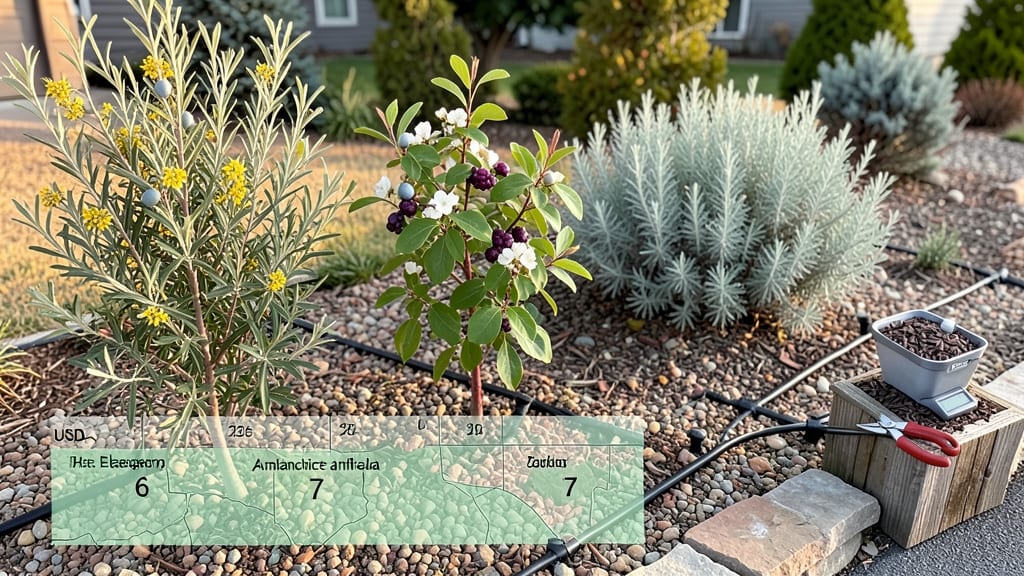
Boise, Idaho's gardening zone is primarily USDA Hardiness Zones 6a and 6b, with winter lows typically ranging from -5°F to 5°F (-21°C to -15°C)**, though localized conditions can create variations of up to one full zone.
Understanding Boise's gardening zone is key because its elevation—ranging from 3,200 to 4,500 feet—creates distinct microclimates.
Urban areas often experience heat island effects, pushing zones closer to 7a, while higher elevations may drop to 5b. 🌿 For example, plants like Russian olive thrive in colder pockets, while heat-loving lavender might struggle in shaded valleys.
The last spring frost typically occurs around April 15, but tracking local data helps fine-tune planting schedules.
This zone variation means gardeners should research specific neighborhoods—southern exposures warm faster, while north-facing yards stay cooler. Cold-hardy perennials like coneflowers and daylilies adapt well, while tropical plants need container growing or winter protection. The Boise Botanical Garden's plant database is a great resource for zone-specific recommendations.
💡 In This Article
- How Boise’s Elevation and Urban Heat Affect Plant Hardiness
- Adjusting Plant Selection for Boise’s Unique Microclimates
How Boise’s elevation and urban heat affect plant hardiness
Boise’s gardening zone complexity stems from its dramatic elevation changes—spanning from 3,200 feet in the city center to 4,500 feet in nearby hills. Every 1,000-foot increase typically drops the USDA zone by 0.5 to 1 level due to thinner air and colder nights.
For example, a yard at 3,500 feet might experience Zone 6a conditions, while a hillside at 4,200 feet could face Zone 5b temperatures. This gradient explains why some Boise neighborhoods feel like two different climates just miles apart. 🌡️
The urban heat island effect further complicates things. Downtown Boise’s concrete and buildings absorb and radiate heat, creating microclimates that can push zones toward 7a—up to 5°F warmer than surrounding rural areas.
Meanwhile, river valleys like the Boise River Greenbelt stay cooler due to moisture retention, delaying spring planting by 1-2 weeks. These variations mean gardeners should test their specific yard’s conditions using low-tech tools like frost clocks or high-tech solutions like soil thermometers for precise data.
Last-frost dates vary wildly too. While Boise’s official average last frost is April 15, hillside gardens may see frost as late as May 1, while urban heat islands might be frost-free by April 1.
The Boise Airport weather station (elevation 2,500 feet) shows different patterns than Meridian’s higher elevations—just 10 miles apart. This is why local gardeners swear by tracking National Weather Service frost alerts and using frost blankets for early spring plantings.
Wind patterns add another layer. The Treasure Valley’s prevailing westerlies create windy conditions that dry out plants faster, while sheltered yards near buildings or fences develop microclimates with 10% higher humidity.
This explains why some gardeners in Zone 6a successfully grow Zone 5 plants like shrub roses that wouldn’t survive in exposed areas. The key is observing how your specific yard behaves—especially during radiation frosts (clear nights with calm winds) that can drop temperatures 10°F faster than official forecasts predict.
For practical application, consider these elevation-based adjustments:
- Below 3,500 ft: Focus on Zone 6b plants like peony bushes and Russian sage
- 3,500–4,000 ft: Mix Zone 6a/6b with cold-hardy Zone 5b options like columbine
- Above 4,000 ft: Prioritize Zone 5b plants such as wintergreen boxwood