
Tools
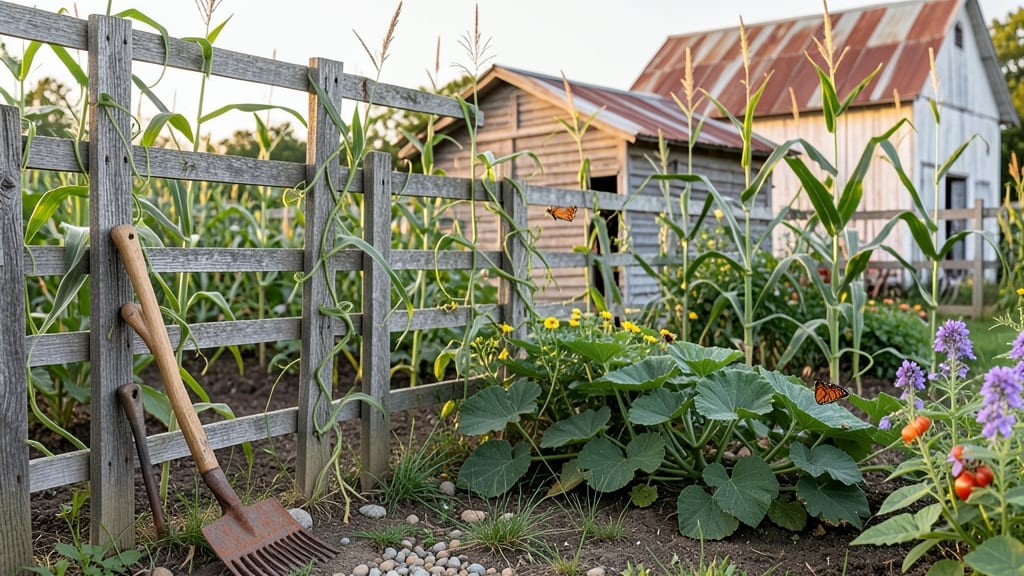
Starting an NH farm and garden requires checking local zoning laws and soil testing first, then selecting suitable crops for New Hampshire’s climate zones, followed by proper soil amendments like compost or lime for optimal growth. Permits may apply for livestock or commercial sales.
New Hampshire's diverse climate zones—from cold northern regions to milder southern areas—mean you'll need to tailor your planting choices to your specific location. 🌱 For instance, blueberries thrive in the state's naturally acidic soils, while vegetables like kale and carrots prefer slightly alkaline conditions.
I always recommend testing your soil in early spring to give yourself time to amend it before the growing season begins. Many local agricultural extensions offer free or low-cost soil testing kits, making it easier to get started.
Don't overlook the legal side either—some towns have specific rules about livestock or even the size of your garden plot. For example, if you're planning to sell produce at farmers' markets, you'll likely need a food handler's permit.
Checking with your town clerk or the NH Department of Agriculture upfront saves headaches later. I've seen beginners skip this step and face fines or delays when they're ready to harvest.
💡 In This Article
- New Hampshire Zoning Laws and Permits for Farming
- Soil Preparation for NH Crops: Testing and Amendments
Soil preparation for NH crops: testing and amendments
New Hampshire's soils are naturally acidic, especially in the northern regions where pH levels often drop below 5.0—far too low for most vegetables.
This acidity comes from the state's granite bedrock and heavy rainfall, which leaches essential nutrients like calcium, magnesium, and phosphorus. 🌱 For example, blueberries thrive in this environment (ideal pH 4.5-5.5) but most vegetables need a neutral to slightly acidic range (6.0-7.0).
That's why testing is your first critical step—use a soil test kit from UNH Cooperative Extension, which costs around $15 and includes detailed nutrient analysis.
The most common amendments for NH soils are lime (to raise pH) and sulfur (to lower it).
For vegetable gardens, agricultural lime (calcium carbonate) is typically applied at 50-100 pounds per 1,000 square feet, depending on current pH. Spread it in fall or early spring and till it into the top 6 inches of soil.
Organic options like wood ash work too (about 20 pounds per 100 square feet) but require careful application—too much can make soil alkaline. 🌿 For acidic-loving crops like blueberries, never amend with lime; instead, add organic matter like pine needles or peat moss to maintain acidity.
Nutrient deficiencies are another challenge in NH soils. A typical soil test will show low levels of phosphorus and potassium, which are essential for root development and fruiting. Apply 5-10-10 fertilizer (5% nitrogen, 10% phosphorus, 10% potassium) at planting time, then top-dress with compost in mid-season.
The state's short growing season (120-150 days in most areas) means timing matters—start amendments in early spring when soil temperatures reach 45°F to allow microbial activity to break down organic matter before planting.
Seasonal planting timelines vary dramatically across NH's climate zones. In southern regions (Zone 5b), you can start cool-season crops like spinach and peas in early March, while northern areas (Zone 4a) wait until mid-April.
Warm-season crops like tomatoes need soil temperatures above 55°F before transplanting, which typically happens around Memorial Day in most of the state. I've found that using black plastic mulch can warm soil 5-10°F faster in early spring, extending the growing season by 2-3 weeks—a game-changer for NH farmers.
One nuance often overlooked is the role of mycorrhizal fungi in NH soils. These beneficial microbes form symbiotic relationships with plant roots, improving nutrient uptake—especially important in the state's rocky, low-organic-matter soils.
You can introduce them by planting cover crops like clover or vetch in fall, then tilling them under before spring planting. 🌱 Another tip: Avoid over-tilling, as NH's thin topsoil can become compacted, reducing root penetration. Instead, use broadforks to loosen soil without disrupting the natural structure.
For those growing high-value crops like apples or hops, soil health becomes even more critical. Apple trees, for instance, need well-drained soil with pH 6.0-6.5, while hops prefer slightly acidic conditions (5.5-6.5).
Both benefit from composted manure (aged at least 6 months) applied at 2-3 inches per year. The key is patience—building healthy soil takes time, but the payoff is crops that resist disease and produce higher yields.
I've seen organic farms in NH double their harvests within 3 years of consistent soil improvement practices.