
Planting
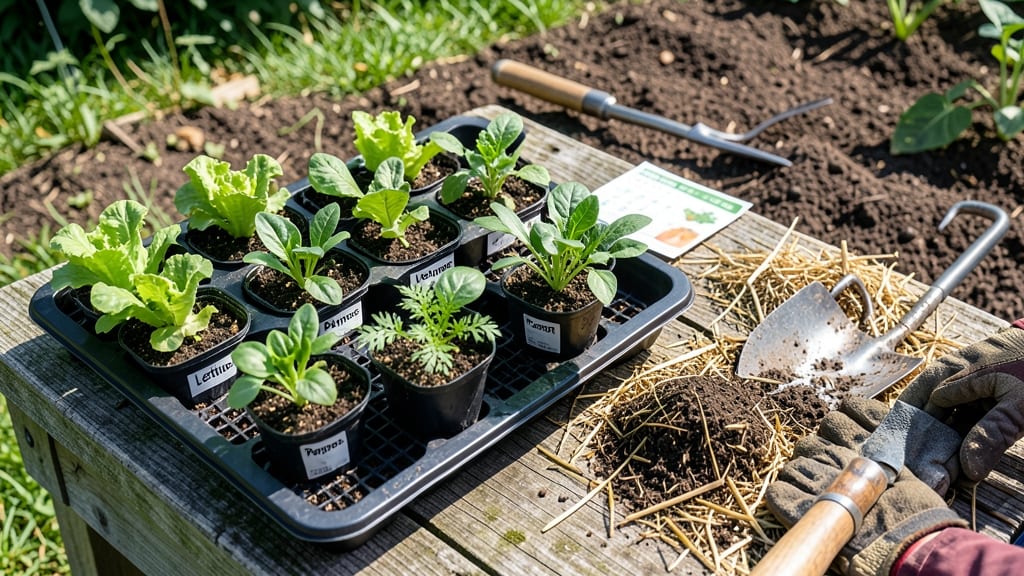
Planting a vegetable garden in New York at the right time means the difference between a bountiful harvest and a sad, wilted mess—especially when frost dates can shift by weeks between Upstate and the city.
New York’s unpredictable frost dates and diverse microclimates can turn gardening into a guessing game—unless you know the exact planting windows for your zone. Timing is everything when it comes to avoiding late frosts, maximizing yields, and ensuring your tomatoes, peppers, and leafy greens thrive.
In USDA Zones 6a to 7b, cool-season crops like spinach and kale should go in the ground 4-6 weeks before your last frost (mid-April to early May), while warm-season favorites like tomatoes and peppers need to wait until 2-3 weeks after the frost has passed for good.
Below, I break down the best months for your region, how to adjust for NYC’s urban heat islands vs. Upstate’s cooler nights, and the 5 critical mistakes that ruin even the most well-intentioned gardens—so you can finally grow what you plant.
New York planting zones: exact months for cool-season vs. warm-season vegetables
New York’s diverse USDA planting zones—ranging from 5a in the Adirondacks to 7b on Long Island—create wildly different frost timelines. In Zone 5a, gardeners face a 150-day growing season, while Zone 7a enjoys a 200-day window.
These variations mean your neighbor’s tomato plants might thrive weeks earlier than yours. Understanding these zones helps you avoid late frost damage and maximize harvests.
Cool-season crops like spinach and kale love the chill, while tomatoes and peppers need warmth. The key is planting cool-season crops 4-6 weeks before your last frost and warm-season crops 2-3 weeks after.
But with New York’s unpredictable spring weather, even a week can make the difference between a thriving garden and a sad, frost-nipped one.
Last frost dates vary dramatically across the state:
- NYC/Long Island (Zone 7a-7b): April 15–May 1
- Upstate (Zone 5b-6b): May 1–May 15
- Northern NY (Zone 5a): May 15–June 1
| Zone | Cool-Season Crops (Plant) | Warm-Season Crops (Plant) | Last Frost Date | First Frost Date |
|---|---|---|---|---|
| 5a (Northern NY) | April 1–May 15 | June 1–June 15 | May 15–June 1 | October 1–October 15 |
| 5b (Upstate) | March 20–April 30 | May 15–June 1 | May 1–May 15 | October 15–October 30 |
| 6a (Central NY) | March 15–April 15 | May 1–May 15 | April 15–May 1 | October 30–November 15 |
| 6b (Western NY) | March 1–April 1 | April 20–May 1 | April 1–April 15 | November 1–November 15 |
| 7a (NYC/Long Island) | February 20–March 30 | April 15–April 30 | April 15–May 1 | November 15–December 1 |
For cool-season vegetables like spinach, broccoli, and carrots, start seeds indoors 4-6 weeks before your last frost. In Zone 5a, that means late March, while Zone 7a gardeners can begin as early as mid-February.
Direct-sow hardy crops like kale and peas 2-3 weeks before last frost—so late April in Upstate but early April in NYC.
Warm-season crops like tomatoes, peppers, and cucumbers need soil temperatures above 60°F. In Zone 5a, wait until June 1 to
How to adjust planting times for NYC’s urban heat islands vs. Upstate cool spots
New York’s microclimates create dramatic differences in planting success—whether you're gardening in NYC’s concrete heat traps or Upstate’s cooler mountain valleys.
The urban heat island effect can push NYC’s soil temperatures 5-10°F warmer than Upstate areas just 100 miles away, while Upstate’s cooler nights protect tender crops from heat stress.
These differences mean your lettuce might bolt in Brooklyn but thrive in the Adirondacks, and your tomatoes could ripen weeks earlier in Manhattan than in Buffalo.
To navigate these variations, I rely on Cornell Cooperative Extension’s frost data and adjust planting windows by 2-4 weeks depending on location. For example, cool-season crops like spinach can go in late March in Upstate but must wait until mid-April in NYC.
Meanwhile, warm-season crops like peppers benefit from NYC’s earlier soil warming but may need row covers in Upstate’s cooler springs. The key is understanding how these microclimates affect your specific growing conditions.
| Factor | NYC Urban Heat Island | Upstate Cool Spots | Adjustment Tip |
|---|---|---|---|
| Average Soil Temp (Spring) | 65-70°F (2 weeks earlier warming) | 55-60°F (3-4 weeks later) | Use soil thermometer; NYC can plant warm crops sooner |
| Last Frost Date | Mid-April to early May | Early to mid-May | NYC: Harden off plants by April 15; Upstate wait until May 10 |
| Nighttime Temperatures | Warmer nights (75-80°F) | Cooler nights (60-65°F) | Upstate: Extend harvests with row covers; NYC: Provide shade for bolting greens |
| Succession Planting Window | April 15-June 15 (6 weeks) | May 1-May 31 (4 weeks) | NYC: Plant lettuce every 2 weeks; Upstate: Stagger every 3 weeks |
| First Frost Date | Mid-October (Zone 7a) | Late September (Zone 5b) | NYC: Plant frost-tender crops by Sept 15; Upstate by Aug 20 |
| Key Crop Example | Tomatoes (plant May 1) | Peppers (plant May 15) | NYC: Use black plastic mulch; Upstate: Choose early varieties |
For succession planting, I recommend focusing on cool-season crops like carrots, radishes, and herbs (cilantro, parsley)—these thrive in NYC’s early springs and Upstate’s cooler summers.
In NYC, I plant lettuce every 2 weeks from April to June, while in Upstate, I stretch that to every 3 weeks from May to July.
The Cornell Vegetable MD Online tool lets you input your zip code for hyper-local frost predictions, which I use to fine-tune my schedule. For example, my Brooklyn garden gets 10 extra frost-free days compared to my friend’s farm in Dutchess County.
One of my favorite tricks is using shade cloth in NYC during summer to protect leafy greens from bolting, while in Upstate, I rely on cold frames to extend fall harvests. For herbs like basil, I plant in NYC by May 10 but wait until May 25 in Upstate.
The soil temperature is the real game-changer—warm-season crops need soil at 60°F+, which NYC hits 2 weeks earlier than Upstate. I always test with a soil thermometer before planting tomatoes or peppers.
To maximize your harvest, consider these region-specific adjustments: In NYC, prioritize container gardening for heat-tolerant varieties like okra or eggplant, while Upstate gardeners should focus on early-maturing varieties of zucchini or cucumbers. Both regions benefit from mulching—NYC to retain moisture