
Tools
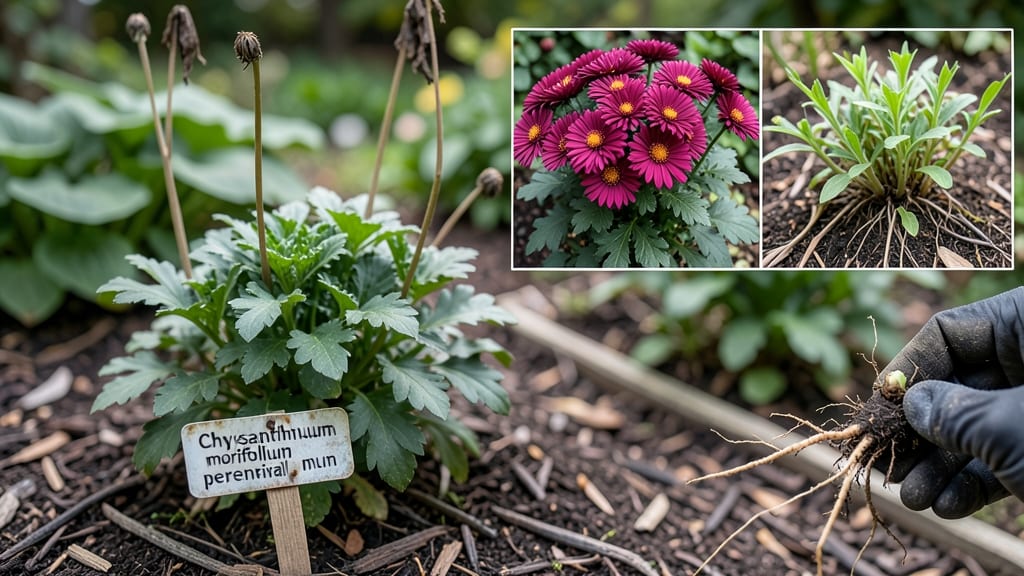
Garden mums typically don't come back every year as perennials—most are grown as annuals or biennials. However, hardy perennial chrysanthemum varieties (like 'Hardy Mums') can regrow with proper winter care and zone-specific planting.
Most garden mums sold in stores are bred for vibrant fall blooms but lack the cold tolerance to survive winter outdoors. 🌱 The key difference lies in their root systems—annuals put all energy into flowering, while true perennials store nutrients underground.
If you're in USDA zones 5-9, you can extend their lifespan by selecting cold-hardy varieties and using protective mulching techniques before winter sets in.
For example, 'Dwarf Mums' and 'Garden Mum' hybrids often regrow when given the right conditions. The secret is cutting back foliage in late fall, covering roots with straw or leaves, and avoiding early spring pruning.
This approach transforms what many see as a one-season plant into a reliable perennial that rewards patience with years of colorful blooms.
💡 In This Article
- Why Most Garden Mums Die After First Year
- How to Overwinter Perennial Chrysanthemums for Regrowth
Why most garden mums die after first year
Garden mums sold in nurseries are often bred as annuals or biennials, meaning they prioritize vibrant fall blooms over winter survival. Their root systems don't develop the deep, insulated networks needed to withstand freezing temperatures below 20°F.
Unlike true perennials, these varieties allocate most energy to flowering rather than storing nutrients underground for regrowth. This is why you'll see them thriving in summer but struggling to return the following year.
The USDA climate zones play a critical role in survival rates. In zones 5-7, where winter temperatures regularly drop below -10°F, even hardy mums face challenges. The freeze-thaw cycles can damage cell structures in the roots, while prolonged cold weakens the plant's ability to photosynthesize early in spring.
For comparison, zone 8-9 gardeners often have better luck because milder winters allow roots to stay dormant but intact, ready to sprout when temperatures rise above 50°F.
Store-bought mums typically lack the genetic hardiness of perennial chrysanthemums like 'Hardy Mums' or 'Garden Mum' hybrids. These true perennials develop stronger root systems that can withstand -20°F temperatures when properly prepared.
The difference lies in their breeding—annual varieties are selected for showy blooms, while perennials are bred for both beauty and resilience. This is why many gardeners accidentally treat all mums as annuals, only to be disappointed when they fail to return.
Another key factor is the plant's natural dormancy cycle. Most garden mums enter a shallow dormancy in winter, which isn't deep enough to protect against harsh conditions. True perennials, however, enter a true dormancy where metabolic processes slow dramatically, conserving energy until spring.
Without this protective mechanism, the plant's resources are depleted by winter's end, leaving nothing for new growth. 🌿
Consider this example: A mum planted in zone 6 with 3-4 inches of mulch might survive one winter but struggle the second year without additional protection. The mulch provides insulation, but it's not enough to compensate for the plant's inherent lack of cold tolerance.
This is why gardeners in colder zones often need to take extra steps—like lifting and potting plants—to give them a fighting chance.
What most people don't realize is that even perennial mums need proper care to thrive. Simply planting them in fall isn't enough—they require specific techniques like cutting back foliage at the right time and providing consistent moisture throughout the growing season.
Without these steps, even the hardiest varieties may fail to return, leading to frustration and the mistaken belief that all mums are one-season plants.