
Container Gardens
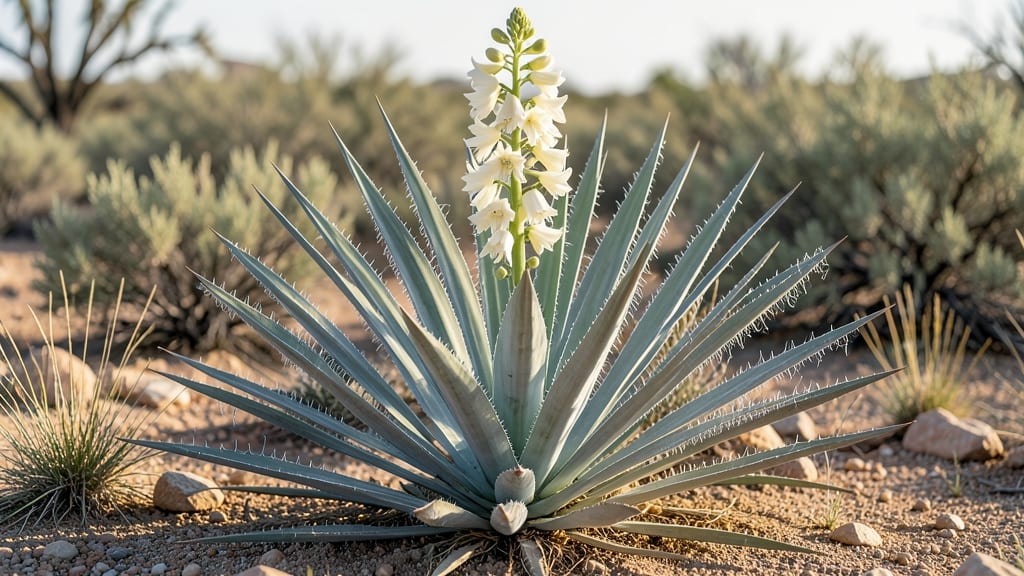
The New Mexico Botanical Garden features over 5,000 plant species across 27 acres, blending desert-adapted flora, vibrant seasonal displays, and scenic trails like the Cactus Garden and Woodland Walk for year-round discovery.
This 27-acre desert oasis transforms with the seasons, offering spring wildflower meadows, summer desert blooms, and fall foliage displays that rival any national park. 🌵 The garden's strategic elevation and microclimates create blooming cycles that extend well beyond typical seasonal expectations.
For example, their Yucca and Agave collections thrive year-round, while winter evergreens provide structure when other plants rest. Whether you're chasing rare cacti or photographing seasonal highlights, the garden's layout encourages exploration beyond the main paths.
What sets this garden apart is its commitment to showcasing Native American and Southwest heritage plants alongside international collections. The Heritage Orchard features historic fruit varieties, while the Japanese Garden offers serene contrast to the arid surroundings.
Pro tip: Visit during the annual Desert Blooms Festival in spring for exclusive access to newly planted collections and expert-led tours that reveal the garden's best-kept secrets.
💡 In This Article
- Best Seasons to Visit New Mexico Botanical Garden’s Blooms
- Hidden Trails and Lesser-Known Plant Collections
Best seasons to visit New Mexico botanical garden’s blooms
The garden's elevation of 5,400 feet creates microclimates that extend blooming seasons beyond typical expectations. Spring (March-May) brings wildflower meadows with 20+ native species, including blue grama grass and desert marigold, while summer (June-August) highlights cactus blooms like the night-blooming cereus that opens only after sunset.
The 40°F temperature swings between day and night during these months trigger synchronized flowering cycles in many desert species.
Fall (September-November) transforms the garden with golden cottonwood trees and red yucca flowers, while winter (December-February) offers evergreen collections like the 150+ species of junipers that provide structure when other plants rest. The Japanese Garden's winter-blooming camellias create striking contrast against the arid surroundings.
What's fascinating is how the garden's drip irrigation system delivers precise 0.25-inch waterings three times weekly—just enough to trigger blooms without wasting precious desert water.
For photographers, early morning visits during spring and fall capture dew-covered petals and soft morning light, while summer afternoons reveal vibrant red and orange hues from ocotillo flowers.
The Desert Blooms Festival in April offers exclusive access to newly planted collections, including rare agave species that only bloom every 10-20 years. This timing aligns with the garden's 1971 founding mission to preserve Southwest flora during a period when many native species faced habitat loss.
What most visitors miss is how the garden's windbreak designs create sheltered microclimates where subtropical plants thrive alongside desert species. The Mediterranean Collection features olive trees and lavender bushes that bloom simultaneously with native yuccas, demonstrating how careful plant pairing extends the visual season.
During monsoon season (July-August), the sudden 1-2 inch rainfall events trigger dramatic blooming in desert willows and four o'clock flowers—a spectacle that lasts only 48 hours before the plants retreat.
Consider these seasonal highlights when planning your visit:
- Spring (March-May): Wildflower meadows with 20+ native species and cactus blooms
- Summer (June-August): Night-blooming cereus and monsoon-triggered desert willows
- Fall (September-November): Golden cottonwoods and red yucca flowers
- Winter (December-February): Evergreen collections and Japanese Garden camellias
The garden's strategic planting zones ensure something's always in bloom, with 20% of species flowering year-round. This careful design means you'll always find vibrant displays, whether you're chasing photography opportunities or simply enjoying the desert's natural beauty. 🌸