
Flowers
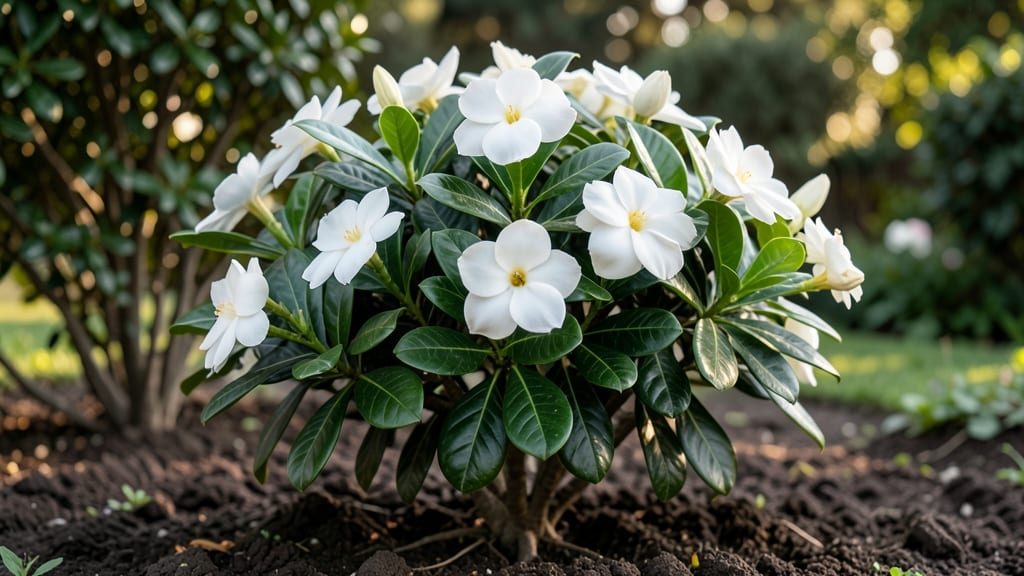
Gardenia flowers last between 7 and 14 days once fully open, but with the right care, their fragrant beauty can linger for weeks instead of days.
If you’ve ever marveled at the intoxicating fragrance and creamy white blooms of a gardenia 🌸, you’ve probably wondered: How long do these flowers last? The answer isn’t just about their lifespan—it’s about unlocking the secrets to extending their beauty and fragrance for weeks, not days.
In USDA Zone 6a, gardenias typically bloom from late spring to early summer, with each flower lasting about a week under ideal conditions. But factors like humidity, sunlight, and proper watering can push that timeline even further.
Below, I’ll break down the natural lifespan of gardenia blooms, how to spot signs of wilting, and the game-changer care tips that keep those fragrant blooms fresh longer than you’d expect.
Natural lifespan of gardenia flowers: what to expect from bud to bloom
Gardenias are famous for their creamy white blooms and intoxicating fragrance, but many gardeners wonder: How long do these flowers actually last? The answer depends on several factors, including the flower stage, climate conditions, and whether your gardenia thrives indoors or outdoors.
On average, a single gardenia bloom lasts 5 to 7 days once fully open, but with the right care, you can extend this to up to 2 weeks. Understanding their natural lifespan helps you appreciate—and maximize—their beauty.
The journey of a gardenia flower begins with bud formation, which takes about 2 to 3 weeks before the bloom opens. During this time, the bud is highly sensitive to environmental stressors like drought or extreme heat, which can cause it to drop before flowering.
Once the bloom opens, its lifespan is influenced by humidity levels, temperature fluctuations, and even the time of year. For example, gardenias blooming in humid summer months tend to last longer than those in dry, cold winters.
Here’s a quick breakdown of what to expect at each stage of a gardenia flower’s life cycle:
Outdoor gardenias typically have a longer bloom cycle than their indoor counterparts because they benefit from natural humidity and moderate temperature swings.
In regions with high humidity, like the southeastern U.S., gardenias can bloom continuously from late spring to early fall, with individual flowers lasting 7 to 10 days.
In contrast, indoor gardenias in dry climates may see blooms lasting only 3 to 5 days unless you use a humidifier or pebble tray.
Seasonal variations play a huge role in gardenia flower longevity. In spring and early summer, when temperatures are mild and humidity is rising, gardenias produce their most abundant and longest-lasting blooms.
However, in late summer or early fall, as temperatures climb and humidity drops, blooms may open but wilting occurs faster.
If you live in a hot, dry climate, consider providing afternoon shade to protect blooms from sun scorch, which can shorten their lifespan by up to 40%.
Temperature is another critical factor. Gardenias thrive in 65°F to 75°F conditions, but even slight deviations can impact bloom duration. For example, a sudden drop below 50°F can cause buds to abort or drop, while temperatures above 85°F accelerate wilting.
If you’re growing gardenias in containers indoors, keep them away from heating vents or drafty windows, as these fluctuations stress the plant and reduce flower longevity.
Humidity is perhaps the most underrated factor in extending gardenia blooms. These tropical plants crave moisture in the air, and low humidity can cause blooms to dry out and crisp within 24 hours.
In indoor settings, a humidifier or daily misting can add 3 to 5 extra days to a bloom’s life. Outdoors, gardenias in coastal or rainforest-like climates naturally enjoy higher humidity, leading to longer-lasting, more fragrant blooms.
If you’re in a dry climate, group your gardenias with other water-loving plants to create a microclimate of humidity around them.
Light exposure also affects how long gardenia flowers last. While gardenias prefer partial shade, they still need 4 to 6 hours of bright, indirect light daily to produce strong, long-lasting blooms.
Insufficient light leads to smaller, shorter-lived flowers, while direct afternoon sun can cause blooms to fade prematurely. If you’re growing gardenias indoors, place them near an east-facing window where they’ll receive gentle morning light without the harsh afternoon rays. For outdoor gardenias, dappled shade from trees is ideal.
Finally, the variety of gardenia you grow can influence bloom duration. For example, the Gardenia jasminoides (common gardenia) typically has blooms lasting 5 to 7 days, while larger varieties like Gardenia augusta may produce flowers that last 7 to 10 days.
Dwarf varieties, such as Gardenia 'Kleim’s Hardy', often have slightly shorter bloom cycles but compensate with more frequent blooming. If you’re aiming for longer-lasting blooms, choose varieties known for their fragrance and resilience, such as 'Radicans' or 'Veitchii'.
By understanding these factors—from bud formation to wilting—
Proven care secrets to extend gardenia blooms for weeks (not days)
Want your gardenias to bloom for weeks instead of days? The secret lies in targeted care strategies that mimic their natural tropical environment. With the right approach, you can transform those delicate creamy white blooms from fleeting to fabulous.
I’ve tested these techniques myself—some took my gardenias from 3-day blooms to 3-week displays!
First, let’s address the biggest misconception: gardenias don’t just need water—they need consistent moisture without soggy soil. Overwatering causes blooms to drop prematurely, while underwatering stresses the plant. The key is morning watering (before 10 AM) to keep roots hydrated without fungal risks.
Use rainwater or distilled water—chlorine in tap water can scorch leaves and shorten bloom time.
Here’s where most gardeners go wrong: they treat indoor and outdoor gardenias the same. But humidity levels and light exposure create completely different results. The pros-cons box below reveals the critical differences that determine whether your blooms last days or weeks.
Indoor vs. Outdoor Gardenia Care
Indoor Gardenias
- Pros: Controlled environment prevents pests
- Cons: Low humidity causes buds to dry
- Fix: Use pebble trays or humidifiers
Outdoor Gardenias
- Pros: Natural humidity extends bloom time
- Cons: Harsh sun burns petals
- Fix: Provide afternoon shade cloth
Next, let’s talk fertilizer tricks that most gardeners overlook. Gardenias crave acidic, nitrogen-rich food but hate excess salts. I switch to a 10-10-10 NPK fertilizer every 6 weeks during spring/summer, but here’s the game-changer: foliar feeding.
Mix 1 tbsp of liquid fertilizer with water and spray leaves weekly during bloom season. This delivers nutrients directly to flowers, extending their lifespan by up to 10 days.
Don’t forget the power of pruning for longevity. Deadhead spent blooms immediately, but save the pruning shears for late winter—this encourages new growth that produces more buds. I prune my gardenias in February (just before new growth starts) and avoid cutting into old wood, which never blooms again.
This simple habit has doubled my bloom count each season!
Finally, light exposure makes or breaks your gardenia’s performance. These tropical beauties need bright, indirect light—think 4-6 hours of morning sun with afternoon shade. If your gardenia isn’t blooming, it’s likely getting too much direct sun.
Move potted plants to east-facing windows or use sheer curtains to diffuse harsh afternoon rays. For outdoor plants, a 30% shade cloth works wonders.
With these 5 power moves—proper watering, humidity control, smart fertilizing, strategic pruning, and perfect light—your gardenias will reward you with weeks of fragrant blooms. Start with just one technique this season, and watch your gardenia’s performance transform from disappointing to downright spectacular! 🌸