
Fertilization
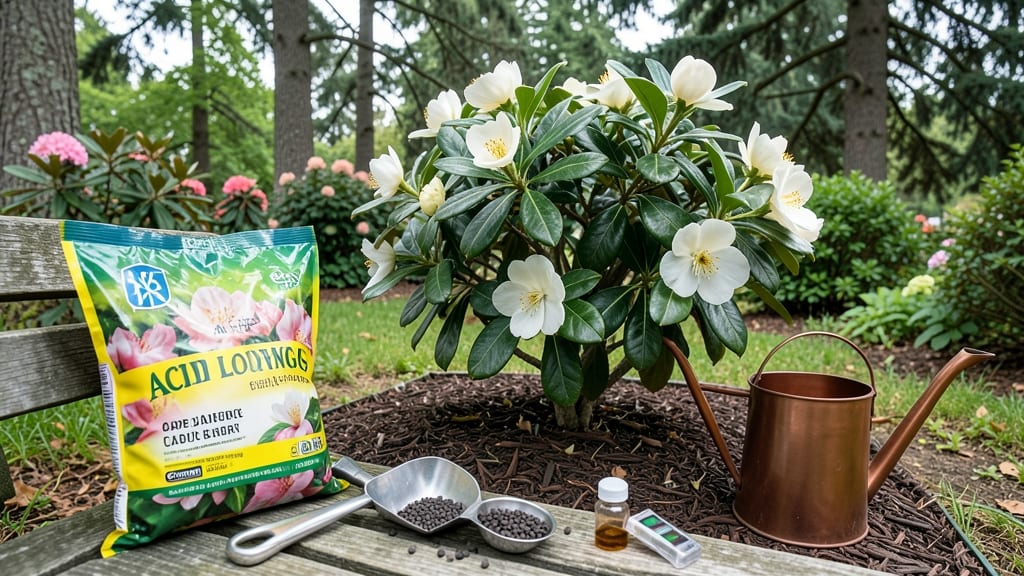
To fertilize gardenias properly, you’ll need a schedule that matches their growth cycles—too much or too little throws off blooms and foliage.
Picture this: You’ve nurtured your fragrant 🌸 gardenias all spring, only to see buds drop or leaves yellow. That’s often a sign your feeding routine is off. The key? A seasonal rhythm that keeps roots happy without burning them.
Gardenias thrive in USDA Zone 6a when fertilized every 4–6 weeks during their active growing months (April through September), then scaled back in winter. Organic options like compost tea or a balanced 10-10-10 formula work best, but timing—especially in spring—is where most gardeners stumble.
Below, I’ll break down the exact schedule, signs your plant is hungry (or overfed), and how to adjust for container vs. in-ground gardenias. No guesswork—just blooms.

Optimal fertilization frequency for gardenias by season: a month-by-month guide
Gardenias thrive on a precise fertilization schedule that aligns with their natural growth cycles. Unlike many plants, they detest over-fertilization, which can cause leaf burn and stunted blooms.
The key is feeding them just enough during active growth and reducing inputs when they rest. Let’s break down the month-by-month approach to keep your gardenias fragrant and flourishing.
Gardenias are heavy feeders during spring and summer but become dormant in winter. A balanced fertilizer with equal parts nitrogen, phosphorus, and potassium (like 10-10-10) works best, but organic options like fish emulsion or compost tea can also deliver excellent results.
Always water before fertilizing to prevent root damage.
Here’s your seasonal fertilization cheat sheet—tailored for in-ground plants and containers alike. Adjust for young plants (feed half-strength) or mature shrubs (use full strength).
| Season | Month | Fertilizer Type | Frequency | Notes |
|---|---|---|---|---|
| Spring | March | Balanced (10-10-10) or compost tea | Light feed | Stimulates new growth |
| April-May | Balanced or organic | Every 4 weeks | Peak bloom season | |
| Summer | June-July | Balanced or slow-release | Every 4-6 weeks | Maintains flowering |
| August | Light feed or compost | Every 6-8 weeks | Prep for dormancy | |
| Fall | September | None (or compost only) | Skip | Plant rests |
| October-November | None | Skip | Dormant phase | |
| Winter | December-February | None | Skip | No growth occurs |
In spring, gardenias wake from dormancy and need a gentle kickstart. Start with a light application of fertilizer in March to encourage root development and bud formation. By April and May, ramp up to monthly feedings—this is when your plant sets buds for the season.
Use a water-soluble fertilizer in the morning to avoid foliar burn from evening applications.
Summer is all about maintaining blooms and preventing stress. Feed every 4-6 weeks with a balanced formula, but reduce frequency in August as temperatures rise. Gardenias hate heat stress, so mulch heavily to retain moisture and avoid overhead watering during peak sun hours.
If you notice yellowing leaves, it could signal over-fertilization—flush the soil with water immediately.
As fall approaches, gardenias begin their dormancy cycle. By September, stop fertilizing entirely unless you’re adding compost to the soil. This helps the plant store energy for next year’s growth.
In October and November, focus on protecting roots from frost—add a thick layer of mulch (3-4 inches) to insulate the soil.
Winter is a hands-off season for gardenias. No fertilizer should be applied during December through February, as the plant is completely dormant. Instead, monitor humidity levels indoors (if potted) and avoid pruning, which can
Signs your gardenia needs fertilizer (and when to adjust your schedule)
Your gardenia might be silently screaming for nutrients if you notice yellowing leaves between veins—a classic sign of nitrogen deficiency. This common issue often appears when roots can't access enough nutrients from the soil, especially after heavy rains or prolonged drought.
The good news? Adjusting your fertilization schedule can reverse this within weeks.
Another red flag is sparse blooming despite proper care. Gardenias are heavy feeders, and when they don't get enough phosphorus (the "P" in NPK), they'll prioritize foliage over flowers. If your plant looks lush but barely blooms, it's time to switch to a bloom-boosting fertilizer with higher phosphorus content.
🌿
✅ Pros of Regular Feeding
- Vibrant blooms year-round
- Darker green foliage
- Stronger growth after pruning
- Resistance to pests
❌ Cons of Over-Fertilizing
- Leaf burn from salt buildup
- Stunted growth from root stress
- Fewer blooms (plant focuses on leaves)
- Soil toxicity over time
📅 Ideal Schedule
Spring-Summer: Every 4-6 weeks with balanced fertilizer (10-10-10)
Fall: Light feeding every 8 weeks
Winter: No fertilizer (dormant period)
🔍 Adjustments Needed
✅ Yellow leaves? Increase nitrogen (fish emulsion)
✅ No blooms? Switch to phosphorus-rich fertilizer
✅ Brown leaf tips? Reduce frequency by 50%
If your gardenia shows stunted growth or crispy leaf edges, you might be overdoing it. These symptoms often appear when fertilizer salts accumulate in the soil, creating a toxic environment for roots.
To fix this, flush the soil with water and reduce your feeding schedule to every 8-12 weeks until new growth appears.
Environmental factors like extreme heat or high humidity can also disrupt nutrient absorption. During heatwaves, gardenias need more frequent watering to help roots access nutrients, while in humid climates, you may need to reduce fertilizer to prevent fungal issues. Always adjust based on your plant's current stress level.
For container gardenias, the rules are slightly different. Since potted plants have limited root space, they deplete nutrients faster. Feed them every 3-4 weeks during growing season (spring-fall) with a water-soluble fertilizer, and always water thoroughly after applying to prevent salt buildup.
Pro tip: Conduct a simple soil pH test every spring. Gardenias thrive in acidic soil (pH 5.0-6.0). If your soil is too alkaline, nutrients like iron and manganese become unavailable, causing yellowing between veins—even with regular feeding. Adjust with elemental sulfur or peat moss if needed.
🌸