
Fertilization
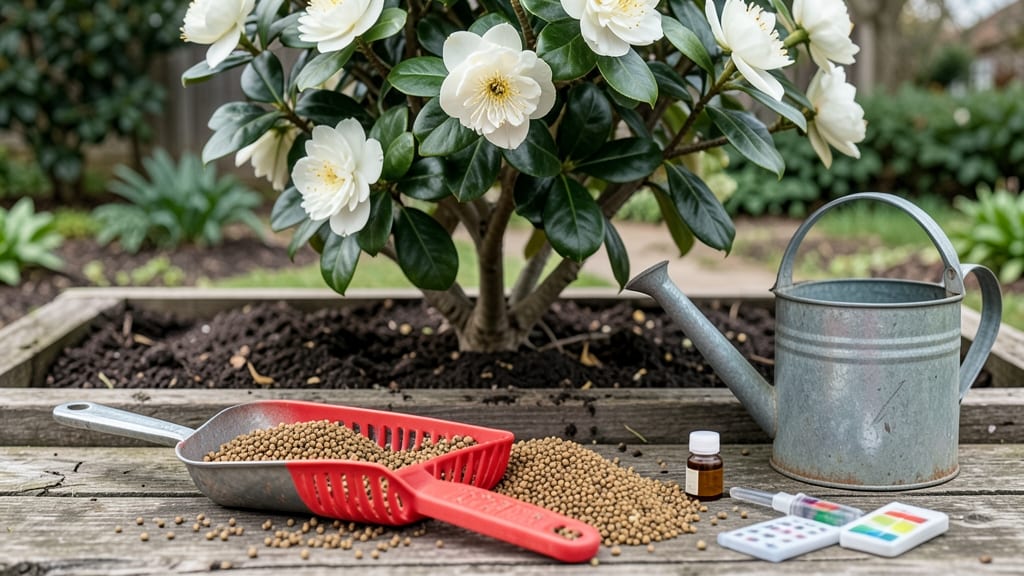
The right fertilizer for gardenia tree 🌸 can transform your plant from a struggling shrub to a fragrant, blooming powerhouse—if you pick the wrong one, you’ll end up with yellow leaves and no flowers.
Gardenia trees thrive when their soil stays acidic and rich in nutrients, but most gardeners overlook this key detail. Without the proper fertilizer, even the hardiest gardenia will struggle to produce those signature white blooms you love.
In this guide, I’ll break down the best organic and synthetic fertilizers for gardenias, how to apply them without burning roots, and the seasonal schedule that keeps your plant happy year-round.
You’ll also discover how to troubleshoot nutrient issues—like yellowing leaves or stunted growth—and avoid the common mistakes that kill gardenias faster than drought.
Best acidic fertilizers for gardenia trees to boost blooms
Gardenia trees thrive when their acidic soil needs are met with the right fertilizer blend. These fragrant beauties demand low pH levels (5.0-6.5) and specific nutrients to produce their signature snow-white blooms. Without proper fertilization, you’ll see fewer flowers, yellowing leaves, or even stunted growth.
The key lies in choosing fertilizers designed for acid-loving plants like azaleas or camellias, which share similar soil requirements.
Most gardenia fertilizers focus on balancing nitrogen (N), phosphorus (P), and potassium (K) to support foliage growth, root development, and bloom production. A 6-6-6 or 8-3-9 NPK ratio is ideal—phosphorus boosts flowers, while potassium strengthens disease resistance.
However, organic options like fish emulsion or composted pine bark add long-term benefits, improving soil structure and microbial activity.
Here’s the breakdown of the top acidic fertilizers for gardenias, including their NPK ratios, application methods, and best use cases. Whether you prefer synthetic convenience or organic sustainability, there’s a solution to revive your gardenia’s blooming potential.
For synthetic fertilizers, Miracle-Gro Azalea, Camellia, & Gardenia stands out with its 8-3-9 NPK ratio, perfectly balanced to promote blooms while supporting root health. Its acidifying properties ensure your gardenia’s soil stays in the ideal pH range of 5.0-6.5.
Apply it every 2 weeks during the growing season (spring-summer), but reduce in winter to avoid stressing the plant.
If you prefer organic options, composted pine bark is a game-changer. It lowers soil pH naturally while adding organic matter that improves drainage and microbial life. Spread a
How to apply gardenia tree fertilizer for maximum results
Gardenia trees thrive when their soil remains rich in nutrients and maintains an acidic pH level between 5.0 and 6.5. Without the right fertilizer routine, you might notice fewer blooms or yellowing leaves, signaling nutrient deficiencies.
The key to lush, fragrant gardenias lies in understanding when, how much, and what type of fertilizer to use throughout the year. Let’s break down the process step-by-step to ensure your gardenia gets the nourishment it craves.
Before applying any fertilizer, it’s crucial to test your soil’s pH and nutrient levels. Gardenias are particularly sensitive to alkaline soil, which can lock out essential nutrients like iron and manganese.
If your soil tests above 6.5 pH, you’ll need to lower it naturally using amendments like sulfur or pine needles. Once your soil is properly acidic, you’re ready to fertilize with confidence, knowing your gardenia will absorb nutrients efficiently.
Step-by-Step Guide to Fertilizing Your Gardenia Tree
-
Step 1: Choose the Right Fertilizer
Opt for an acid-loving fertilizer with an NPK ratio of 6-6-6 or 8-3-9. Look for products labeled for azaleas or camellias, as they’re formulated for similar acidic-loving plants. Organic options like fish emulsion or composted pine bark work well too. -
Step 2: Apply Fertilizer in Early Spring
Start fertilizing in early spring (March) as new growth begins. Use 1 tablespoon of granular fertilizer per foot of plant height, spreading it evenly over the root zone. For liquid fertilizers, dilute to half-strength and water thoroughly afterward. -
Step 3: Feed Every 4-6 Weeks During Growing Season
Continue applying fertilizer every 4-6 weeks through summer (June-August). Reduce frequency in extreme heat (above 90°F) to prevent stress. Always water deeply after fertilizing to help nutrients penetrate the soil. -
Step 4: Skip Fertilizer in Fall and Winter
Stop fertilizing in fall (September) and winter (December-February) to allow your gardenia to rest. Over-fertilizing during dormancy can harm roots and lead to nutrient burn or fungal issues. -
Step 5: Adjust pH Naturally if Needed
If your gardenia shows signs of chlorosis (yellow leaves with green veins), it may need more acidic soil. Mix 1 cup of sulfur per 100 square feet into the top 6 inches of soil, or mulch with pine needles or oak leaves to lower pH gradually. -
Step 6: Monitor for Over- or Under-Fertilization
Over-fertilizing causes brown leaf tips or wilting, while under-fertilizing leads to pale leaves or poor blooming. Adjust your schedule based on your gardenia’s response, and always follow label instructions for dosage.
Timing is everything when it comes to fertilizing gardenias. Applying fertilizer in early morning or late evening helps prevent leaf burn from midday sun. Always water your gardenia thoroughly before and after fertilizing to ensure nutrients reach the roots without causing salt buildup.
If you notice white crusty deposits on the soil surface, flush the area with water to remove excess salts.
For container-grown gardenias, use a balanced liquid fertilizer every 2-3 weeks during the growing season. Since potted plants dry out faster, their nutrient needs are more frequent. Always choose a fertilizer with micronutrients like iron and magnesium, which are essential for vibrant blooms and glossy foliage.
If your gardenia’s flowers are small or sparse, it might be time to increase phosphorus-rich fertilizers to encourage flowering.
Remember, gardenias are heavy feeders but sensitive to overcare. By following this step-by-step guide, you’ll create the perfect conditions for your gardenia to produce abundant, fragrant blooms year after year.
With the right fertilizer routine and a little patience, your gardenia will reward you with a stunning display that’s the envy of the neighborhood. 🌸