
Pests
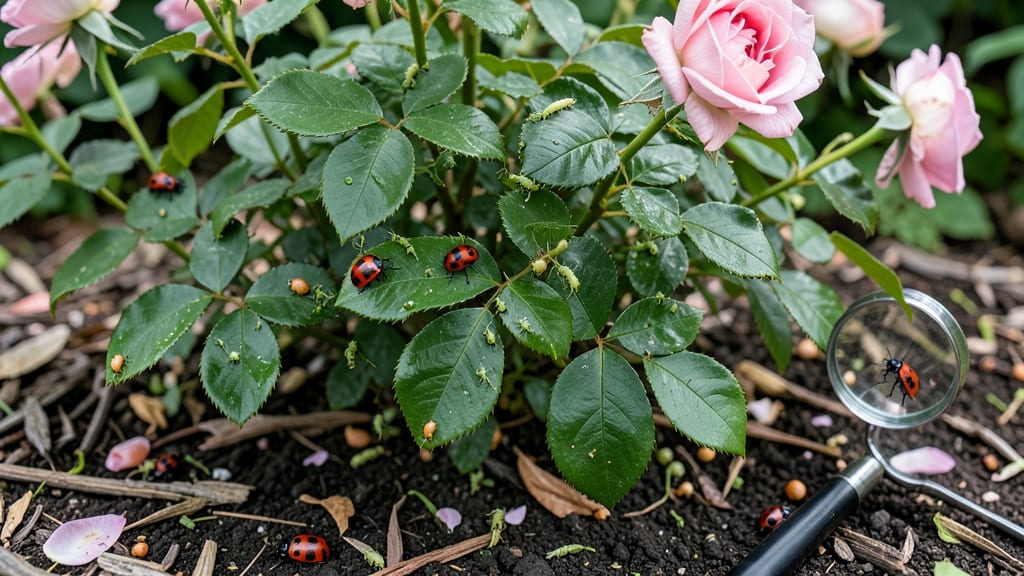
Ladybirds are good for the garden because they act as natural pest controllers by eating aphids, mites, and other soft-bodied insects while also helping pollinate plants. Their presence reduces the need for chemical pesticides and promotes ecological balance.
These tiny but mighty insects are nature's pest patrol, consuming hundreds of aphids in a single day. 🌿 Their larvae are even more voracious, making them especially effective against early-stage infestations. What's more, ladybirds don't harm plants—they only target pests, which means your garden stays healthy without the harsh chemicals.
I've seen firsthand how a few ladybirds can transform a struggling garden into a thriving ecosystem within weeks.
To make the most of their benefits, focus on creating a welcoming environment. Planting native flowers like dill, fennel, and marigolds attracts them naturally, while providing shallow water sources encourages them to stay.
Avoid broad-spectrum pesticides, as these can eliminate ladybirds along with the pests you're trying to control. With the right conditions, you'll have a self-sustaining pest management system that works year after year.
💡 In This Article
- How Ladybirds Naturally Combat Garden Pests
- Encouraging Ladybirds in Your Garden: Best Practices
How ladybirds naturally combat garden pests
A single adult ladybird can consume up to 5,000 aphids in its lifetime, with larvae devouring even more—some species eat 400-500 aphids per day during their voracious larval stage.
Their hunting technique involves scanning leaves with compound eyes, detecting prey movement, and using their long, sticky legs to grasp soft-bodied insects like aphids, mites, and scale insects. 🔥 The key is their selective feeding: they ignore plant tissues and focus only on pests, making them safer than chemical sprays that harm beneficial insects.
The lifecycle stages amplify their pest-control power. Eggs are laid in clusters on leaves, hatching into larvae that resemble tiny alligators with spiky backs. These larvae are the garden's most effective aphid hunters, while adult ladybirds switch to softer pests like mealybugs and whiteflies.
Their mobility means they patrol large areas—some species fly up to 1.5 miles daily to find food, ensuring comprehensive coverage. Unlike generalist predators, ladybirds specialize in sap-sucking pests, which aligns perfectly with garden needs.
What sets ladybirds apart is their non-destructive feeding. They don't chew leaves or spread diseases—they simply consume pests, leaving plants unharmed. This precision contrasts with many beneficial insects that might also damage crops.
Their presence also triggers a cascade effect: by controlling aphid populations, they prevent secondary issues like sooty mold (a fungal growth that thrives on aphid honeydew). In organic gardening, this natural regulation reduces the need for synthetic interventions by up to 70% in some cases.
Seasonal activity patterns matter too. Most ladybirds are most active from spring to early fall, aligning with peak pest seasons. In cooler climates, they may enter diapause (a dormant state) during winter, but some species remain active year-round in milder regions.
Their ability to overwinter as adults means they're ready to resume pest control as soon as temperatures rise. This seasonal synchronization makes them one of nature's most reliable garden allies.
Interestingly, ladybirds also contribute to pollination while foraging. As they move between plants, they transfer pollen—studies show they're particularly effective pollinators for small, clustered flowers like those in the carrot family. This dual role as pest controllers and pollinators makes them uniquely valuable in diverse ecosystems.
Their presence often correlates with 20-30% higher fruit set in some vegetable gardens compared to areas without them.
One common misconception is that all ladybirds are beneficial. While most species are helpful, a few (like the harmonia axyridis) can become invasive in some regions, outcompeting native species.
However, the vast majority—especially native varieties like the seven-spot ladybird—are garden heroes. The key is supporting the right species through habitat creation and avoiding pesticides that harm them.