
Tools
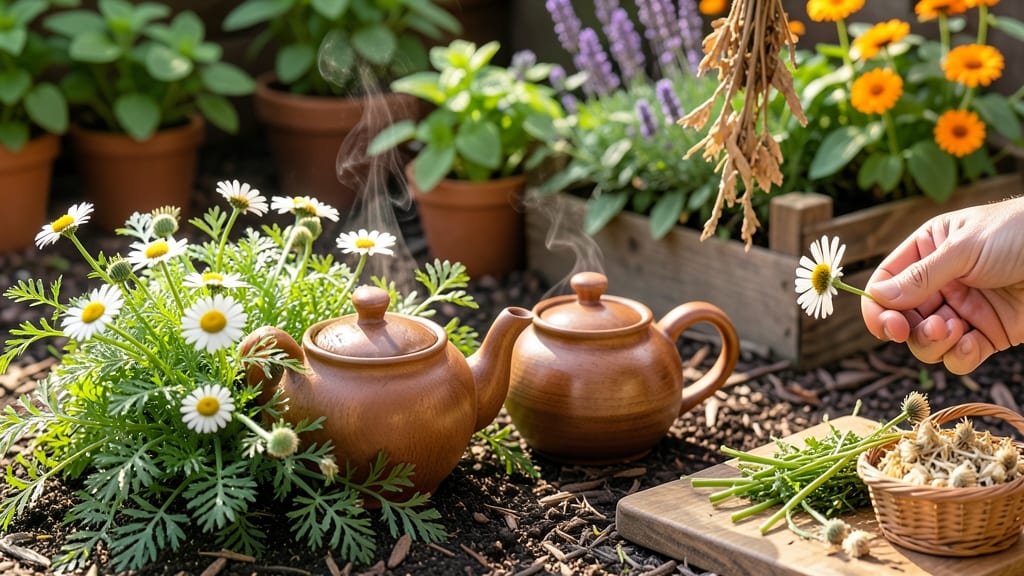
Creating a medicinal tea garden means carefully selecting herbs that thrive in your climate, balancing sun-loving varieties like chamomile with shade-tolerant options such as valerian, and designing a layout that optimizes sunlight, airflow, and water efficiency while grouping plants by similar care needs.
This approach ensures your herbs grow vigorously while preserving their medicinal properties. 🌿 For example, chamomile and peppermint need full sun to produce their signature calming and digestive benefits, while valerian and passionflower prefer partial shade to avoid wilting.
I've found that spacing plants 12-18 inches apart prevents overcrowding, which reduces disease risk and makes harvesting easier.
Beyond plant selection, the layout itself plays a crucial role in maintaining a thriving garden. Creating distinct zones for high-sun and low-light plants prevents competition for resources, while adding pathways between rows lets you move through the garden without trampling delicate stems.
Adding companion plants like lavender—known for its pest-repelling qualities—can further protect your tea herbs from common garden pests.
💡 In This Article
- Best Medicinal Herbs for Tea and Their Growing Conditions
- Designing a Functional Medicinal Tea Garden Layout
Best medicinal herbs for tea and their growing conditions
Sunlight is the most critical factor when selecting medicinal herbs for tea. Chamomile, for instance, thrives in full sun (6-8 hours daily) because its white daisy-like flowers need intense light to produce apigenin—a compound responsible for its calming effects.
Peppermint, another sun-lover, grows best in direct sunlight and produces higher levels of menthol (its soothing active ingredient) when exposed to at least 6 hours of sun.
These herbs also prefer well-draining soil with a slightly acidic pH (6.0-7.0) to prevent root rot while maximizing their aromatic oils.
The texture and flavor of your tea depend heavily on these growing conditions. Chamomile's delicate flower heads develop a velvety texture when grown in full sun, while peppermint leaves become more potent and crisp when exposed to adequate sunlight.
In contrast, shade-tolerant herbs like valerian and passionflower contain compounds that thrive in partial shade (3-6 hours of sun). Valerian's roots, which produce sedative effects, grow deeper and more potent when protected from intense afternoon heat, while passionflower's leaves maintain their rich, citrusy flavor without wilting in direct sunlight.
Water needs vary dramatically between these herbs. Chamomile and peppermint require consistent moisture but detest soggy soil—think of them like thirsty but well-mannered guests who appreciate a drink but hate puddles. Valerian, however, prefers moderate watering and can tolerate drier conditions once established.
This is why grouping plants by water needs (like placing peppermint near a drip irrigation line and valerian slightly farther away) prevents overwatering or drought stress. 🌱 The key is mimicking their natural habitats: chamomile grows wild in sunny meadows, while valerian thrives in woodland edges where dappled light filters through trees.
Growth habits also dictate your garden's long-term success. Annuals like chamomile complete their life cycle in one season, producing copious flowers (and thus more tea) before dying back, while perennials like peppermint and valerian return year after year, spreading aggressively if not contained.
This means planning for 12-18 inch spacing between peppermint plants to control their invasive roots, while chamomile can be sown more densely (6-12 inches apart) since it self-seeds readily. The trade-off? Perennials require less replanting but need winter mulch to protect their roots from freezing.
Medicinal potency isn't just about sunlight—it's also about timing. Harvest chamomile flowers in the morning after dew has dried but before the heat of the day (typically 9-11 AM), when their apigenin content peaks.
Peppermint leaves should be picked just before flowering (late spring to early summer) to capture maximum menthol levels. These herbs' flavor profiles also shift with harvest time: early-morning valerian leaves taste milder, while afternoon harvests yield a slightly bitter edge that some tea blends intentionally incorporate for depth.
Consider these companion planting pairings to enhance growth and flavor: Plant lavender alongside chamomile to repel aphids while adding floral notes to your tea blends. Pair peppermint with thyme to deter cabbage moths and boost menthol production through shared root exudates.
These combinations create a synergistic garden where each plant supports the others, much like a well-orchestrated tea blend where each herb contributes its unique properties. 💫