
Tools
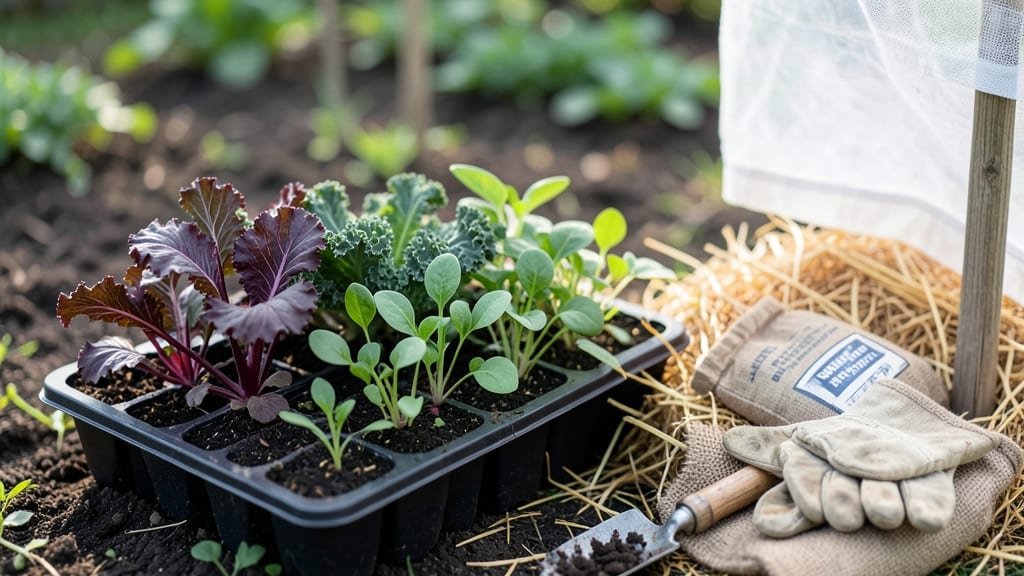
Starting a fall garden 4-6 weeks before frost 🍂 is the key to avoiding wasted seeds and shriveling plants before they mature.
Picture this: You’ve spent weeks preparing your soil, only to watch your seedlings bolt or freeze overnight because you planted too late. Or worse, you start too early and end up with leggy, weak plants struggling in the heat.
The right timing means the difference between a harvest of crisp greens and root vegetables and a sad, half-finished garden bed.
In USDA Zone 6a, where first frost hits around mid-October, your window narrows to late August or early September—depending on the crop.
Fast growers like radishes or spinach can handle a shorter season, while slower varieties like broccoli or Brussels sprouts need that full 4-6 weeks to bulk up before the cold sets in.
Below, I’ll break down the exact weeks before frost for your zone, the best fall-friendly crops to prioritize, and how to stretch your harvest even if frost sneaks in early. No more guesswork—just a garden that delivers.
Fall planting timeline by USDA hardiness Zones (weeks before first frost)
Fall gardening thrives on precision—plant too early, and your crops bolt; too late, and frost ruins them. Your USDA hardiness zone dictates the exact window, but coastal areas often enjoy 2-4 weeks later than inland zones due to milder microclimates.
Let’s break down the ideal weeks before first frost for each zone, focusing on cool-season crops like lettuce, kale, and carrots.
For Zones 3-5 (northern climates), start 8-10 weeks before frost—typically mid-July to early August. In Zones 6-8, shift to 6-8 weeks out (late July to early September).
Coastal gardeners in Zones 9-10 can plant 4-6 weeks before frost, often stretching into October. Adjust for elevation: mountainous areas freeze earlier than valleys.
🌱
In Zone 3-4, prioritize fast-maturing varieties like bush beans (50 days) or radishes (25 days). Zone 5-6 gardeners can afford slightly slower growers like broccoli (70 days) or spinach (40 days).
For Zones 7-10, even Brussels sprouts (90 days) or cabbage (80 days) have time if planted by early September.
Soil temperature matters just as much as frost dates. Aim for 45-65°F—cool enough to deter weeds but warm enough for seeds to germinate. Use a soil thermometer to confirm readiness. In cooler zones, pre-sprout seeds indoors or use heat mats for slower starters like lettuce.
🌿
Regional tweaks are critical. Inland areas freeze faster than coastal zones due to continental climates. For example, Denver (Zone 5) might need 9 weeks out, while Portland (Zone 8) can wait until 5 weeks before frost.
Check your local cooperative extension service for hyper-local adjustments—some inland valleys in Zone 6 mimic Zone 4 frost dates.
Succession planting is your secret weapon. In Zones 3-5, stagger leafy greens every 2 weeks from July to September. In Zones 6-10, repeat plantings of radishes or green onions every 10-14 days ensure continuous harvests. This keeps your garden productive even as days shorten.
🥕
Don’t overlook root crops like carrots or beets, which thrive in cooler weather. Plant them 4-6 weeks before your last expected frost—they’ll sweeten as temps drop. For brassicas (cabbage, kale), start seeds indoors 6-8 weeks before transplanting to avoid bolting.
In Zone 9-10, you can even plant winter lettuce in November for early spring harvests.
Protect young plants with row covers or cold frames if frost threatens early. These extend harvests by 2-4 weeks, especially in Zones 5-7. Just remove covers during the day to prevent overheating.
For coastal gardeners, focus on heat-tolerant varieties like Malabar spinach or Swiss chard, which handle summer’s lingering warmth better than traditional greens.
Best fall vegetables to plant now (and how long they need)
Fall gardening is all about cool-season crops that thrive when temperatures dip. The key to success? Planting the right vegetables with the right maturity timelines so you harvest before frost.
Fast growers like radishes (25-30 days) can be sown just 4-6 weeks before frost, while slower varieties like kale (60-70 days) need a head start.
Your USDA zone dictates your planting window—Zone 5-7 gardeners should start by mid-August, while Zones 8-10 have until early October. Always check your average first frost date and count backward based on each crop’s days to maturity. This ensures you’re not left with half-grown plants when winter arrives.
- 1 Fast Growers (20-30 days): Radishes, spinach, lettuce, arugula, and turnips. Plant these 4-6 weeks before frost for quick harvests.
- 2 Medium Growers (30-50 days): Green onions, Swiss chard, bok choy, and bush beans. Start these 6-8 weeks before frost for reliable yields.
- 3 Slow Growers (50-90 days): Broccoli, cabbage, Brussels sprouts, and carrots. Plant these 8-10 weeks before frost to ensure full maturity.
- 4 Companion Planting Tip: Pair carrots with onions to deter pests, or grow bush beans near cucumbers to improve flavor and yield.
Don’t forget to space your plants wisely—crowding can lead to disease and poor growth. For example, lettuce needs 6-12 inches apart, while broccoli requires 18-24 inches of space. Use succession planting for fast growers like radishes: sow a new batch every 2 weeks to keep a steady supply.
For extended harvests, try cold-hardy varieties like ‘Winterbor’ kale or ‘Rainbow Carpet’ carrots, which sweeten after frost. These varieties can handle light freezes, giving you extra weeks of harvest. Always mulch around plants with straw or leaves to insulate roots and protect against temperature swings.
If you’re in a short-season zone, prioritize fast-maturing varieties and use row covers to push back frost dates. For instance, ‘Early Wonder’ peas mature in just 55 days, making them perfect for late-summer sowing. Pair them with radishes to maximize your garden’s productivity in tight spaces.
Start with 2-3 varieties you love, and don’t overlook herbs like cilantro and dill, which thrive in cool weather. These can be sown right up until 4 weeks before frost and often survive light freezes.
With the right timing and companion pairings, your fall garden will be just as productive as your spring or summer plots—if not more so!