
Lawn
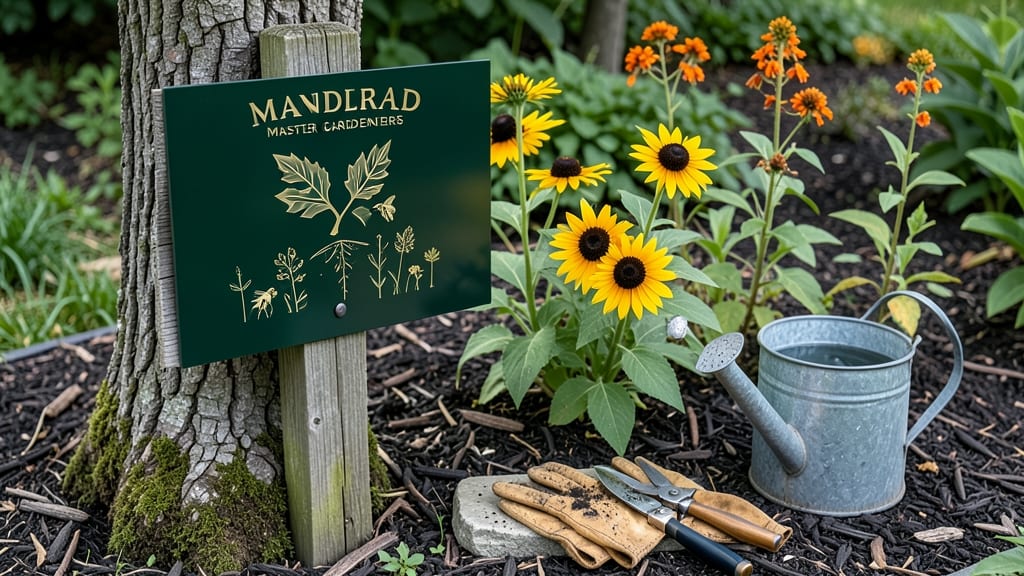
Becoming a Maryland Master Gardener connects you to expert plant care guidance through county-based programs, offering free horticultural advice, hands-on workshops, and university research-backed resources. County-specific training opens seasonally with varying deadlines.
The Maryland Master Gardener program transforms passionate gardeners into certified volunteers who serve their communities. 🌱 Through 40-60 hours of University of Maryland Extension training, participants learn practical skills like plant diagnostics, organic pest control, and sustainable landscaping.
This certification isn't just about knowledge—it's about putting that expertise to work through county plant clinics and community gardens. The best part? Many counties offer free plant advice even before you join, making it accessible for everyone from beginners to seasoned green thumbs.
What sets this program apart is its local focus—each county tailors its offerings to regional plants and challenges. 🌿 For example, Baltimore County might emphasize urban gardening solutions, while rural areas could focus on agricultural crops.
The training covers everything from soil science to seasonal care, ensuring you'll gain skills that work in real-world Maryland gardens. Plus, the ongoing education requirements mean you'll always stay current with the latest horticultural research.
💡 In This Article
- How Maryland Master Gardener Training Works
- Where to Find Local Maryland Master Gardener Programs
How Maryland Master Gardener training works
The Maryland Master Gardener training program is a rigorous, university-backed curriculum designed to equip volunteers with professional-level horticultural knowledge. Delivered through the University of Maryland Extension, this 40-60 hour program covers essential topics like plant pathology, entomology, soil science, and sustainable landscaping techniques.
Each session blends classroom instruction with hands-on labs, allowing participants to practice skills like diagnosing plant diseases or identifying common pests under microscope guidance.
What makes this training stand out is its focus on practical, real-world applications.
For example, the pest management module doesn't just teach you to recognize aphids—it shows you how to implement organic control methods using soapy water solutions (mixing 1 tablespoon dish soap with 1 quart water) that actually work in Maryland's humid climate.
The curriculum also emphasizes regional plant species, so you'll learn about native alternatives to invasive plants that thrive in our state's USDA Hardiness Zones 5b-7b.
Certification requires completing the training plus 50 hours of volunteer service within the first year, with ongoing education requirements of 10 hours annually to maintain active status. This ensures volunteers stay current with emerging issues like climate-adapted gardening techniques or new pest threats.
The program's science-based approach means you'll learn why certain plants thrive in Maryland's annual rainfall of 40-50 inches—and how to adjust care practices when summer droughts hit.
One particularly valuable aspect is the diagnostic training, where participants learn to use proper tools like a hand lens (10x magnification) and moisture meters to assess plant health accurately. You'll practice identifying symptoms of common Maryland issues like powdery mildew (which thrives in our humid summers) versus nutrient deficiencies.
The training even covers proper sample collection techniques for sending to the University's diagnostic lab—a skill that saves gardeners hundreds in professional consultation fees.
Beyond the core curriculum, many counties offer specialized workshops on niche topics like edible landscaping or rain garden design. For instance, Baltimore County's program often includes sessions on urban gardening solutions that work in our city's microclimates, where temperatures can be 5-10°F warmer than surrounding rural areas.
These additional opportunities ensure you gain skills tailored to your specific gardening challenges, whether you're maintaining a suburban yard or community garden plot.
What most participants don't realize until they complete the program is how much the training transforms their approach to gardening.
You'll develop a scientific eye for plant health that makes troubleshooting problems intuitive—like recognizing that yellowing leaves on your hydrangeas might indicate iron deficiency in acidic Maryland soils (pH 5.0-6.0) rather than overwatering.
This knowledge extends beyond your own garden into your community work, where you'll be able to provide accurate, research-backed advice to fellow gardeners.