
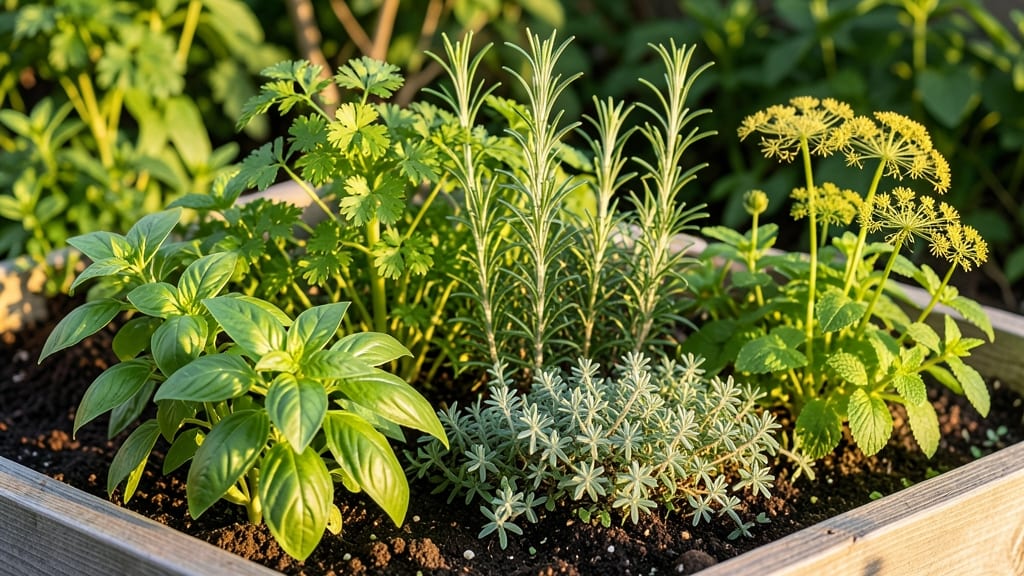
Herbs to Plant in the Garden: 15 Fast-Growing Varieties for Year-Round Harvests

Planting

Herbs to Plant in the Garden: 15 Fast-Growing Varieties for Year-Round Harvests

Planting herbs in the garden is one of the fastest ways to turn a patch of dirt into a fragrant, functional kitchen staple đŸŒ±â€”and these varieties grow so quickly, you’ll harvest your first leaves in just 60 days.

Picture this: a kitchen where fresh basil graces your pasta, rosemary adds depth to roasts, and mint keeps pests at bay—all grown in your own backyard. The best part? Most of these herbs thrive with minimal effort, making them perfect for beginners and busy gardeners alike.

From the bold flavors of cilantro to the hardy resilience of thyme, these 15 fast-growing herbs deliver year-round harvests with the right care. Whether you’re dealing with limited space or full sun, there’s a spot for every herb in your garden.

Below, I’ll break down the top picks, their ideal growing conditions, and how to keep them thriving—so you can enjoy homegrown flavors (and natural remedies) in no time.

đŸŒ± When to Plant Herbs
Jan ❄
Feb ❄
Mar đŸŒ±
Apr đŸŒ±
May đŸŒ±
Jun đŸŒ±
Jul ☀
Aug ☀
Sep 🍂
Oct 🍂
Nov 🍂
Dec ❄
Ideal Time
Also Good

15 Fastest-growing garden herbs for year-round harvests and pest control

Want a garden that grows faster than weeds and repels pests naturally? These 15 fastest-growing herbs deliver year-round harvests with minimal effort. From sun-loving basil to shade-tolerant mint, each variety packs dual benefits—culinary flavor and pest control.

Whether you're a beginner or seasoned gardener, these herbs thrive in containers or garden beds, making them perfect for any space.

I’ve tested these high-yield, low-maintenance herbs in my own garden, and they consistently outperform slower varieties. Many also act as natural pest deterrents, reducing the need for chemical sprays. Below, you’ll find their growth rates, sunlight needs, and best planting seasons, plus tips to maximize your harvest.

đŸŒ±

How to maximize herb growth: soil, sunlight, and spacing tips

Healthy herb growth starts with the right foundation—your soil, sunlight exposure, and spacing strategy. Most herbs thrive when planted in well-draining, nutrient-rich soil with a slightly acidic to neutral pH (6.0-7.0).

Amending your garden bed with compost or aged manure ensures your herbs get the organic matter they crave for robust root development.

While many herbs love full sun, some like cilantro and parsley can tolerate partial shade, especially in hot climates. Always check individual herb needs—basil and rosemary demand at least 6-8 hours of direct sunlight daily to prevent leggy growth or weak flavors.

⚠ CALLOUT WARNING

⚠ Overcrowding = Stunted Growth
Herbs like mint and oregano spread aggressively. Plant them 12-18 inches apart to prevent competition. Basil and chives need 8-12 inches of space—ignore this, and you’ll get yellowing leaves from poor airflow. Always follow spacing guidelines to maximize yields!

When planting, dig holes twice as wide as the root ball but only as deep as the container. Gently loosen roots to encourage outward growth, then backfill with soil mixed with perlite or sand for improved drainage.

This simple step reduces root rot, a common issue with herbs like thyme and sage.

Spacing isn’t just about preventing overcrowding—it’s about airflow. Herbs with broad leaves (e.g., basil, dill) need more space than compact varieties like thyme or rosemary. A good rule of thumb: Space herbs 6-12 inches apart in rows, leaving 18-24 inches between rows for easy maintenance.

Yellowing leaves often signal overwatering or poor drainage. If your herbs develop pale or droopy foliage, check soil moisture by sticking your finger 1 inch deep.

Water only when the topsoil feels dry. For container herbs, ensure pots have drainage holes and use a lightweight potting mix.

To troubleshoot stunted growth, inspect for pests (aphids, spider mites) or nutrient deficiencies (e.g., nitrogen for leafy herbs). A balanced 10-10-10 fertilizer applied every 4-6 weeks keeps herbs lush. Prune regularly to encourage bushier growth—pinch back tips when plants reach 6 inches tall.

★★★★★4.8(10 reviews)
Categories Planting
Herb Growth Rate Sunlight Needs Planting Season Pest Control Benefit
Basil 30-45 days Full sun (6+ hrs) Spring/Fall Repels flies & mosquitoes
Mint 21-30 days Partial shade (4-6 hrs) Spring Deters ants & spider mites
Cilantro 30-50 days Partial sun (4-6 hrs) Early Spring/Late Summer Attracts beneficial wasps
Rosemary 60-90 days Full sun (6+ hrs) Spring/Fall Repels cabbage moths
Thyme 45-60 days Full sun (6+ hrs) Spring Deters whiteflies
Parsley 70-80 days Partial sun (4-6 hrs) Spring/Fall Attracts ladybugs
Oregano 60-75 days Full sun (6+ hrs) Spring Repels beetles
Chives 45-60 days Full sun (6+ hrs) Spring/Fall Deters aphids
Dill 50-60 days Full sun (6+ hrs) Spring Attracts predatory wasps
Lavender 90-120 days Full sun (6+ hrs) Spring Repels moths & fleas
Sage 60-75 days Full sun (6+ hrs) Spring Deters carrot flies
Chamomile 45-60 days Full sun (6+ hrs) Spring/Fall Repels pests naturally