
Tools
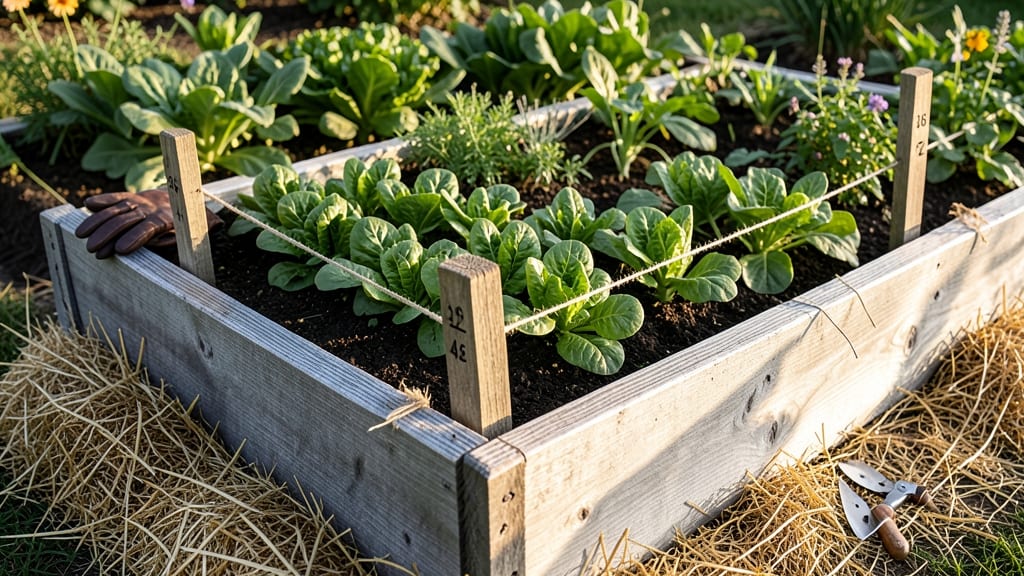
Determining the right garden bed width is the difference between a thriving, low-maintenance plot and one that feels like a chore to tend.
Picture this: you’re knee-deep in weeding, arms stretched too far to reach the center of your bed, and your back is already protesting. That’s the reality when your garden bed width doesn’t match your reach—or your plants’ needs.
Too narrow, and you waste space; too wide, and maintenance becomes a backbreaking task. The sweet spot? A width that balances accessibility, plant health, and yield, without turning your garden into a puzzle of overcrowded rows.
Most gardeners overlook how width affects everything from sunlight exposure to tool reach. A bed that’s 3 to 4 feet wide lets you work from both sides without stepping on the soil, while wider beds force you to trample plants or install pathways.
But it’s not just about convenience—proper spacing also means healthier plants, fewer pests, and easier harvests. Whether you’re designing raised beds, in-ground plots, or container gardens, getting this dimension right is the foundation of a functional and productive space.
In this guide, I’ll break down the science behind optimal garden bed width, share specific recommendations for common vegetables, and highlight the mistakes that turn gardens into headaches.
By the end, you’ll know exactly how wide to build your beds for maximum efficiency—and why 4 feet might be the magic number for most home gardens.
How garden bed width affects plant spacing and yield
Garden bed width isn’t just about aesthetics—it directly impacts how well your plants grow. A bed that’s too narrow wastes space, while one that’s too wide makes maintenance difficult and can lead to poor air circulation and disease risks.
The ideal width balances accessibility, sunlight exposure, and plant health, ensuring every plant gets what it needs to thrive. For example, a 4-foot-wide bed allows you to reach the center from both sides, reducing trampling and improving airflow.
Sunlight plays a critical role in determining bed width. Plants in the center of wide beds often receive less light because outer plants cast shadows. This is especially true for tall plants like tomatoes or corn, which can block sunlight from reaching shorter varieties.
A well-planned width ensures even light distribution, promoting uniform growth and higher yields. For instance, a 3-foot-wide bed maximizes sunlight exposure for leafy greens like lettuce or spinach.
Plant spacing is another key factor tied to bed width. Crowded plants compete for nutrients, water, and space to grow, leading to stunted growth or poor harvests.
Narrower beds (like 2-3 feet wide) allow for precise spacing, which is ideal for smaller plants or herbs like basil. Wider beds (up to 6 feet) can work for large plants, but only if you include pathways for easy access and maintenance.
Airflow is a silent hero in garden health. Wide beds can create microclimates where humidity builds up, inviting pests and diseases. For example, powdery mildew thrives in crowded, shaded areas. By keeping beds 4 feet or narrower, you improve air circulation, reducing the risk of fungal infections.
This is particularly important for leafy greens and herbs, which are prone to rot in damp conditions.
Yield efficiency also hinges on bed width. A well-sized bed allows you to maximize plant density without sacrificing quality. For instance, a 3-foot-wide bed planted with bush beans will produce more consistently than a 6-foot-wide bed where the center plants struggle for resources.
Smaller beds also make it easier to rotate crops annually, preventing soil depletion and pest buildup.
Accessibility is another game-changer. Beds wider than 4 feet force you to step into them, compacting soil and damaging roots. This is especially problematic for delicate plants like radishes or strawberries.
By sticking to narrower widths, you can tend to your garden without disturbing the soil, leading to healthier root systems and better yields. Plus, narrower beds are easier to mulch and weed effectively.
Seasonal considerations also play a role. In hot climates, wider beds can overheat, stressing plants like cucumbers or squash. Narrower beds with mulch retain moisture better and keep roots cooler.
Conversely, in cooler climates, wider beds might help trap heat for warm-season crops like peppers. Always adjust width based on your local climate and plant types.
Don’t overlook the role of tool reach. A 4-foot-wide bed lets you use tools like hoes or pruners without stretching awkwardly. Wider beds may require specialized tools or even pathways to avoid damaging plants.
For example, if you’re growing tall sunflowers in a 6-foot bed, you’ll need a clear path to prevent trampling the smaller plants around them.
Experiment with different widths to see what works best for your garden. Start with 3-4 feet for most vegetables, and adjust based on plant size and your comfort level. Over time, you’ll notice healthier plants
Optimal garden bed widths for common vegetables and layouts
Choosing the right garden bed width makes all the difference in your harvest's success. A 3-4 foot width is ideal for most vegetable gardens—it balances accessibility with space efficiency. This size lets you reach the center without stepping on soil, which compacts it and harms roots.
For raised beds, this width also maximizes edge space where plants thrive.
Different crops need different spacing, but bed width sets the foundation. Leafy greens like lettuce can handle narrower beds (2-3 feet), while tomatoes and peppers need the full 4 feet to support their sprawling growth. Carrots and radishes prefer wider beds to prevent overcrowding, but their spacing works best in beds that are at least 3 feet across.
For raised beds, stick to 3-4 feet wide—this lets you tend to plants from both sides without trampling soil. If you choose wider beds (up to 6 feet), add a 5-foot pathway down the center for easy access.
This setup works perfectly for in-ground plots, especially for root crops like carrots or beets that need deeper soil.
Container gardens follow different rules. Since space is limited, opt for 1-2 foot widths per container. This ensures even small plants like radishes or lettuce get enough room to grow without competing for nutrients.
Group containers in clusters for efficient watering and care, and always use containers with drainage holes to prevent root rot.
Square foot gardening is another space-saving method where you divide beds into 1-foot squares. This layout works for almost any vegetable, from tomatoes in the corners to onions in the center.
The key is following the spacing grid to avoid overcrowding while maximizing your yield in a small area.
Remember, plant spacing within the bed matters just as much as the bed’s width. For example, tomatoes need 18-24 inches between plants, while carrots only need 2-3 inches. Plan your layout carefully to fit all your favorite crops without sacrificing growth or harvest quality.