
Vegetables
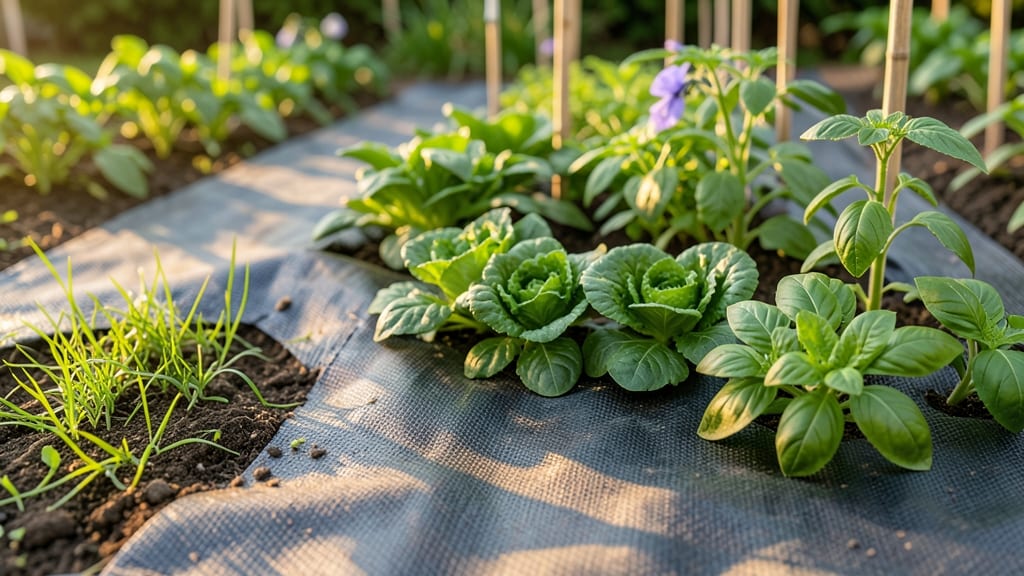
Guarding your garden against weeds with physical barriers is the smartest way to keep your plants healthy without chemicals.
Tired of battling weeds that steal nutrients, water, and sunlight from your prized plants? Physical weed guards offer a chemical-free, long-term solution that saves time and effort while keeping your garden thriving.
Whether you're dealing with landscape fabric, mulch, or DIY barriers, the right choice depends on your garden type and climate.
Many gardeners assume mulch or hand-pulling is enough, but weeds can still slip through—especially in high-traffic areas. A proper weed guard blocks them completely, reducing maintenance by up to 80% over a season.
In this guide, I’ll break down the best materials, step-by-step installation tips, and how to choose the right solution for your garden’s needs—so you can spend less time weeding and more time enjoying your harvest.
5 Best physical weed guards for different garden types
When weeds threaten to overtake your vegetable garden, flower beds, or landscape borders, physical weed guards become your secret weapon. These barriers block sunlight and prevent weed seeds from germinating without chemicals.
But not all weed guards work equally well—some excel in raised beds, while others shine in container gardens or large landscape areas. Let’s explore the top five options to find the perfect fit for your garden’s needs.
Choosing the right weed guard depends on factors like cost-effectiveness, longevity, and how well it integrates with your existing garden setup. For example, landscape fabric offers long-term protection but may require careful installation, while cardboard mulch is a budget-friendly, eco-conscious choice that breaks down over time.
Each option has unique strengths, so let’s dive into the details to help you decide.
If you’re working with a raised bed garden, landscape fabric is my top recommendation. It’s durable, blocks weeds effectively, and won’t decompose like organic mulches. For a quick, budget-friendly solution, cardboard mulch is a game-changer—especially when you’re planting seeds or young seedlings.
Simply lay flattened boxes under your soil, and they’ll suppress weeds while breaking down naturally.
For large landscape areas or pathways, plastic sheets are hard to beat. They’re lightweight, easy to install, and provide immediate weed suppression.
However, they can trap heat, so avoid using them directly under heat-loving plants like tomatoes or peppers unless you add a layer of mulch on top. Straw mulch, on the other hand, is perfect for organic gardens—it improves soil health, retains moisture, and looks natural.
If you’re looking for a low-maintenance border around your garden or lawn, consider natural grass. While it takes time to establish, it’s a permanent solution that reduces mowing and adds curb appeal. Just be prepared to invest in regular upkeep, including mowing and fertilizing.
For container gardens, a combination of landscape fabric at the bottom and straw mulch on top works wonders—it keeps roots cool while blocking weeds.
Each weed guard has its place, so consider your garden’s specific needs. For example, if you’re growing delicate herbs like basil or cilantro, cardboard mulch or straw mulch won’t smother their roots like plastic might.
On the other hand, if you’re dealing with aggressive weeds like bindweed or crabgrass, landscape fabric or plastic sheets will give you the toughest defense.
Pro tip: Combine methods for maximum effectiveness. For instance, lay down cardboard mulch first to smother existing weeds, then top it with straw mulch for long-term suppression. This two-layer approach works especially well in newly planted beds or areas prone to weed infestations.
The key is to tailor your weed guard strategy to your garden’s unique challenges.
Remember, the best weed guard is the one that fits your garden type, budget, and maintenance preferences. Whether you choose a durable fabric, a biodegradable mulch, or a living grass border, you’ll spend
How to install weed guard properly for maximum effectiveness
Installing a weed guard correctly is the key to keeping your garden free from unwanted invaders. A poorly placed barrier can leave gaps for weeds to sprout, while proper installation blocks light and nutrients, giving your plants the competitive edge they need.
The best time to install is spring or fall, when weeds are less aggressive but before extreme temperatures arrive.
Start by choosing the right weed guard material—landscape fabric, cardboard, or plastic sheets—based on your garden type. For example, landscape fabric works well in vegetable beds, while cardboard mulch is ideal for temporary suppression.
Once you’ve selected your material, clear the area of existing weeds and debris to ensure a clean surface for installation.
Remove all existing weeds, rocks, and debris from the garden bed. Use a hoe or trowel to loosen soil slightly for better contact with the weed guard.
Unroll the material over the bed, ensuring it overlaps edges by 6-12 inches. For fabric, use landscape staples every 12 inches to secure it to the soil.
Mark and cut X-shaped slits in the weed guard where plants will go. This prevents damage to roots while allowing stems to pass through.
Bury the edges 2-3 inches deep or weigh them down with rocks. For fabric, use galvanized staples to prevent wind from lifting it.
Top with 2-3 inches of mulch (straw, wood chips) to improve appearance and retain moisture. Avoid thick layers that smother plants.
After installation, monitor the area for weed regrowth along edges or tears. Patch gaps immediately with extra weed guard or mulch. For long-term effectiveness, replace the barrier every 2-3 years, as degradation reduces its weed-blocking power.
In container gardens, line pots with weed guard before adding soil to prevent weeds from invading.
Properly installed weed guards not only suppress weeds but also conserve water and reduce soil erosion. For vegetable gardens, combine with drip irrigation to maximize efficiency. With these steps, your garden will stay weed-free with minimal effort, giving your plants the best chance to thrive.
🌱