
Watering
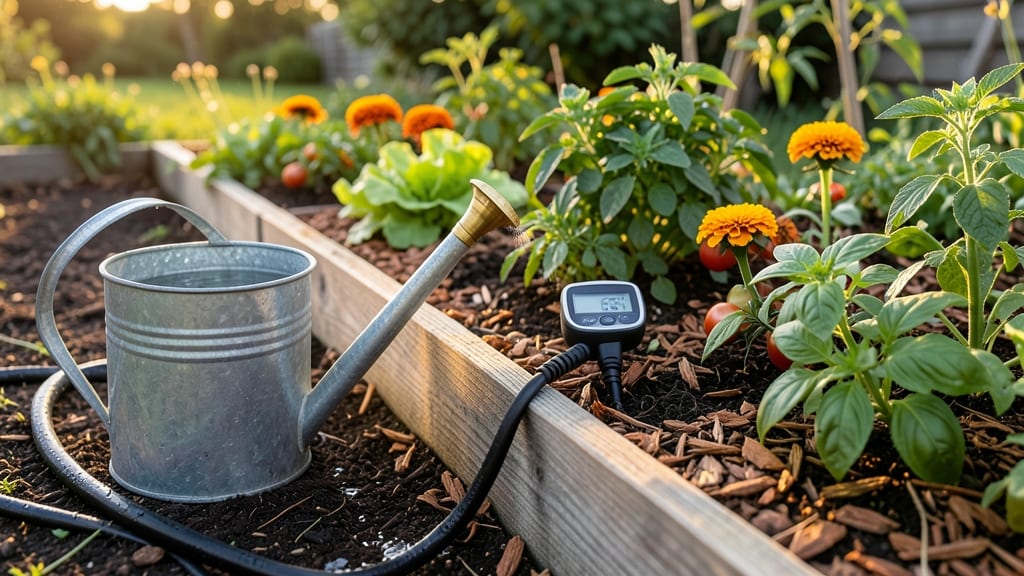
Watering your garden the right amount—how often do I need to water my garden—keeps your plants thriving without wasting a drop, and the answer depends more on soil type than you might think.
Overwatering or underwatering your garden can kill your plants faster than pests or diseases, yet most gardeners guess instead of measuring. That’s why knowing how often to water based on your soil’s texture—whether it’s sandy, clay-heavy, or rich loam—is the key to saving time and water.
In this guide, I’ll break down the science behind watering schedules, from daily checks for sandy soil to every three days for clay. You’ll also learn how climate, plant types, and seasonal shifts change the rules—plus how to spot when you’re over- or under-doing it.
By the end, you’ll have a custom watering plan that keeps your General Garden Plants 🌱 perfectly moist, no matter what zone you’re in or what’s growing in your beds.
Watering frequency by soil type: a science-backed checklist
Your garden’s soil type is the #1 factor determining how often you need to water—yet most gardeners guess instead of testing. Sandy soil drains like a sieve, while clay soil holds moisture like a sponge.
Even loam (the gold standard) has nuanced needs. Without knowing your soil’s composition, you’re either drowning roots or leaving plants parched. Let’s fix that with a science-backed checklist tailored to your garden’s foundation.
First, grab a handful of dry soil and squeeze it. If it crumbles instantly, you’ve got sandy soil—water disappears in hours, demanding daily checks.
If it forms a tight ball that won’t break, you’re dealing with clay soil, which can go 3-4 days between waterings. Loam (the perfect mix) holds moisture just right, while silt loam sits somewhere in between.
Your watering schedule hinges on these differences, so let’s break it down with exact intervals for each type.
📌 PRO TIP: Morning is the best time to water—it reduces evaporation and fungal risks. Use a moisture meter or the finger test (stick your finger 1-2 inches deep; if dry, water). Below is your soil-specific watering guide, including a DIY soil test to identify your garden’s composition.
Now that you’ve identified your soil type, let’s talk seasonal tweaks. In summer, sandy soil may need watering twice daily, while clay soil can stretch to 5 days between waterings. Loam is forgiving but still benefits from mulch (2-3 inches) to lock in moisture.
Pro tip: Drip irrigation is ideal for sandy soils—it delivers water slowly, preventing runoff.
For container gardens, the rules shift dramatically. Potted plants dry out 2-3x faster than in-ground beds because roots have less soil to explore. Check soil moisture daily in summer, even for clay-based mixes.
If the top inch feels dry, water thoroughly until it drains from the bottom. Terracotta pots dry out fastest—opt for self-watering containers if you travel often.
What about newly planted perennials or deep-rooted trees? These need deep watering (6-12 inches down) but less frequently.
Use a soaker hose or probe a hole 6 inches deep—if it’s dry, water again. Vegetables like tomatoes and peppers thrive in loamy soil with consistent moisture, while succulents in sandy soil can go weeks without water.
Don’t overlook the weather’s role. High winds and full sun evaporate moisture faster, so adjust your schedule accordingly. In humid climates, reduce
Climate and plant-specific watering adjustments
Your garden's watering needs aren't one-size-fits-all—they shift with temperature swings, humidity levels, and the types of plants you're growing. In my Zone 6a garden, I've learned that tomatoes need daily watering in July, while lavender thrives on neglect in the same heat.
Understanding these plant-specific rhythms saves time, water, and stressed plants.
Humidity plays a sneaky role too. In my humid summers, I water herbs like basil less frequently because the air keeps them hydrated longer. But in dry climates, even drought-resistant succulents need occasional drinks.
Let's break down how to adjust your watering like a pro, starting with the biggest factors that change everything.
- 1 Summer Heat: Increase watering by 50% during 90°F+ days. Vegetables like peppers need 1-2 inches weekly, while flowers may need daily checks.
- 2 Winter Dormancy: Reduce to monthly watering for perennials. Herbs like rosemary need almost nothing in freezing temps, while winter greens like kale need weekly moisture.
- 3 Drought-Tolerant Plants: Succulents and lavender need water every 2-3 weeks in summer. Check soil 2 inches deep—if dry, water deeply.
- 4 Shallow-Rooted Plants: Lettuce and radishes need daily watering in heat. Water early morning to prevent evaporation and fungal issues.
- 5 Deep-Rooted Plants: Asparagus and fruit trees need deep watering every 10-14 days. Use a soaker hose to reach roots 12+ inches deep.
- 6 High Humidity: Reduce watering by 30% in 70%+ humidity. Ferns and hostas may only need watering every 5-7 days.
- 7 Seasonal Shift: Adjust watering 2 weeks before first frost. Annuals need less water, while winter veggies need consistent moisture.
Pro tip: I use a moisture meter for tricky plants like orchids, which need constant humidity but never soggy roots. For most gardens, sticking your finger 2 inches deep is enough—if it feels dry, it's time to water. Mulch always helps retain moisture, especially in hot afternoons.
Don't forget that container gardens dry out faster than in-ground beds. My potted basil needs watering every 2-3 days in summer, while the same plant in the ground might only need every 5 days. Always check the root zone—that's where the real action happens!
Finally, observe your plants. Wilting leaves often mean thirst, but yellowing leaves might signal overwatering. Adjust based on what you see, not just a calendar schedule. Your garden will thank you with healthier growth and bigger blooms all season long. 🌱