
Tools
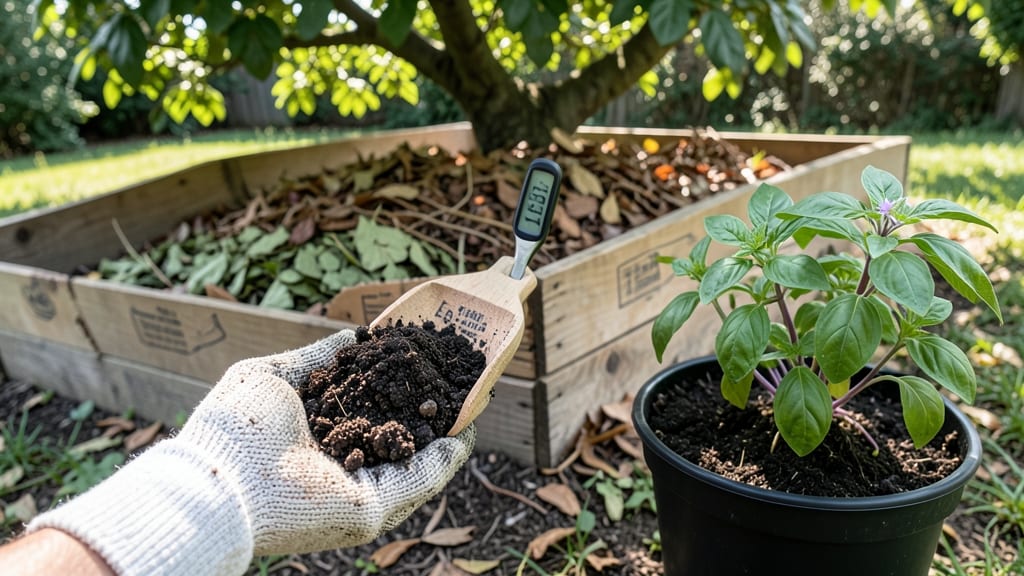
Cardboard is generally not toxic in the garden when used correctly as mulch or weed barrier, but improper use can introduce risks like mold, ink chemicals, or stifling plant roots if buried too deep or left too long.
Cardboard can actually be a gardener's secret weapon when used properly—it breaks down slowly while suppressing weeds and retaining moisture. 🌱 The key lies in preparation: always remove tape, staples, or glossy coatings that might contain harmful chemicals.
I've found that laying flat sheets under compost or directly on soil creates a protective barrier without smothering roots, especially when paired with organic matter.
What most people don't realize is how quickly cardboard decomposes under the right conditions—typically within 3-6 months. This rapid breakdown releases nutrients back into the soil, but only if it's not buried too deep.
The decomposition process also consumes nitrogen, so I recommend adding a layer of compost on top to balance the soil's nutrient levels and prevent nutrient theft from nearby plants.
💡 In This Article
- Chemical and Environmental Risks of Cardboard in Soil
- Safe Cardboard Mulching Techniques for Gardens
Chemical and environmental risks of cardboard in soil
The primary concern with cardboard in gardens stems from its ink composition. Most modern cardboard uses soy-based inks, which are generally safe and biodegradable. However, older or low-quality cardboard may contain petroleum-based inks or coatings that release volatile organic compounds (VOCs) as they break down.
These chemicals can leach into soil, particularly in acidic conditions, potentially harming beneficial microbes and plant roots. 🔥
Moisture retention is another critical factor. Cardboard's fibrous structure traps water, creating a damp environment that encourages mold growth—especially if left exposed for extended periods. Black mold (Stachybotrys) and other fungi can develop within 2-4 weeks under these conditions, releasing spores that may irritate respiratory systems or weaken plant health.
The risk increases in humid climates or when cardboard is buried rather than laid flat.
Decomposition also impacts soil chemistry. As cardboard breaks down, it consumes nitrogen at a rate of about 1-2 pounds per 100 square feet over 3-6 months. This nitrogen depletion can stunt nearby plants if not balanced with compost or organic fertilizers.
The process releases carbon dioxide as well, temporarily altering soil pH levels—though this effect is minor in well-aerated soil.
Depth of placement matters significantly. Burying cardboard deeper than 1-2 inches can suffocate roots by blocking oxygen flow and trapping excess moisture. Shallow placement allows roots to penetrate through the cardboard as it decomposes, while deeper burial creates an anaerobic zone that promotes rot and harmful bacteria.
The texture of cardboard—thin yet sturdy—makes it ideal for flat mulching but dangerous when compacted.
Consider this comparison: Soy-based ink cardboard decomposes safely and adds organic matter, while petroleum-coated cardboard may introduce toxins. The difference lies in the chemical composition—soy inks break down into harmless compounds, whereas petroleum residues can persist for months.
Testing your local cardboard's ink type (ask suppliers) can prevent unexpected issues. 💫
Even safe cardboard can become problematic if left too long. After 6-12 months, decomposed cardboard loses its structural integrity, failing to suppress weeds effectively. This timing varies based on climate—warmer regions decompose cardboard faster, while cooler areas may extend this window.
The key is monitoring and replacing it before it becomes a liability.