
Tools
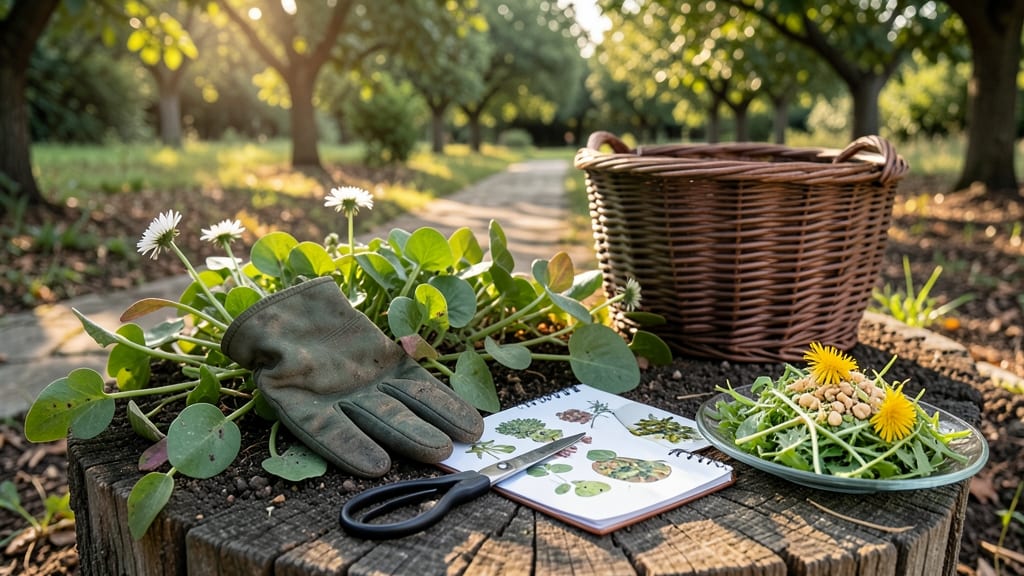
Eating weeds from the garden safely requires identifying non-toxic varieties like dandelion, chickweed, or purslane, which offer nutritional benefits when prepared correctly—always avoid bitter or milky-stemmed plants and confirm identification before consumption.
Many gardeners don't realize their "weeds" could be nutritious additions to meals. 🌱 Dandelion leaves, for example, are packed with vitamins A and K, while purslane contains omega-3 fatty acids. The key is proper identification—always cross-check with reliable field guides or consult a local foraging expert before eating anything wild.
Young leaves tend to be milder in flavor, making them ideal for salads or sautéing, while roots can be roasted like potatoes. I've found that harvesting early in the morning gives the freshest flavor and texture, and always wash thoroughly to remove any dirt or insects.
When preparing these greens, cooking can mellow their sometimes earthy flavors. Lightly steaming or quickly sautéing with garlic and olive oil brings out their natural sweetness, while blending into pesto adds a unique twist to pasta dishes.
Remember that not all weeds are edible—some can be toxic, so when in doubt, it's better to skip it. Start with small amounts to test your tolerance, as even safe weeds can cause digestive upset if consumed in excess.
💡 In This Article
- How to Identify Safe Edible Weeds in Your Garden
- Best Ways to Cook and Use Garden Weeds in Meals
How to identify safe edible weeds in your garden
Identifying edible weeds starts with examining leaf shape and arrangement. Dandelion leaves, for example, have deep lobes that resemble jagged teeth, growing in a rosette pattern close to the ground.
The stems are hollow and smooth, while the roots are thick and taprooted—similar to a carrot but more fibrous. Chickweed, on the other hand, has smooth, oval leaves with a slightly succulent texture, growing in clusters along weak stems.
These differences matter because look-alikes like poison hemlock have similar leaf shapes but contain deadly toxins.
The stem texture is another critical clue. Safe edible weeds like purslane have thick, fleshy stems that store water, giving them a slightly crisp bite.
In contrast, toxic plants often have milky sap when broken—a sure sign to avoid. Lamb's quarters, another edible weed, has leaves that feel slightly gritty due to tiny calcium deposits, while its stems are covered in fine hairs.
Always check for these tactile details, as they can distinguish safe plants from dangerous mimics.
Root structure also plays a role in identification. Dandelion roots, for instance, are deep and woody, making them ideal for roasting like potatoes, while plantain has a fibrous, shallow root system.
The key is to dig carefully—never pull weeds by the stem, as this can damage the root system and make regrowth harder. Harvesting young leaves (before they flower) ensures milder flavors and fewer bitter compounds, which is why many foragers prefer early spring harvests.
Color and growth patterns provide additional confirmation. Edible weeds like amaranth have vibrant green leaves that grow in a bushy, upright pattern, while toxic plants often have a more sprawling or irregular growth habit.
The presence of flowers can also help—dandelion flowers are bright yellow and grow in clusters, whereas many toxic plants have small, greenish flowers that blend into the foliage. Always cross-reference with a reliable field guide or app to double-check your identification.
Light plays a trick on weed identification too. Some edible weeds, like chickweed, grow best in partial shade, while others, such as purslane, thrive in full sun. This environmental context can help narrow down possibilities.
For example, if you're identifying a weed in a shady garden corner, wood sorrel (with its clover-like leaves) is more likely than sun-loving lamb's quarters. Pay attention to these microhabitats for clues.
When in doubt, use the three-part test: leaf shape, stem texture, and root structure. If any part doesn't match known edible weeds, skip it. Remember, even small mistakes can be dangerous—poison hemlock, for instance, can be fatal in doses as small as a few leaves.
Start with well-known, easily identifiable weeds like dandelion or chickweed to build confidence before exploring less familiar options.
For extra safety, consider joining a local foraging group or consulting a botanist. Many communities host free workshops where experts can help you learn hands-on. The more you practice, the easier it becomes to spot edible weeds—and the safer your meals will be. 🌿