
Tools
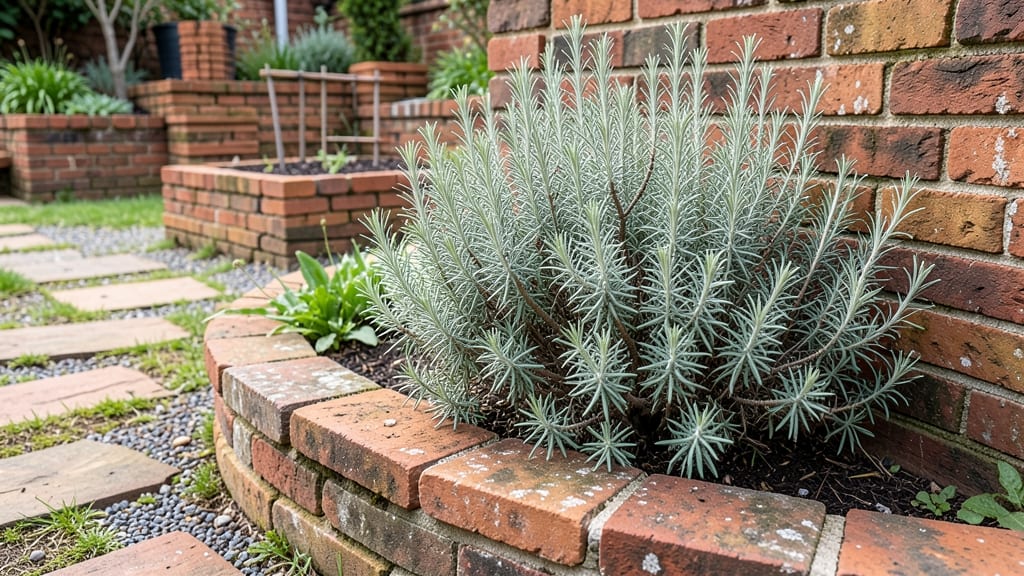
Old bricks in the garden can be repurposed as rustic pathways, raised garden borders, or decorative edging to enhance aesthetics while adding structure to outdoor spaces. Their durability and versatility make them ideal for DIY projects without needing costly replacements.
When you're looking to breathe new life into your garden, old bricks offer endless possibilities beyond simple borders. 🌿 These sturdy materials can be transformed into charming garden pathways that guide visitors through your space while adding texture and visual interest.
For a more functional approach, consider building raised planters or vertical gardens using bricks—they provide excellent drainage and create defined growing zones. The beauty of bricks lies in their adaptability, whether you're crafting a cozy fire pit area or adding height to flower beds for better visibility and accessibility.
What sets bricks apart is their natural weather resistance, meaning your creations will stand up to seasonal changes without constant maintenance. I've found that arranging them in a herringbone pattern for pathways or stacking them unevenly for borders creates a more organic, handcrafted look that blends seamlessly with nature.
The key is to play with their natural variations in size and color—each brick tells its own story in the garden landscape.
💡 In This Article
- Transforming Old Bricks Into Garden Pathways and Borders
- Creative Brick Projects for Garden Decor and Functionality
Transforming old bricks into garden pathways and borders
Brick pathways create visual rhythm through your garden by establishing clear routes while adding texture contrast. The key to successful brickwork lies in the laying pattern—herringbone patterns distribute weight evenly and prevent shifting, while staggered layouts create organic movement.
For a 2-foot-wide pathway, use 4-inch-thick bricks laid on their sides with 1-inch sand gaps between each piece. This creates a stable base that won't sink into soil over time, unlike loose gravel paths that require constant maintenance.
The choice between mortar vs. dry-stacking depends on your project's permanence. Mortared bricks (using 1:3 cement:sand mix) create a permanent structure ideal for high-traffic areas, while dry-stacking with polymeric sand allows for easier future adjustments.
For borders, I recommend dry-stacking with landscape fabric beneath to prevent weeds from growing between bricks. The fabric also helps stabilize the base, especially in areas with clay soil that expands when wet.
Stabilization is where many DIY projects fail—without proper support, bricks shift under foot traffic or freeze-thaw cycles. For pathways, compact the soil base to 95% density before laying bricks, then add 2 inches of crushed gravel as a drainage layer. This prevents water pooling that could erode the base.
For borders, anchor bricks with galvanized metal pins inserted vertically through the brick and into the ground at 12-inch intervals. The pins are nearly invisible but provide the structural support needed for windy conditions.
Color coordination transforms basic brickwork into garden art. Mix bricks of different shades—red, tan, and gray—to create visual interest along pathways. For borders, consider alternating solid bricks with hollow ones to add depth while allowing roots to grow through.
The hollow bricks also reduce material cost by up to 30% while maintaining structural integrity. When arranging, place the most vibrant bricks at eye level (around 30-36 inches high) to draw attention to focal points like garden entrances or seating areas.
Seasonal maintenance ensures your brickwork lasts decades. Sweep pathways weekly to remove debris that could accumulate in gaps, and reseal mortar joints every 2-3 years with a silicone-based sealant to prevent moisture damage.
For dry-stacked areas, refresh the polymeric sand annually by adding a thin layer and working it into the gaps with a broom. This simple step prevents erosion and keeps your brickwork looking crisp. The investment in proper installation pays off—well-built brick pathways can last 50+ years with minimal upkeep.
Don't overlook the sensory benefits of brick pathways. The slightly uneven surface provides subtle foot massage, while the earthy tones create a calming atmosphere that blends with natural surroundings. Unlike concrete, bricks absorb some sound, making garden conversations feel more intimate.
For a final touch, intersperse bricks with small stepping stones to create a playful, irregular pattern that guides visitors through your garden like a winding story.