
Tools
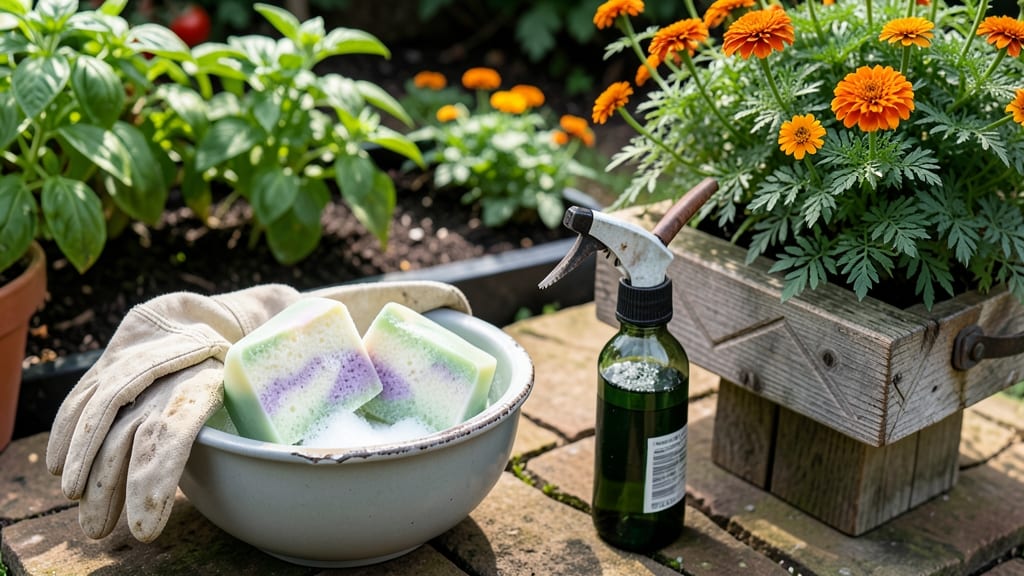
Irish Spring soap in the garden can control pests and clean tools when used correctly, but improper dilution risks harming plants. A diluted solution works as an insecticide, while undiluted soap damages foliage and beneficial soil organisms.
Irish Spring’s unique blend of oils and surfactants makes it effective against soft-bodied pests like aphids and mites by disrupting their protective layers. 🔥 The key is dilution—mixing 1-2 tablespoons per gallon of water creates a safe spray that won’t scorch leaves.
For tools, a small amount of undiluted soap on a damp cloth works wonders, but never apply it directly to soil or delicate plants like blueberries, which thrive in acidic conditions that soap disrupts.
Herbs and tomatoes, however, handle the diluted spray beautifully, making it a go-to for organic gardeners. Always test on a small leaf area first, and avoid spraying during peak sun hours to prevent leaf burn.
The soap’s greasy residue also helps repel pests when applied as a preventive barrier on plant stems.
💡 In This Article
- How Irish Spring Soap Works as a Natural Insecticide
- Safe Garden Applications and Plant-Specific Precautions
How Irish Spring soap works as a natural insecticide
Irish Spring soap's pest-fighting power comes from its unique blend of fatty acids and surfactants, which act like tiny oil droplets that cling to insect bodies. These compounds disrupt the waxy outer layer of soft-bodied pests like aphids and spider mites, causing dehydration and death within hours.
The soap's glycerin content also helps break down the pests' protective coatings, making it particularly effective against clusters of insects on plant leaves. 🔥 Unlike chemical pesticides, this method targets only the pests while leaving beneficial insects like ladybugs largely unharmed.
The effectiveness varies by pest type: aphids and whiteflies are especially vulnerable because their delicate bodies can't withstand the soap's emulsifying action. For tougher pests like beetles, you'll need to increase the concentration slightly (up to 3 tablespoons per gallon) and apply directly to the insects.
The key chemical mechanism involves the soap's amphiphilic molecules—one end attracts water while the other repels it, creating a solution that penetrates insect cuticles but leaves plant surfaces mostly intact when properly diluted.
Dilution ratios matter because concentration directly impacts plant safety. A 1-2 tablespoon per gallon mixture creates a mild enough solution to kill pests without stripping essential oils from plant leaves.
At higher concentrations, the soap's alkaline pH (around 9.5) can damage cell membranes in foliage, leading to brown spots and stunted growth. Always shake the solution well before spraying, as the oils and surfactants separate when left standing, reducing effectiveness by up to 30%.
Temperature also plays a role in performance. Applying the soap spray when temperatures are between 60-85°F ensures optimal evaporation and penetration. Cooler temperatures slow the process, while hotter days can cause the solution to dry too quickly, leaving a residue that may clog plant pores.
For best results, spray in the early morning or late afternoon when humidity is higher and UV exposure is minimal, protecting both your plants and the beneficial insects that pollinate your garden.
What most gardeners don't realize is that Irish Spring's scent isn't just for show—it contains eucalyptus oil, which acts as a secondary repellent. The combined effect of the soap's chemical action and the oil's aroma creates a double barrier against pests.
However, this same scent can attract some beneficial insects if overused, so moderation is key. The soap's greasy residue also helps deter future infestations when applied as a preventive barrier on plant stems, creating a physical barrier that pests avoid.
For comparison, commercial insecticidal soaps typically contain 17-30% potassium salts of fatty acids, while Irish Spring's homemade version provides about 10-15% through its oil blend. This makes it slightly less potent but also safer for organic gardening standards.
The trade-off is that you may need to apply it more frequently—every 5-7 days during active pest seasons—to maintain effectiveness.