
Fertilization
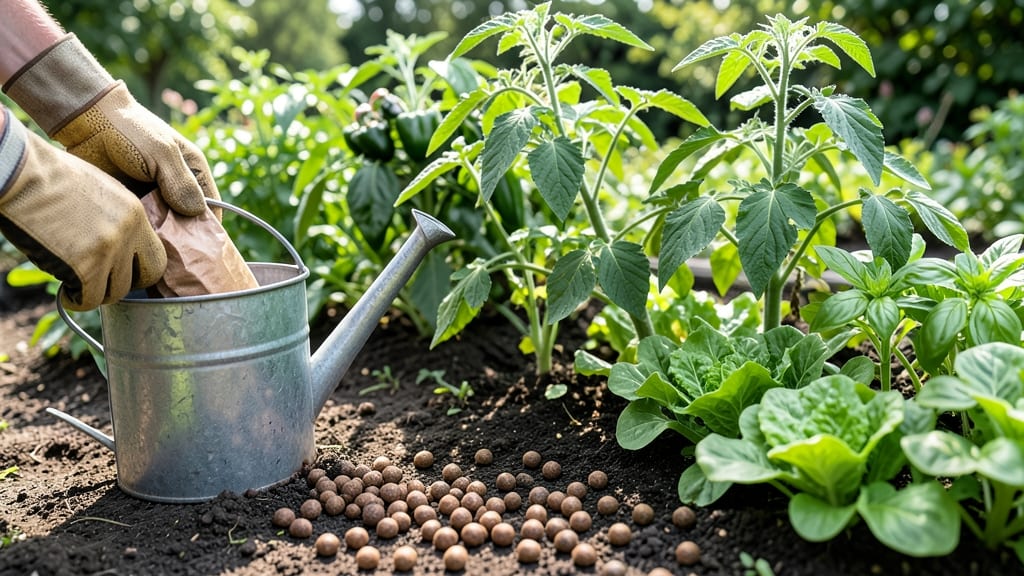
Fertilizing your garden at the wrong time can leave your plants starving for nutrients—or worse, burned by overfeeding. The key is knowing exactly when to feed based on your garden’s growth cycle and the season’s demands.
Timing matters more than you think. A light spring feeding jumpstarts root growth, while summer’s heat demands more frequent feeding to keep plants thriving. Miss these windows, and you’ll end up with weak stems, sparse blooms, or stunted harvests—not to mention wasted fertilizer.
In this guide, I’ll break down the science-backed schedule for spring and fall fertilization, so you can feed your garden just when it needs it most. Whether you’re growing vegetables, flowers, or lawns, you’ll learn how to adjust timing for different plant types and avoid costly mistakes.
Ready to unlock healthier plants and bigger yields? Let’s dive into the perfect fertilizing calendar for your garden’s success.
The science-backed fertilizing schedule for spring and fall gardens
Fertilizing your garden at the right time isn't just about following a calendar—it's about syncing with your plants' biological rhythms. In spring, when soil temperatures rise above 50°F (10°C), microbial activity awakens, breaking down organic matter into plant-accessible nutrients.
This is when roots surge with growth, creating a perfect window for early-season fertilization to fuel foliage and root expansion.
Fall fertilization, often overlooked, is equally critical. As days shorten and temperatures dip, plants shift energy from growth to root development and energy storage for winter.
A light feeding in late summer or early fall—when soil is still warm but growth slows—helps strengthen roots and stores nutrients for next year's growth.
Here’s the science behind why these seasons matter most: Soil microbes thrive between 50°F and 85°F (10°C–30°C), but their activity peaks in the 60°F–75°F (15°C–24°C) range. This means spring and fall offer the sweet spot for nutrient availability, while summer heat can stress plants with too-rapid nutrient uptake.
| Season | Ideal Time | Soil Temp | Plant Goal | Fertilizer Type |
|---|---|---|---|---|
| Spring | Early April–May | 50°F–65°F (10°C–18°C) | Root/shoot growth | Balanced (10-10-10) |
| Spring | June (after harvest) | 65°F–75°F (18°C–24°C) | Rebuild nutrients | Slow-release |
| Fall | Late August–September | 60°F–70°F (15°C–21°C) | Root hardening | Low-nitrogen |
| Fall | October (before frost) | 45°F–55°F (7°C–13°C) | Winter prep | Compost/manure |
For cool-season plants like lettuce, spinach, and broccoli, spring fertilization kicks off growth when soil warms. These plants thrive in 55°F–75°F (13°C–24°C) soil and need nutrients early to establish strong roots before summer heat arrives.
Warm-season plants—think tomatoes, peppers, and basil—should get their first feeding 2–3 weeks after transplanting, when soil hits 60°F+ (15°C+). This timing aligns with their rapid growth phase, ensuring they don’t waste energy on root development when they’re ready to bolt upward.
Fall fertilization for perennials and bulbs focuses on phosphorus and potassium to strengthen roots and store energy. Apply a low-nitrogen fertilizer (like 5-10-10) in late summer to avoid encouraging tender new growth before frost. This helps plants survive winter and rebound faster in spring.
Regional adjustments matter! In warmer climates (Zones 8–10), fall fertilization can extend into November, while colder zones (3–6) may need to wrap up by early October. Always check your last frost date and soil temperature—never fertilize when soil is below 50°F (10°C).
Pro tip: Use a soil thermometer to monitor temperatures. Microbes and roots are your allies—feed them when they’re hungry, not when they’re hibernating. A well-timed fertilizer boost in spring and fall can mean the difference between mediocre plants and a thriving garden. 🌱
How to adjust fertilizing timing for different plant types
Not all plants thrive on the same fertilization schedule. Your leafy greens need different nutrients than your fruiting tomatoes, and your lawn has entirely different timing needs than your ornamental trees.
Understanding these distinctions ensures you're not wasting fertilizer—or worse, harming your plants with improper timing. Let's break down the best fertilization windows for each major plant category in your garden.
For most vegetables, timing is everything—especially when it comes to leafy greens versus fruiting plants.
Leafy greens like spinach and kale benefit from light, nitrogen-rich feeds early in the season to encourage lush foliage, while fruiting plants like tomatoes and peppers need a balanced NPK ratio (like 10-10-10) when they start flowering.
Meanwhile, your lawn might need a slow-release fertilizer in early spring and late summer, while trees and shrubs often do best with a deep root feed in early spring before new growth begins.
Vegetables: Feed leafy greens (e.g., lettuce, spinach) with high-nitrogen fertilizer at planting and again every 4-6 weeks. For fruiting plants (e.g., tomatoes, peppers), switch to a balanced or phosphorus-heavy feed when flowers appear. Avoid fertilizing within 2 weeks of harvest.
Flowers: Apply a low-nitrogen, high-phosphorus fertilizer (e.g., 5-10-10) when buds form. Annuals like marigolds need feeding every 3-4 weeks, while perennials (e.g., daylilies) benefit from a spring and fall feed.
Lawns: Fertilize early spring (as grass greens up) and late summer (for fall root growth). Use a slow-release fertilizer to avoid runoff. Cool-season grasses (e.g., fescue) need 4 feedings per year, while warm-season grasses (e.g., Bermuda) thrive with 2-3 feedings.
Trees and Shrubs: Feed young trees with a balanced fertilizer in early spring and again in mid-summer. Established trees need feeding every 2-3 years, ideally in late winter or early spring before buds break. Evergreens benefit from a light feed in early fall to harden off for winter.
Bulbs: Fertilize spring-blooming bulbs (e.g., daffodils) with a low-nitrogen feed after flowering but before foliage dies back. Fall-planted bulbs (e.g., tulips) need no fertilizer until next spring when shoots emerge. Avoid fertilizing dormant bulbs in winter.
One of the biggest mistakes I see is treating all plants the same. For example, herbs like basil can get leggy and bitter if over-fertilized, while root vegetables like carrots need minimal feeding—too much nitrogen will make them forked and woody.
Always match your fertilizer to the plant's growth stage and nutrient needs. For instance, phosphorus-heavy fertilizers (like 10-20-10) are perfect for flowering plants but will stunt leafy greens.
Syncing fertilization with your planting schedule is key. If you're direct-seeding vegetables like beans or peas, a light feed at planting gives them a head start. For transplanted seedlings, wait 1-2 weeks to let roots establish before fertilizing.
And remember: slow-release fertilizers are your best friend for container gardens or small spaces, as they reduce the risk of overfeeding and runoff.
Don’t forget about seasonal exceptions. Evergreens and broadleaf evergreens (like rhododendrons) need a light feed in early fall to prepare for winter, while bulbs like daffodils should never be fertilized after their foliage yellows—this signals the bulb to store energy for next year.
Even your houseplants have different timing needs: most thrive with a diluted feed every 4-6 weeks in spring and summer, but skip fertilizing in winter when growth slows.
Pro tip: Always water deeply before and after fertilizing to help nutrients reach the roots and prevent fertilizer burn.
And if you're unsure about your soil’s needs, a simple soil test (available at garden centers) can tell you whether you need more nitrogen, phosphorus, or potassium—or if your soil is already nutrient-rich. Timing isn’t just about when you fertilize; it’s also about how you do it.