
Tools
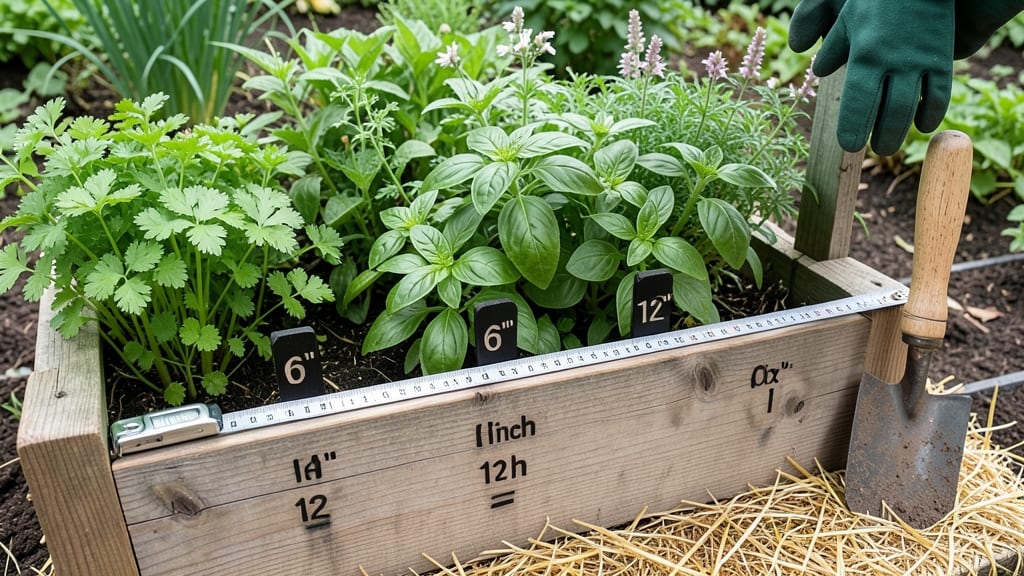
Determining the ideal garden bed height means aiming for 6 to 12 inches to balance drainage, root growth, and soil health while minimizing erosion and weed pressure. This range also makes gardening more accessible and reduces soil compaction.
This height range creates the perfect balance between soil depth and aeration. 🌱 Shallow beds (under 6 inches) may limit root development, while taller beds (over 12 inches) can dry out faster and become harder to maintain.
I've found that 8-10 inches works best for most vegetables, giving roots plenty of room while keeping moisture levels ideal. The extra height also makes weeding and harvesting easier on your back!
For containers or small spaces, you can go slightly lower (4-6 inches), but you'll need to monitor moisture more carefully. On the other hand, taller beds (up to 18 inches) work well for perennials or areas with heavy clay soil, though they require more soil volume upfront.
The key is matching your bed height to your specific plants and growing conditions.
💡 In This Article
- How Raised Bed Height Affects Plant Roots and Soil Health
- Choosing the Best Garden Bed Height for Your Plants and Climate
How raised bed height affects plant roots and soil health
The ideal raised bed height—typically 6 to 12 inches—creates an optimal root zone where plants can thrive without competition from weeds or soil compaction.
Roots need space to spread and access nutrients, and this height range provides 12 to 24 inches of soil depth when considering the bed's base and fill.
Shallow beds (under 6 inches) restrict root growth, forcing plants to compete for nutrients in a confined space, while deeper beds (over 12 inches) can dry out faster due to reduced moisture retention. 🌱
Soil aeration is another critical factor. Taller beds improve oxygen flow to roots because the soil isn't compressed by foot traffic or machinery. This aeration boosts microbial activity, which breaks down organic matter into nutrients plants can absorb.
For example, a 10-inch bed allows roots to penetrate 18-24 inches deep, supporting deep-rooted vegetables like carrots or tomatoes, while still maintaining good moisture levels. The extra height also helps regulate soil temperature—warmer in spring and cooler in summer—protecting tender roots from extreme fluctuations.
Drainage is where bed height truly shines. A 6-inch bed drains quickly but may dry out too fast for moisture-loving plants, while a 12-inch bed retains water longer, reducing the need for frequent watering.
The ideal balance depends on your climate: in arid regions, taller beds help retain moisture, whereas in rainy areas, slightly shorter beds prevent waterlogging. The extra height also lifts plants above ground level, reducing erosion from heavy rains and keeping soil from washing away.
Weed suppression is a hidden benefit of taller beds. Weeds struggle to establish in deep, loose soil because their seeds can't easily reach the surface. A 10-inch bed creates a natural barrier, blocking 90% of weed seeds from germinating compared to ground-level planting.
This means less weeding and healthier plants that aren’t competing for sunlight or nutrients. The deeper soil also means fewer disturbances from animals or wind, creating a more stable growing environment.
For accessibility, the height makes a surprising difference. Beds between 8 and 12 inches reduce bending and kneeling, which is especially helpful for people with back or joint issues. The extra elevation also makes it easier to add mulch, compost, or harvest produce without straining.
Over time, this can reduce gardening fatigue and increase enjoyment, making the garden more sustainable for long-term use. 💪
One nuance to consider is soil type. Sandy soils drain too quickly in deep beds, while clay soils can become waterlogged. Amending the soil with compost or organic matter helps balance these extremes, ensuring the bed retains moisture without suffocating roots.
For heavy clay, a 10-inch bed with a mix of sand and compost works best, while sandy soils benefit from a slightly taller bed (12 inches) to hold more water.