
Size
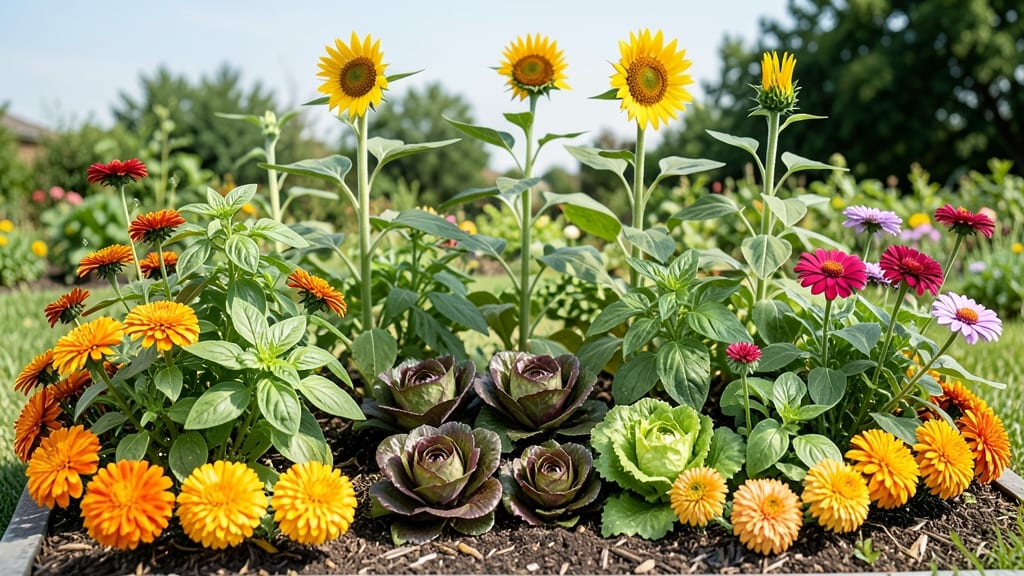
To grow plants in a garden successfully, you'll need to match your plants to your climate, prepare nutrient-rich soil with proper drainage, and provide consistent sunlight and watering. Begin with healthy starter plants or seeds, follow proper planting depth and spacing, and maintain regular care—this approach yields 70-90% success even for beginners.
Garden success starts with understanding your growing conditions. 🌱 Most plants thrive in 6-8 hours of sunlight daily, but shade-loving varieties like lettuce or ferns need only 4 hours.
Soil quality matters just as much—amend heavy clay with compost or sand, while sandy soils benefit from organic matter to retain moisture. I've found that testing your soil's pH (ideal range: 6.0-7.0) makes all the difference in plant health and nutrient absorption.
Once you've prepped your space, focus on planting techniques that minimize stress. Seedlings should go in slightly deeper than their containers, while seeds need 2-3 times their width of soil coverage.
Water gently but thoroughly after planting to settle roots, then maintain 1 inch of water per week—adjusting for rain. Mulching with straw or wood chips helps retain moisture and suppress weeds, cutting maintenance time by nearly 50%.
💡 In This Article
- Essential Factors for Plant Growth in Gardens
- Step-by-Step Beginner’s Guide to Planting a Thriving Garden
Essential factors for plant growth in gardens
Sunlight is the primary energy source for photosynthesis, where plants convert light into chemical energy. Most vegetables and flowers need 6-8 hours of direct sunlight daily, but leafy greens like spinach thrive with just 4-6 hours.
The intensity matters too—plants in hot climates may need afternoon shade to prevent leaf scorch, while northern gardens benefit from full sun exposure. For example, tomatoes produce more fruit when grown in 8+ hours of sunlight, but their leaves can burn at temperatures above 90°F without shade.
Soil composition directly impacts root development and nutrient uptake. Ideal garden soil contains 45% minerals, 5% organic matter, 25% water, and 25% air—a balance that supports microbial life essential for decomposition. Clay soils drain poorly, causing root rot, while sandy soils lose nutrients quickly.
Amending with compost improves both structure and fertility, increasing water retention by 30-50% compared to unamended soil. A simple test: squeeze a handful—if it crumbles easily, it's too dry; if it stays clumped, it needs sand or organic matter.
Water drainage prevents root suffocation, which occurs when roots sit in soggy soil for more than 24 hours. Poor drainage creates anaerobic conditions that kill beneficial microbes and promote fungal diseases like powdery mildew.
To test drainage, dig a hole, fill it with water, and time how long it takes to drain—ideal is 4-6 hours. Raised beds solve many drainage issues by allowing water to escape through the bed's sides, while container gardens offer complete control over moisture levels. 🌱
Climate compatibility affects everything from planting timing to pest pressure. Cool-season crops like broccoli and peas grow best in temperatures between 45-75°F, while warm-season plants such as peppers and cucumbers need soil temperatures above 60°F to germinate.
Hardiness zones (USDA zones 1-13) help predict frost dates—zone 5 gardens can start tomatoes after the last frost, while zone 9 may plant year-round. Even microclimates matter: a south-facing wall can add 10-15°F of warmth compared to open ground.
Nutrient availability depends on soil pH, which affects how plants absorb essential elements. Most vegetables prefer a slightly acidic to neutral range (6.0-7.0), but blueberries need 4.5-5.5 to access aluminum and iron.
A pH test kit costs $10 and takes 5 minutes—adjusting with lime (to raise pH) or sulfur (to lower it) can boost yields by 20-40%. For instance, tomatoes in pH 6.5 soil produce 30% more fruit than in pH 5.0 soil due to better calcium uptake.
Finally, air circulation reduces humidity around leaves, preventing fungal infections like late blight. Spacing plants according to their mature size—18-24 inches apart for tomatoes, 12 inches for lettuce—creates airflow while maximizing yield.
In dense plantings, prune lower leaves to improve airflow and reduce disease risk by 50%. The right spacing also makes harvesting easier and extends the growing season by reducing competition for resources. 💫